Dermatology Glossary
Your comprehensive guide to dermatology terms, skin conditions, and treatments. Learn about common skin issues and their solutions.
Showing 177 of 177 terms
Featured Terms
Skin Conditions
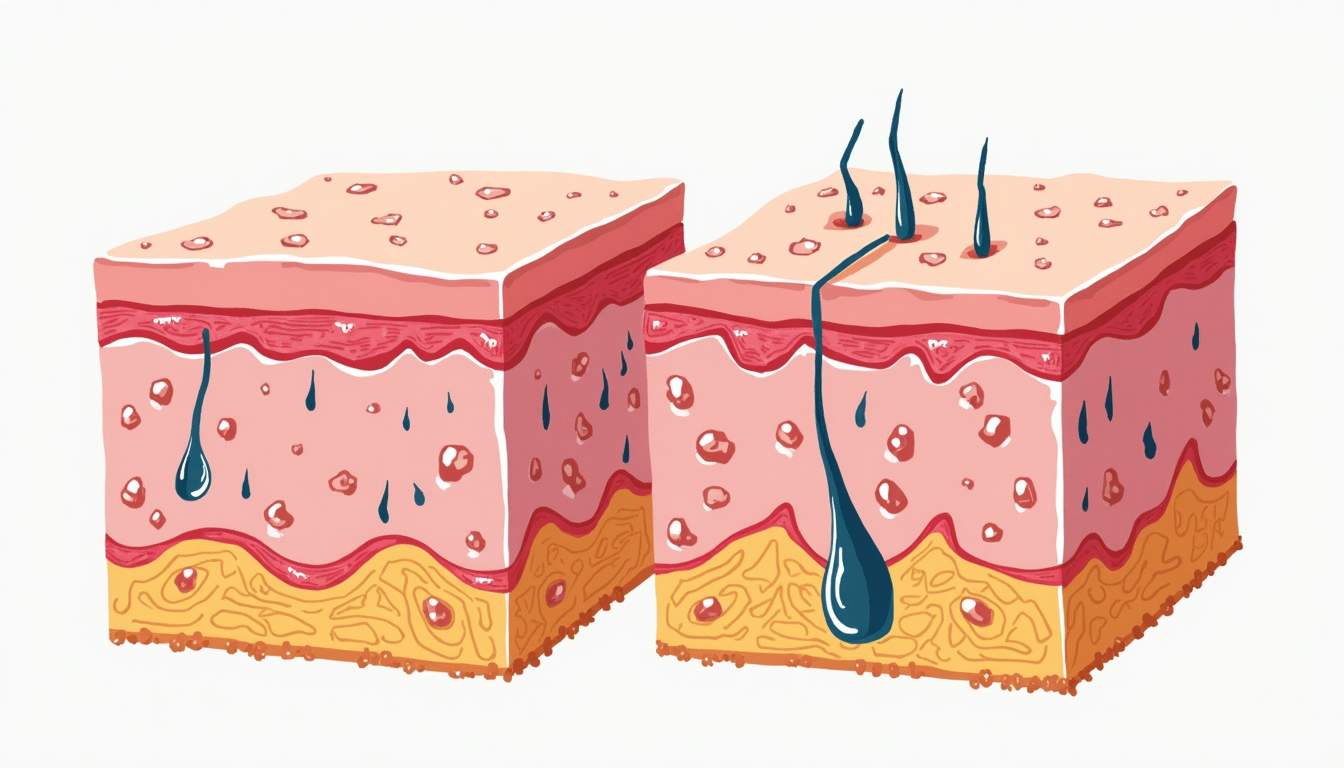
Permanent skin changes—such as depressed (atrophic), raised (hypertrophic or keloid), and pigmented marks—that result from inflammation and tissue damage caused by acne.
Updated Read More
Skin Conditions
A common inflammatory skin condition characterized by red, greasy, scaly patches and flaking in areas rich in oil glands, such as the scalp, face, and chest.
Updated Read More
Skin Conditions
Skin sensitivity is an increased tendency of the skin to react to environmental, chemical, or physical triggers with symptoms like redness, itching, burning, or stinging.
Updated Read More
Procedures
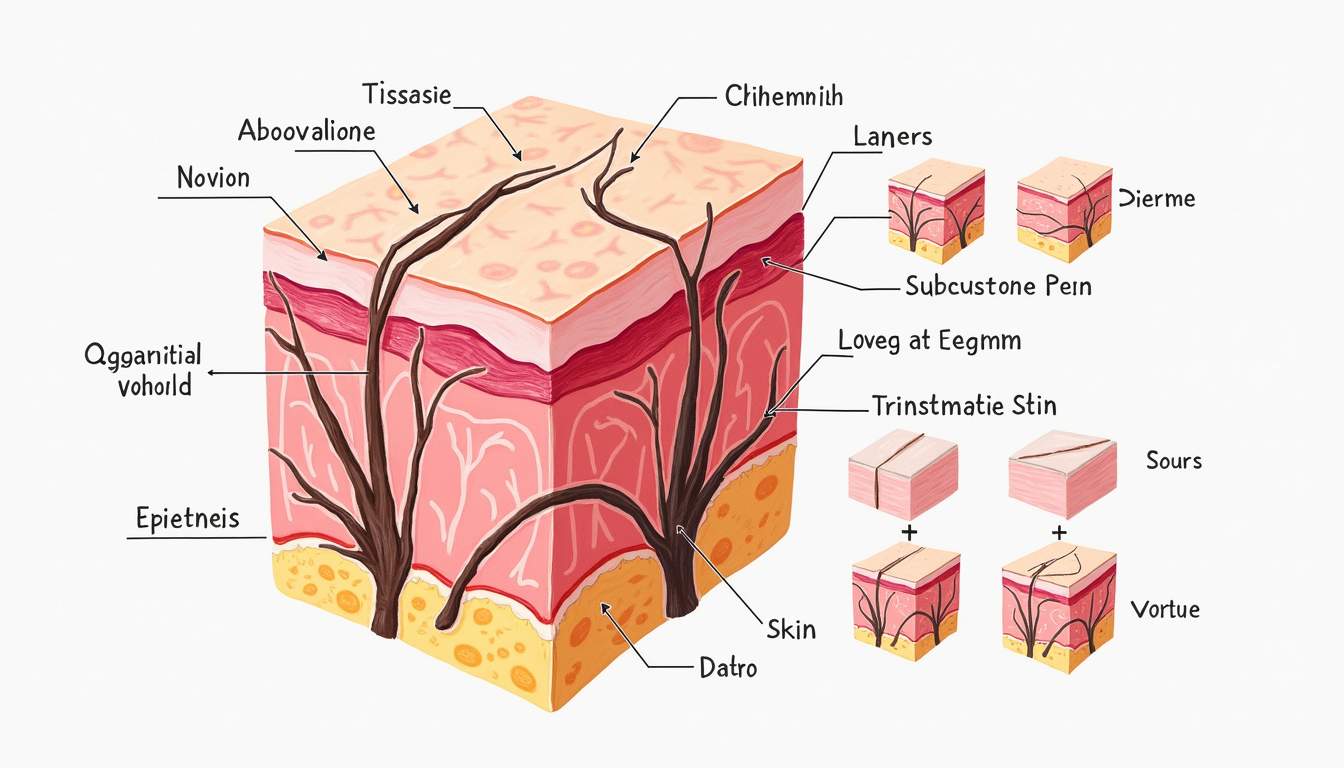
Skin transplantation is a surgical procedure that replaces damaged or missing skin with grafts or engineered skin to restore coverage, function, and appearance.
Updated Read More

Procedures
A minimally invasive cosmetic procedure that exfoliates and resurfaces the skin using fine crystals or a diamond-tipped wand to remove dead skin cells and stimulate collagen production.
Updated Read More

A minimally invasive hair restoration technique in which individual follicular units are harvested from a donor area and transplanted to thinning or balding sites.
Updated Read More
All Terms
Skin Conditions
Permanent skin changes—such as depressed (atrophic), raised (hypertrophic or keloid), and pigmented marks—that result from inflammation and tissue damage caused by acne.
Skin Conditions
Learn More →Skin Conditions
A common inflammatory skin condition characterized by red, greasy, scaly patches and flaking in areas rich in oil glands, such as the scalp, face, and chest.
Skin Conditions
Learn More →Skin Conditions
Skin sensitivity is an increased tendency of the skin to react to environmental, chemical, or physical triggers with symptoms like redness, itching, burning, or stinging.
Skin Conditions
Learn More →Procedures
Skin transplantation is a surgical procedure that replaces damaged or missing skin with grafts or engineered skin to restore coverage, function, and appearance.
Procedures
Learn More →Procedures
A minimally invasive cosmetic procedure that exfoliates and resurfaces the skin using fine crystals or a diamond-tipped wand to remove dead skin cells and stimulate collagen production.
Procedures
Learn More →A minimally invasive hair restoration technique in which individual follicular units are harvested from a donor area and transplanted to thinning or balding sites.
Procedures
Learn More →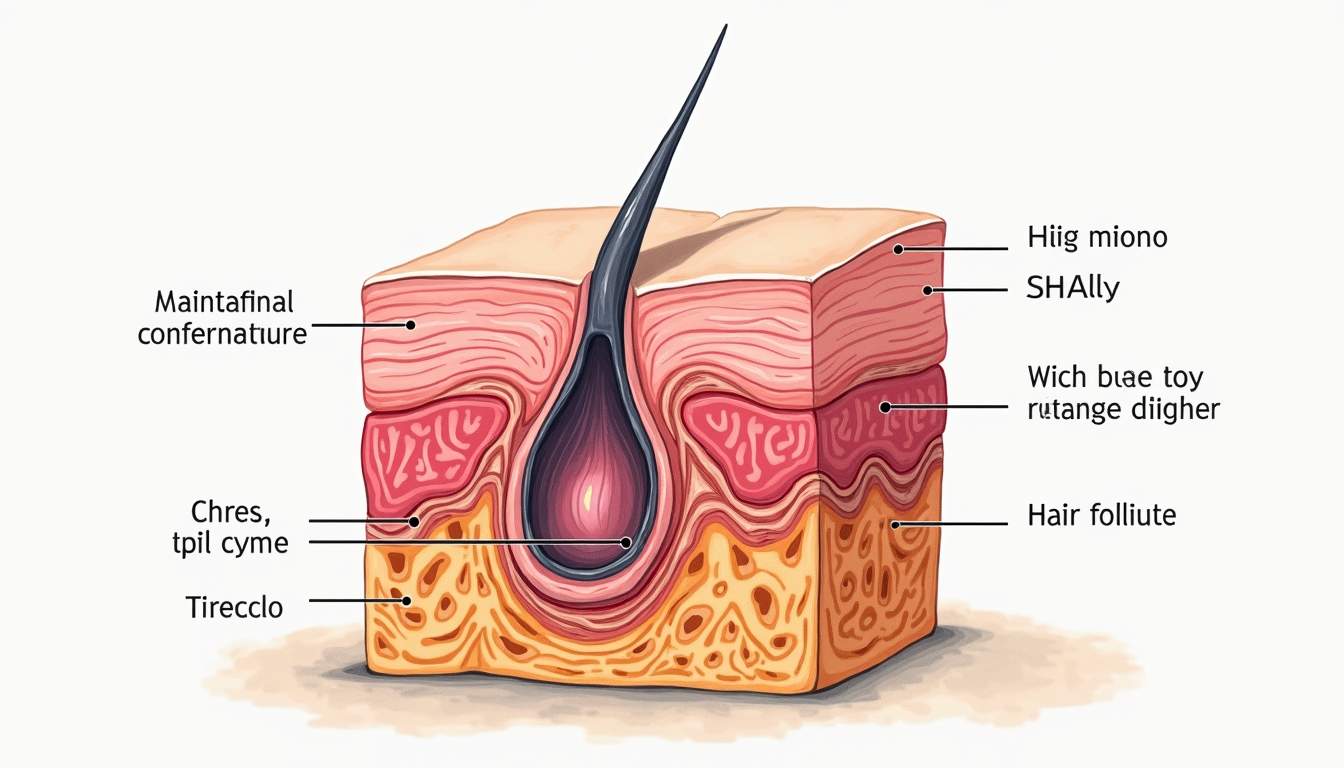
Skin Conditions
A benign, slow-growing cyst that forms from hair follicle epithelium—most often on the scalp—filled with keratin and typically presenting as a firm, smooth, painless lump.
Skin Conditions
Learn More →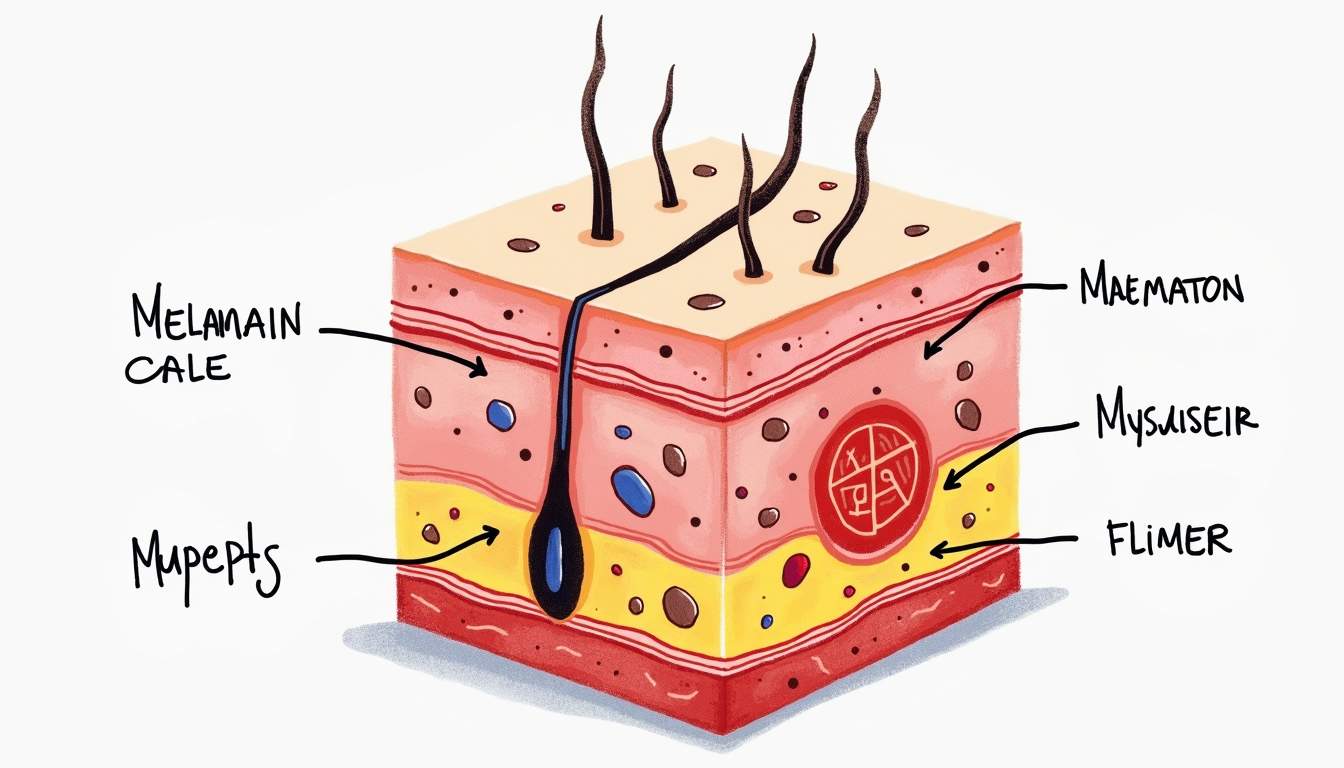
Skin Conditions
A reduction or loss of skin, hair, or mucous membrane color caused by decreased melanin production or fewer melanocytes, resulting in lighter patches.
Skin Conditions
Learn More →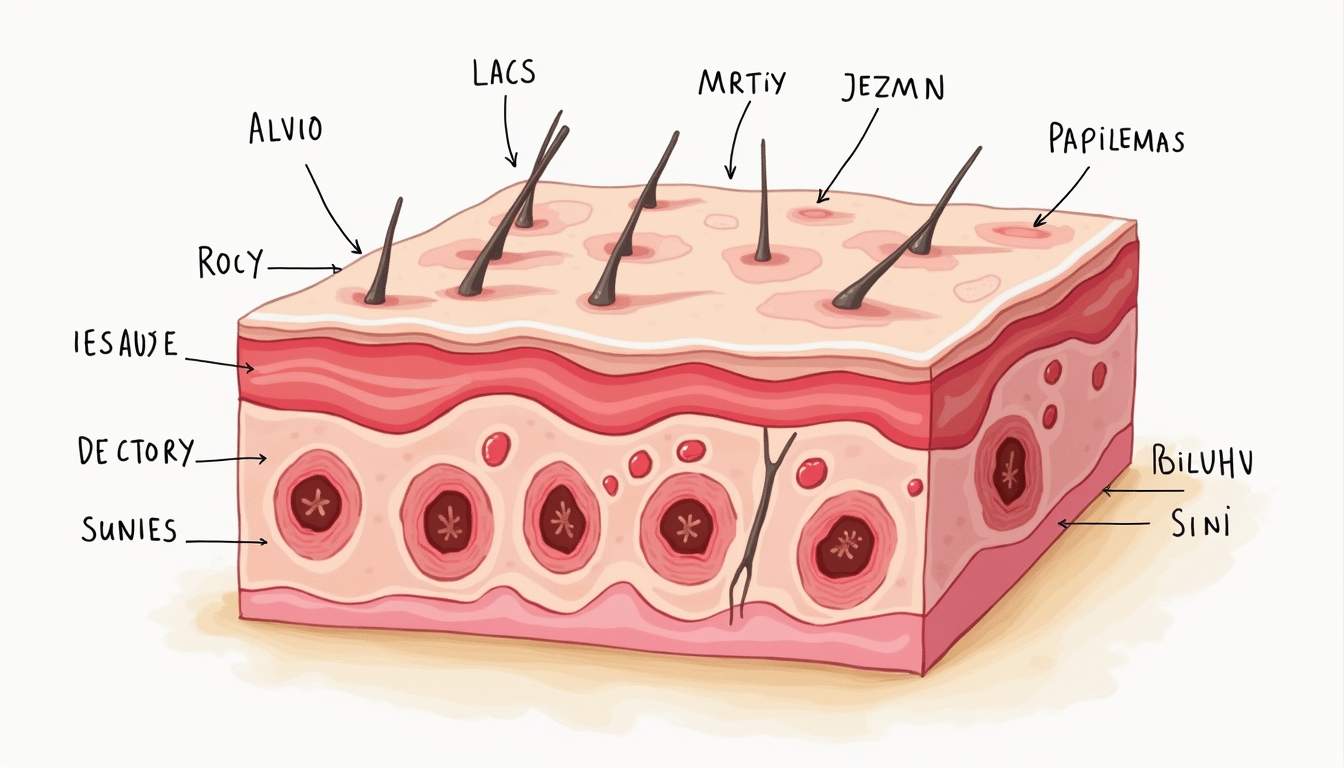
Skin Conditions
A benign epithelial tumor characterized by finger-like, wart-like exophytic growths caused by hyperproliferation of squamous or transitional epithelium, often associated with papillomavirus infection.
Skin Conditions
Learn More →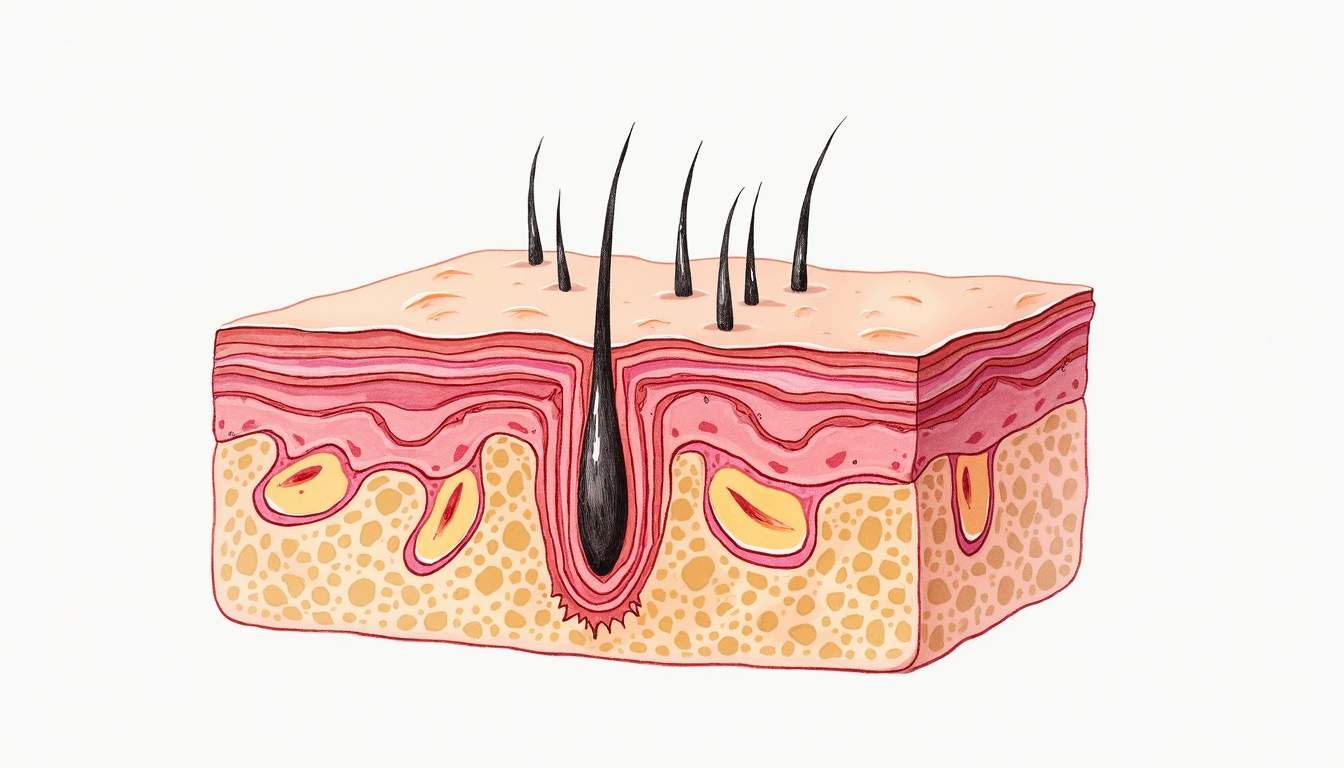
Skin Conditions
Small, finger-like projections of the dermis that extend into the epidermis, increasing surface area for nutrient exchange, housing capillaries and nerve endings, and contributing to skin strength and fingerprint formation.
Skin Conditions
Learn More →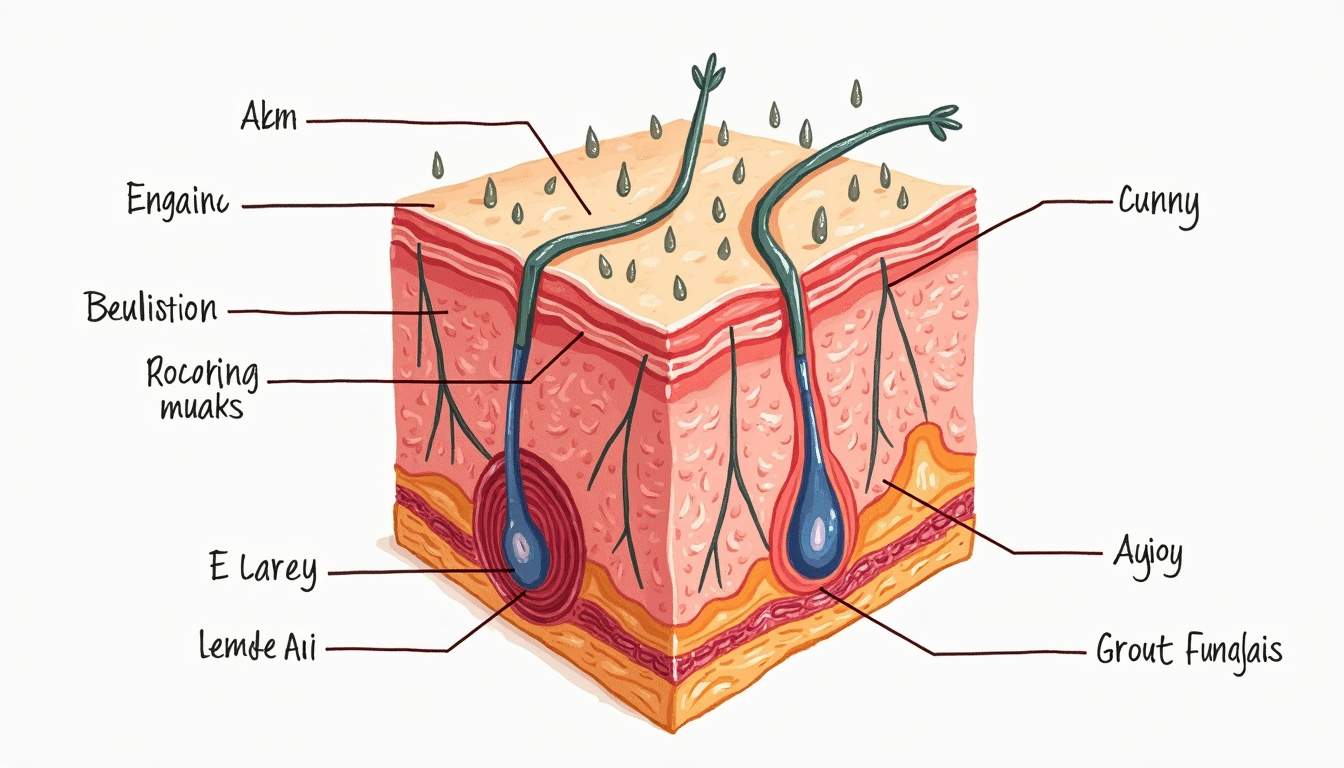
Skin Conditions
Infections caused by fungi that can affect the skin, nails, mucous membranes, and internal organs, ranging from mild superficial conditions to severe systemic disease.
Skin Conditions
Learn More →
Autoimmune Conditions
A chronic autoimmune skin disorder characterized by the loss of melanocytes, leading to progressive, well-defined white patches of depigmentation.
Autoimmune Conditions
Learn More →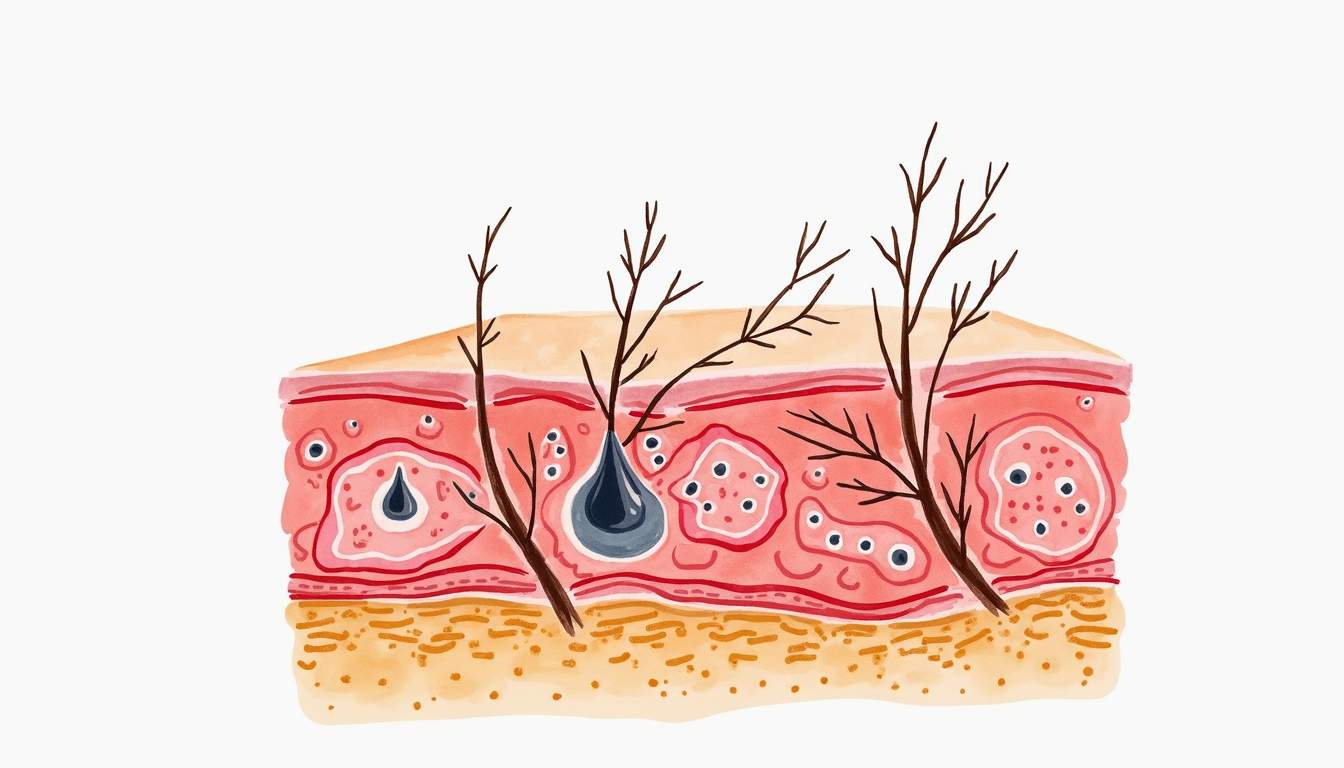
Skin Conditions
A chronic, itchy inflammatory skin condition—often beginning in childhood—characterized by dry, eczematous lesions and driven by genetic, immune, and environmental factors, frequently associated with other allergic diseases.
Skin Conditions
Learn More →
Procedures
A minimally invasive medical procedure that uses extreme cold, typically liquid nitrogen or argon gas, to freeze and destroy abnormal or diseased tissue for diagnostic or therapeutic purposes.
Procedures
Learn More →
Treatments
A rating on sunscreens that indicates how much longer protected skin can be exposed to UVB radiation before burning compared to unprotected skin.
Treatments
Learn More →
Skin Conditions
Sebaceous glands are microscopic skin appendages that produce sebum, an oily substance that lubricates and protects the skin and hair.
Skin Conditions
Learn More →
Skin Conditions
A natural oily substance produced by sebaceous glands that lubricates and protects the skin and hair but can contribute to pore clogging and acne when overproduced.
Skin Conditions
Learn More →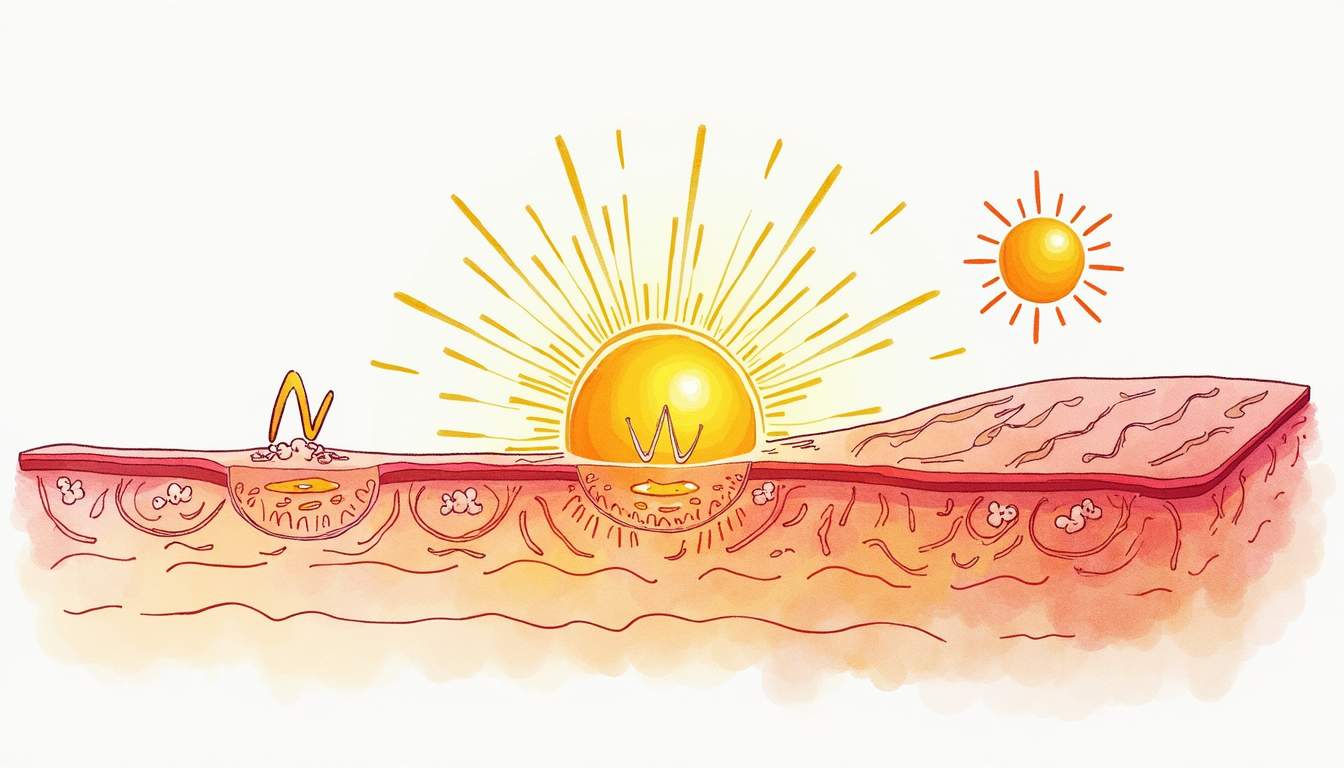
Skin Conditions
Ultraviolet (UV) radiation is a form of electromagnetic radiation with wavelengths shorter than visible light, produced by the sun and artificial sources, that can affect biological tissues, cause chemical reactions, and degrade materials.
Skin Conditions
Learn More →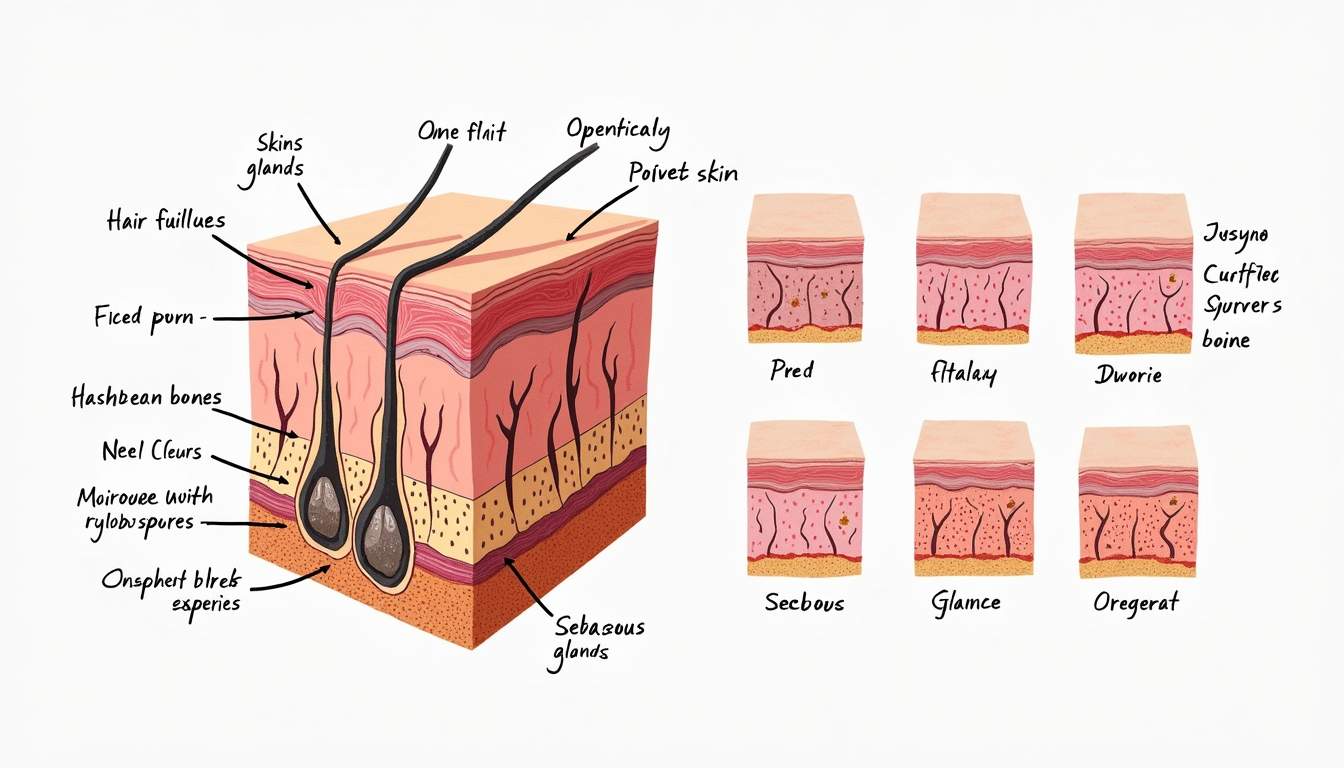
Skin Conditions
The systematic examination of the skin's condition, structure, and concerns using visual assessment and diagnostic tools to inform personalized skincare recommendations.
Skin Conditions
Learn More →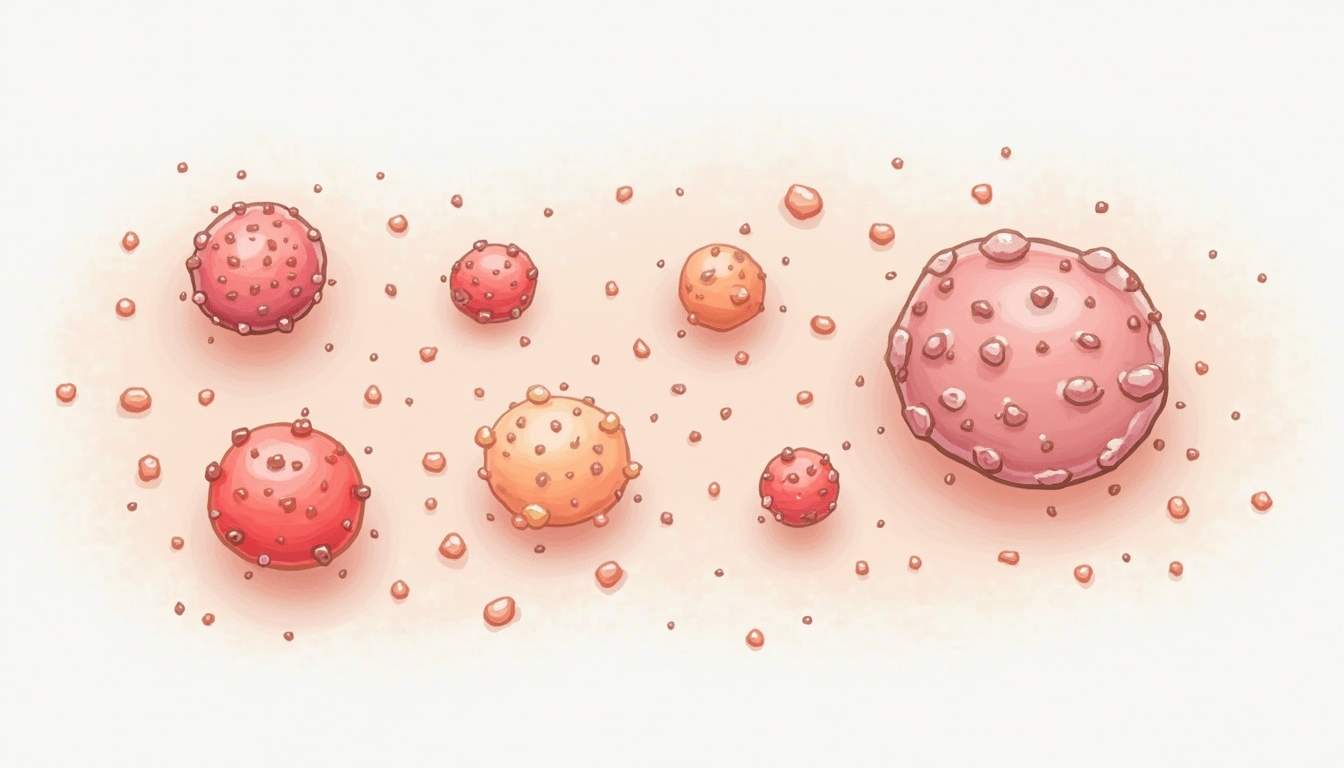
Skin Conditions
A papule is a small, raised, solid skin lesion less than 1 centimeter in diameter, often resulting from localized inflammation, infection, or other dermatologic conditions.
Skin Conditions
Learn More →
Procedures
A minimally invasive cosmetic procedure that uses tiny needles to create controlled micro-injuries in the skin to stimulate collagen production and improve texture and tone.
Procedures
Learn More →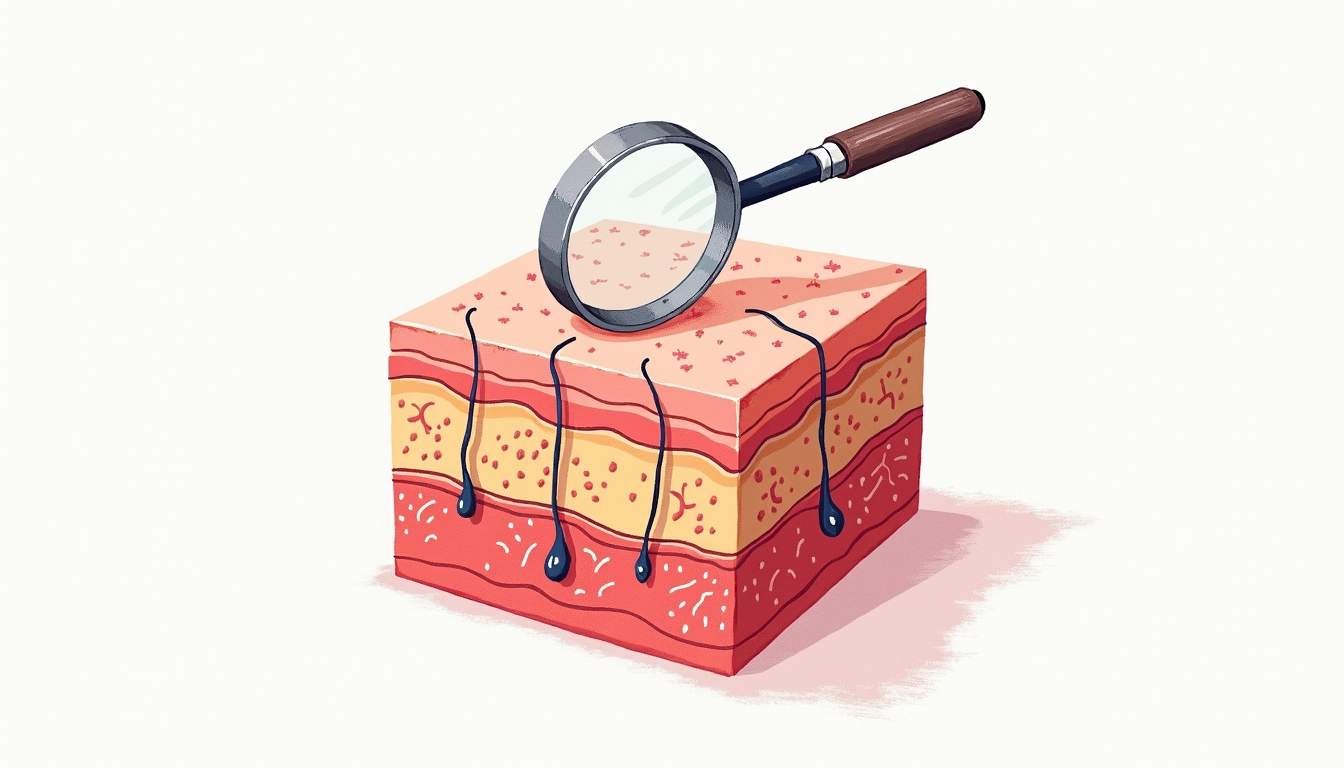
Skin Conditions
Urticaria (hives) is a common skin reaction characterized by itchy, raised welts caused by mast cell–mediated histamine release in response to allergic or nonallergic triggers.
Skin Conditions
Learn More →
Skin Conditions
A temporary reddening of the skin caused by increased blood flow to superficial blood vessels, often triggered by emotions, temperature changes, medications, alcohol, or underlying medical conditions.
Skin Conditions
Learn More →
Procedures
A dermatological procedure that applies chemical solutions to exfoliate and remove damaged outer skin layers, improving texture, tone, and some skin conditions.
Procedures
Learn More →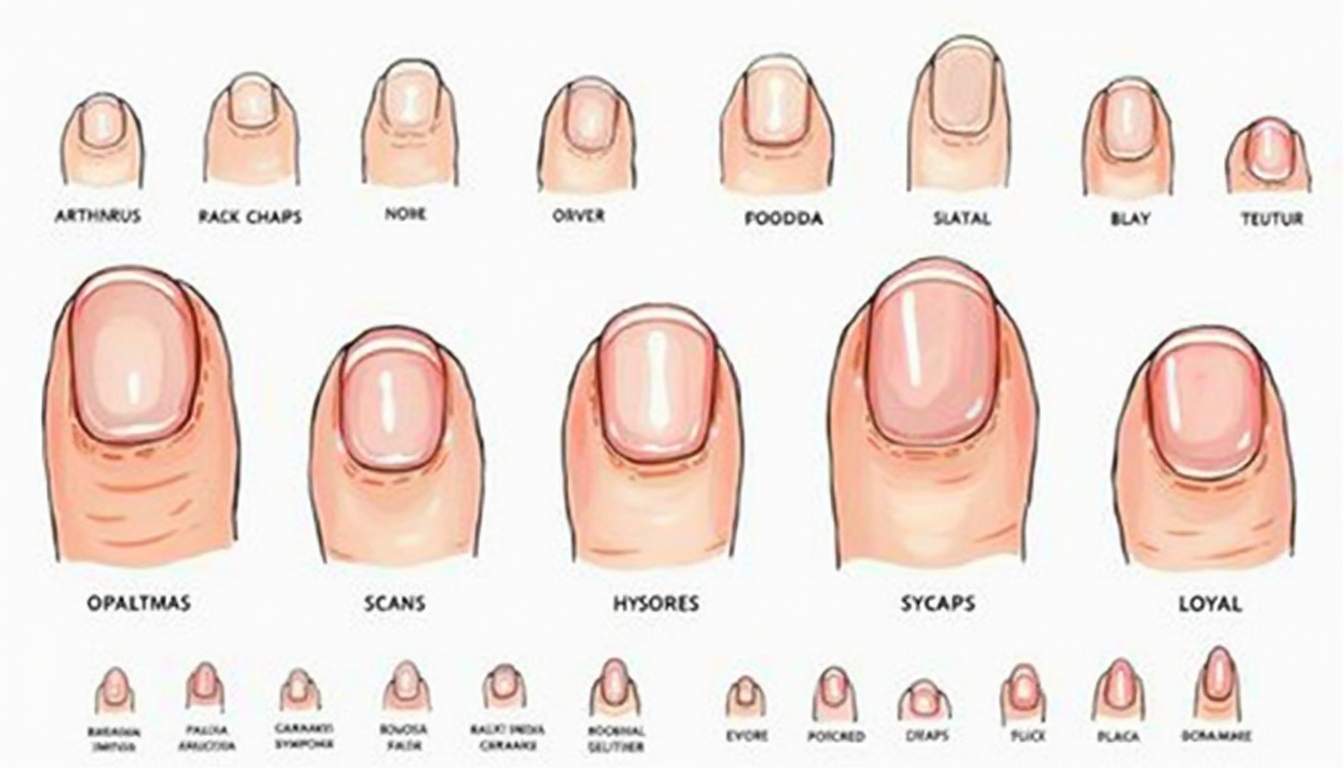
Skin Conditions
A broad overview of conditions affecting the nails, including structural, infectious, inflammatory, and systemic disorders that alter nail appearance, growth, or integrity.
Skin Conditions
Learn More →
Skin Conditions
The study and clinical management of skin changes, diseases, and age-related dermatologic conditions affecting older adults.
Skin Conditions
Learn More →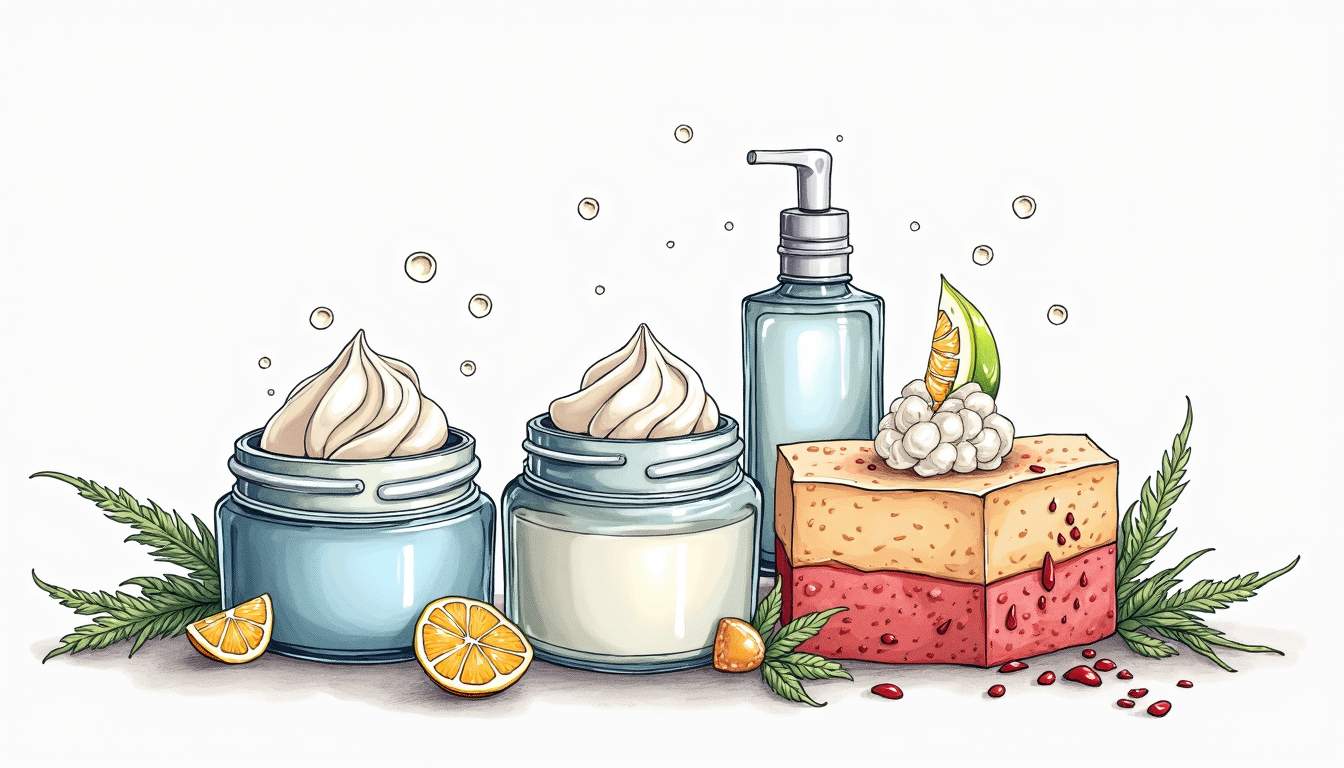
Treatments
Occlusive agents are topical ingredients that form a physical barrier on the skin to prevent transepidermal water loss and lock in moisture.
Treatments
Learn More →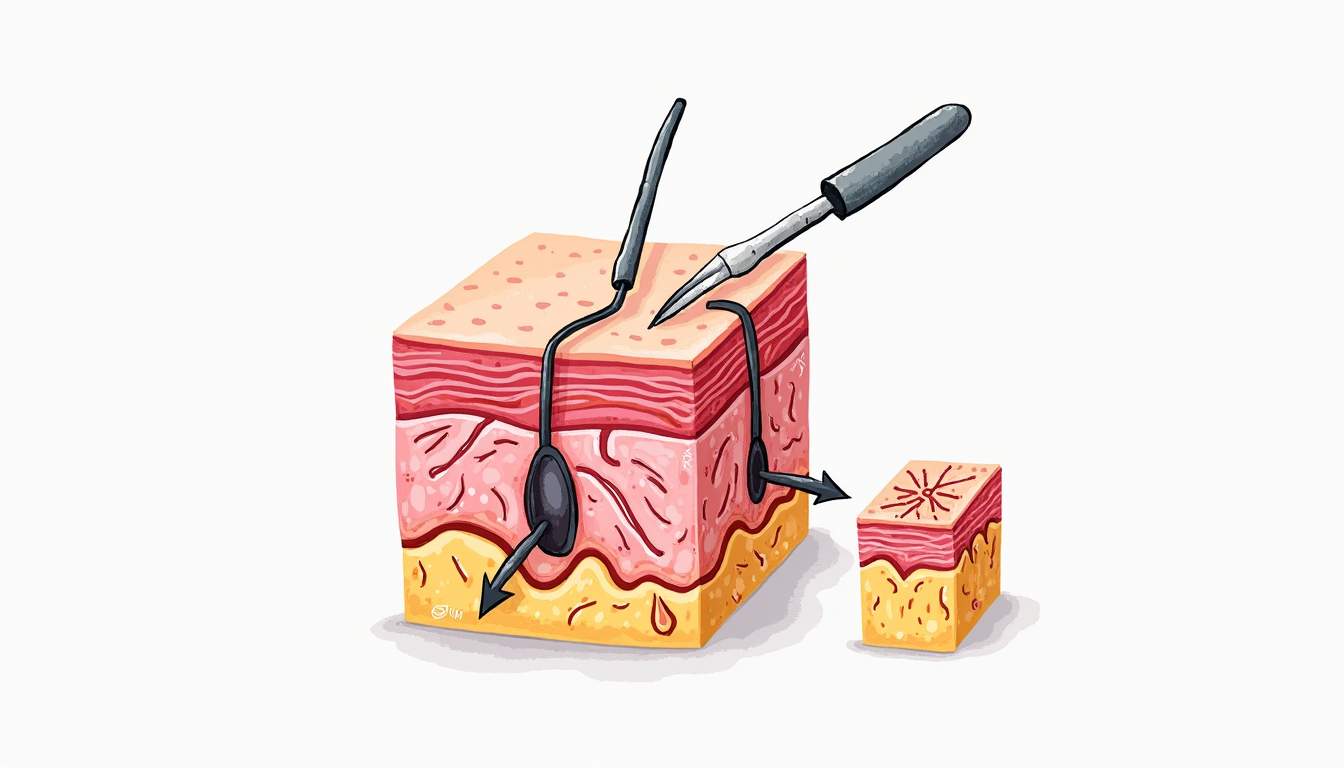
Procedures
A surgical procedure in which healthy skin is removed from one area of the body and transplanted to another to repair wounds, burns, or areas of skin loss.
Procedures
Learn More →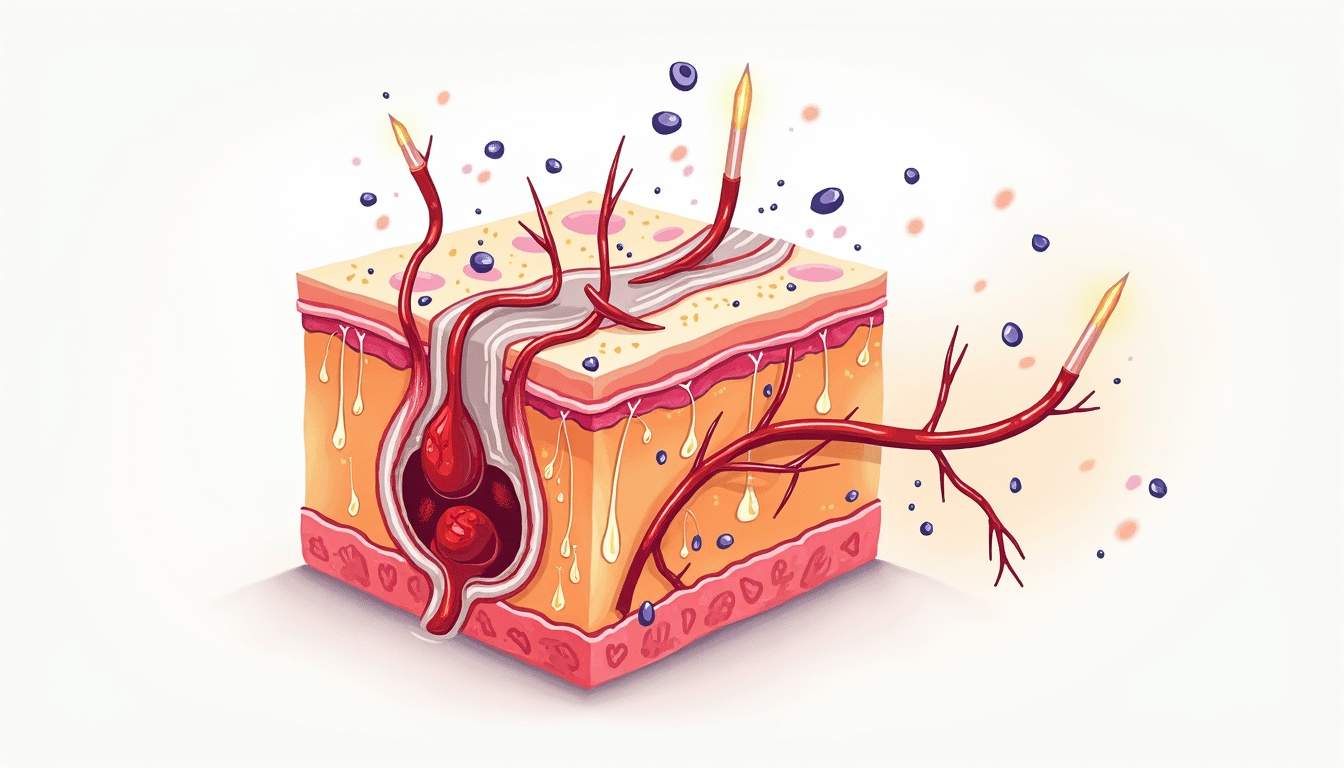
Treatments
Vasodilation is the widening of blood vessels caused by relaxation of vascular smooth muscle, increasing blood flow and often lowering blood pressure.
Treatments
Learn More →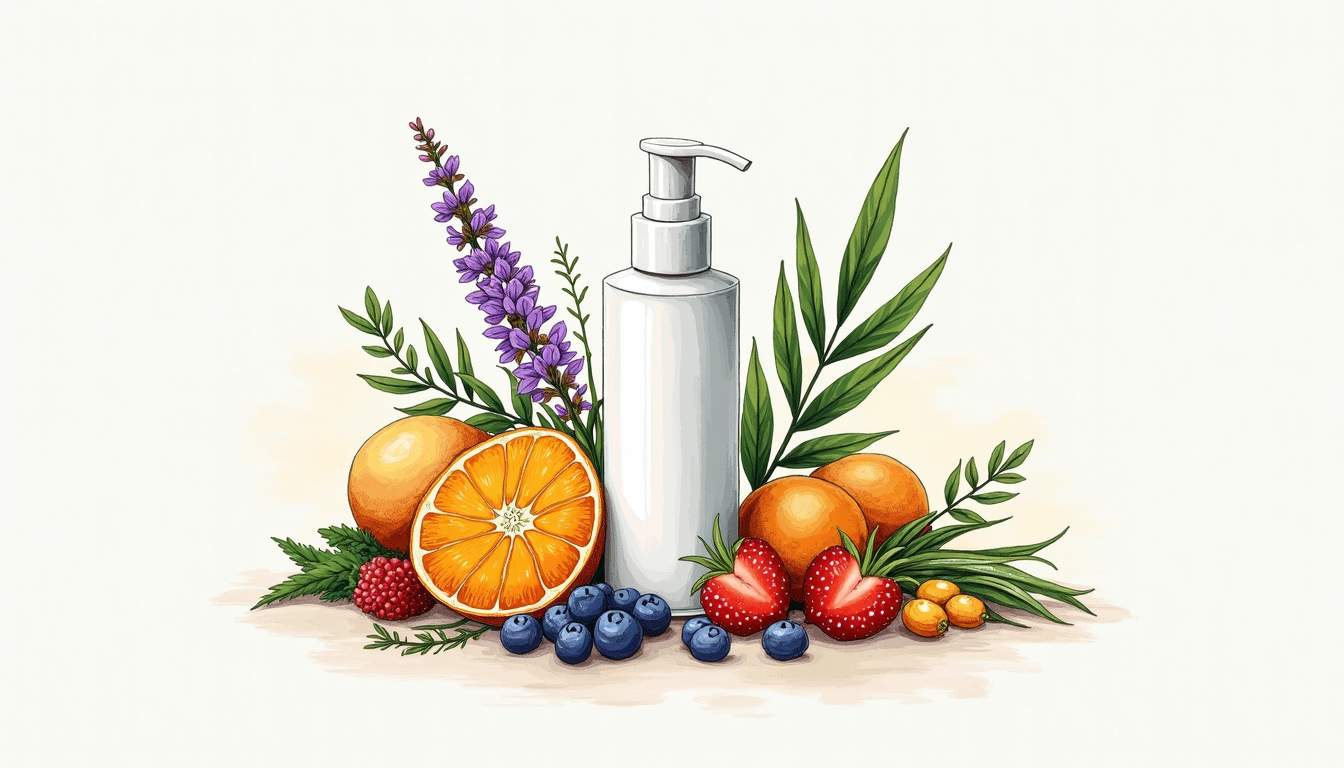
Treatments
Cosmeceuticals are topical products that blend cosmetic and pharmaceutical properties, formulated to enhance appearance while delivering biologically active ingredients for dermatologic benefits.
Treatments
Learn More →
Skin Conditions
Ultraviolet (UV) radiation is a form of electromagnetic radiation with wavelengths shorter than visible light, produced by the sun and artificial sources, that can affect biological tissues, cause chemical reactions, and degrade materials.
Skin Conditions
Learn More →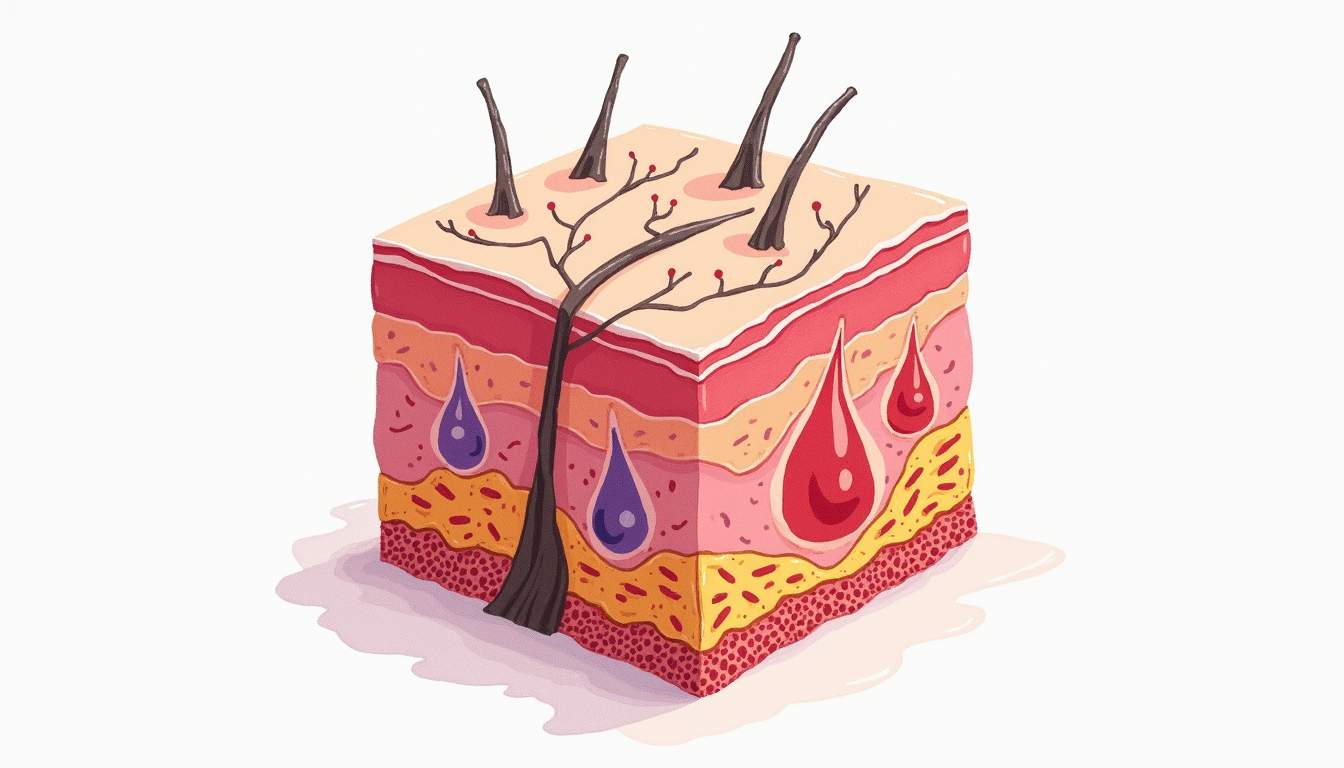
Autoimmune Conditions
A complication of allogeneic hematopoietic stem cell or organ transplantation in which donor immune cells recognize and attack recipient tissues, causing multisystem inflammatory damage that can present as acute or chronic GVHD.
Autoimmune Conditions
Learn More →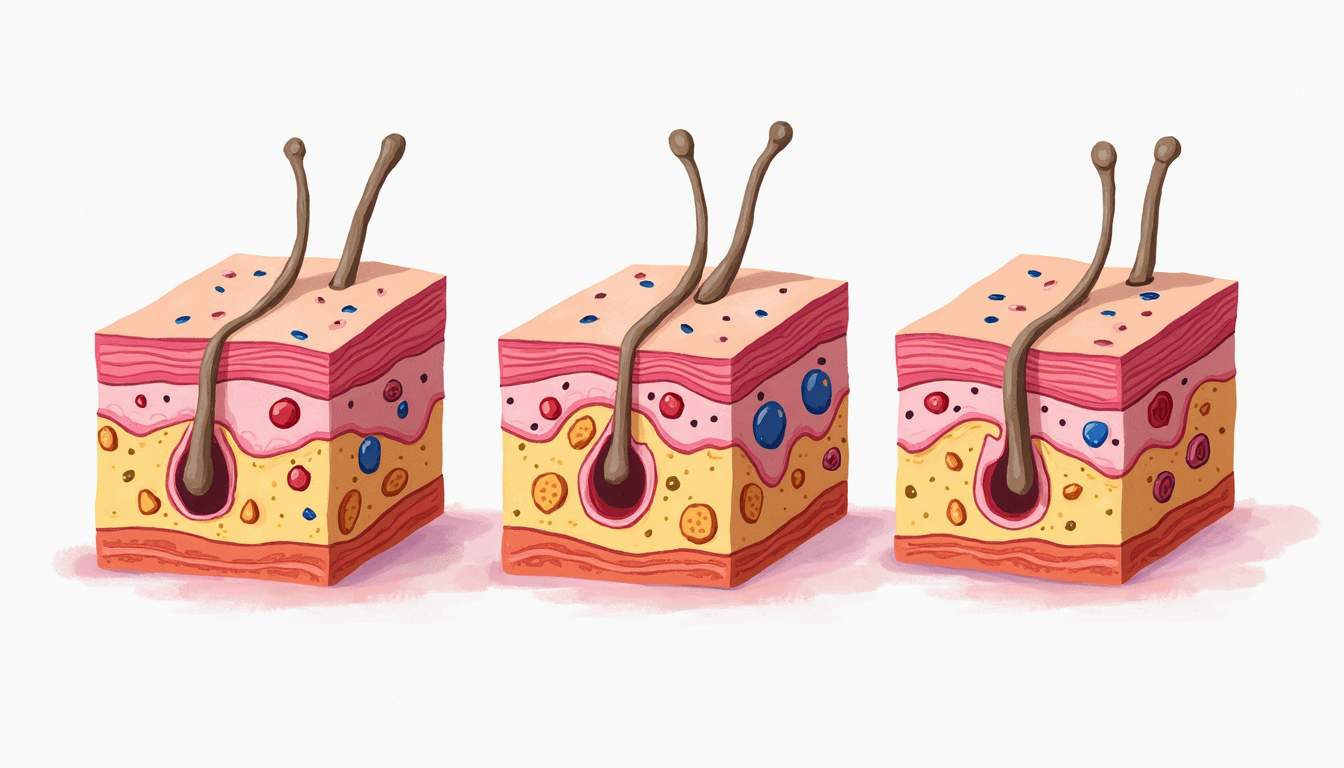
Skin Conditions
Skin infections are conditions in which bacteria, viruses, fungi, or parasites invade the skin, causing inflammation, lesions, and sometimes systemic symptoms.
Skin Conditions
Learn More →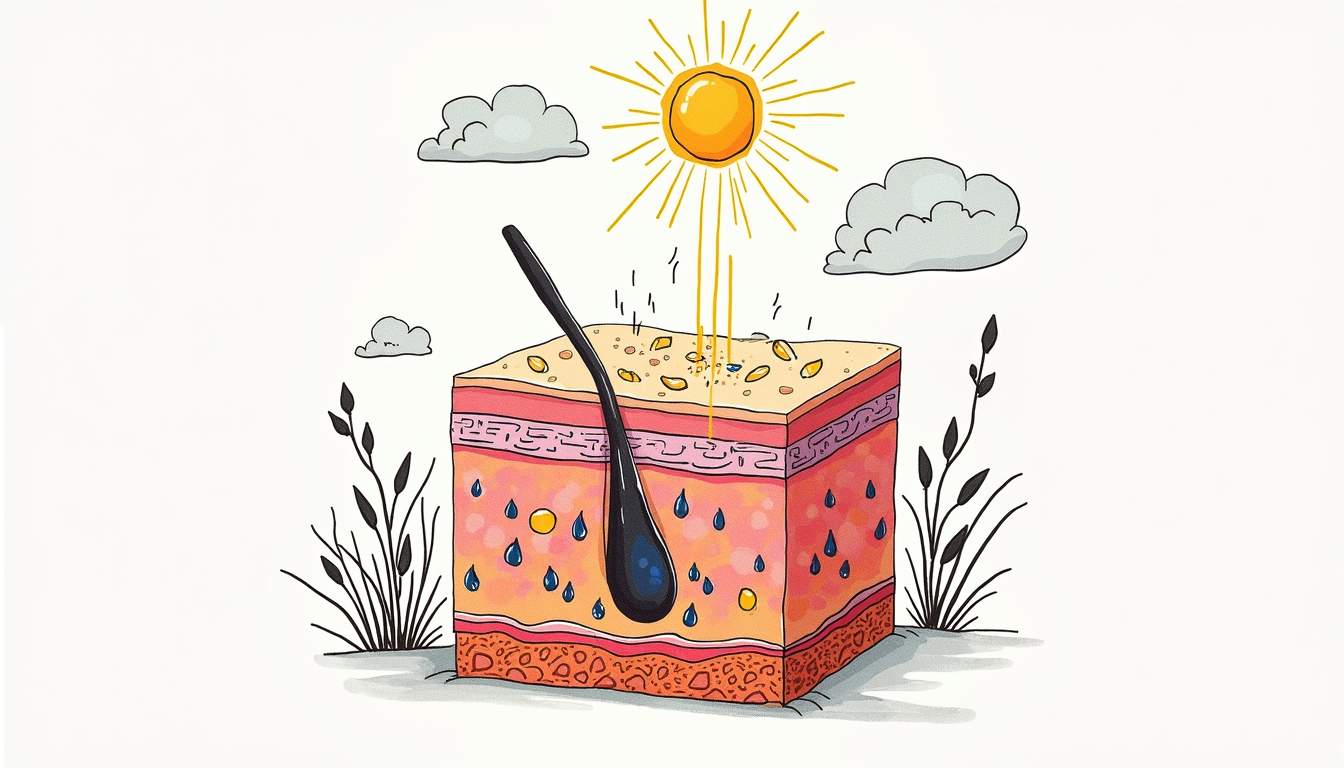
Skin Conditions
The lipid barrier is the skin’s outermost protective layer composed of structured lipids that prevent water loss and shield against environmental irritants and microbes.
Skin Conditions
Learn More →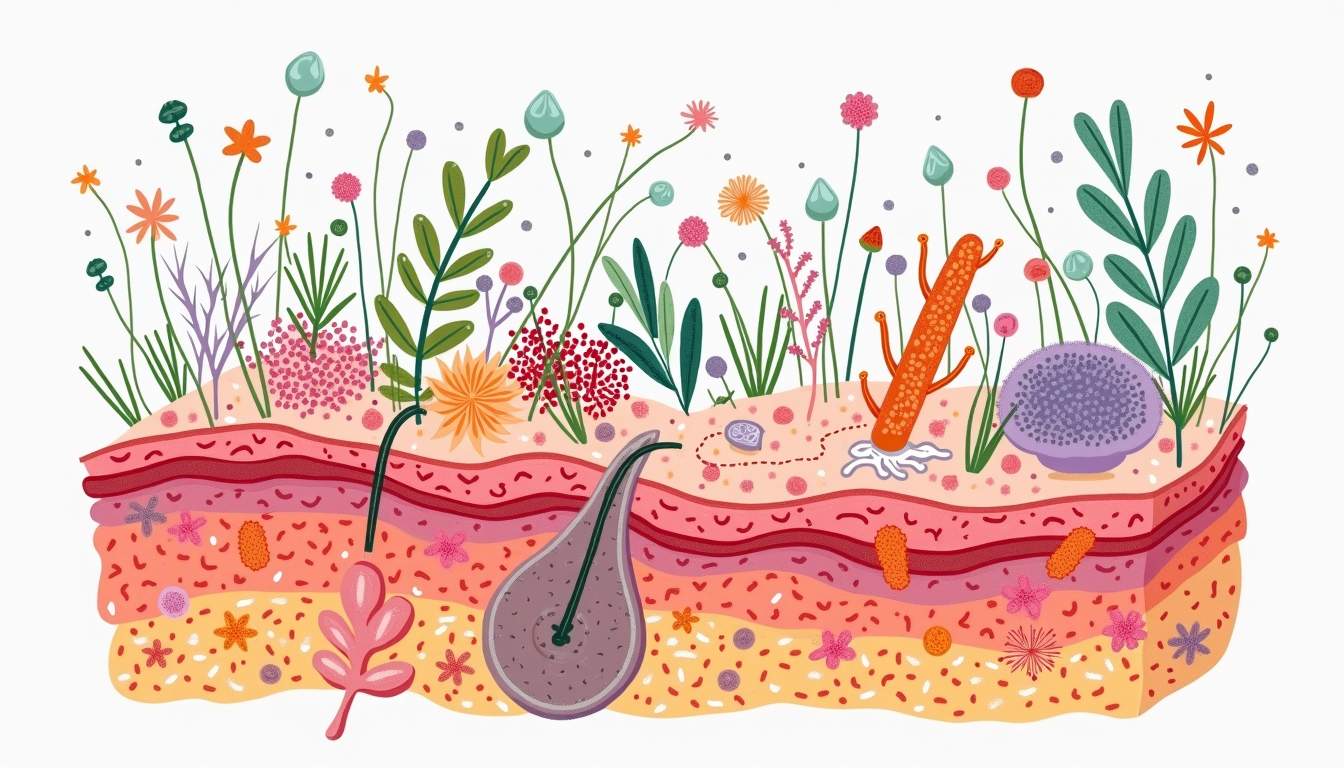
Skin Conditions
The skin microbiome is the diverse community of microorganisms—bacteria, fungi, viruses, and mites—that live on and interact with the skin, influencing barrier function, immune responses, and disease susceptibility.
Skin Conditions
Learn More →
Treatments
Collagen is the body's primary structural protein that provides strength, elasticity, and support to skin, bones, tendons, ligaments, and cartilage.
Treatments
Learn More →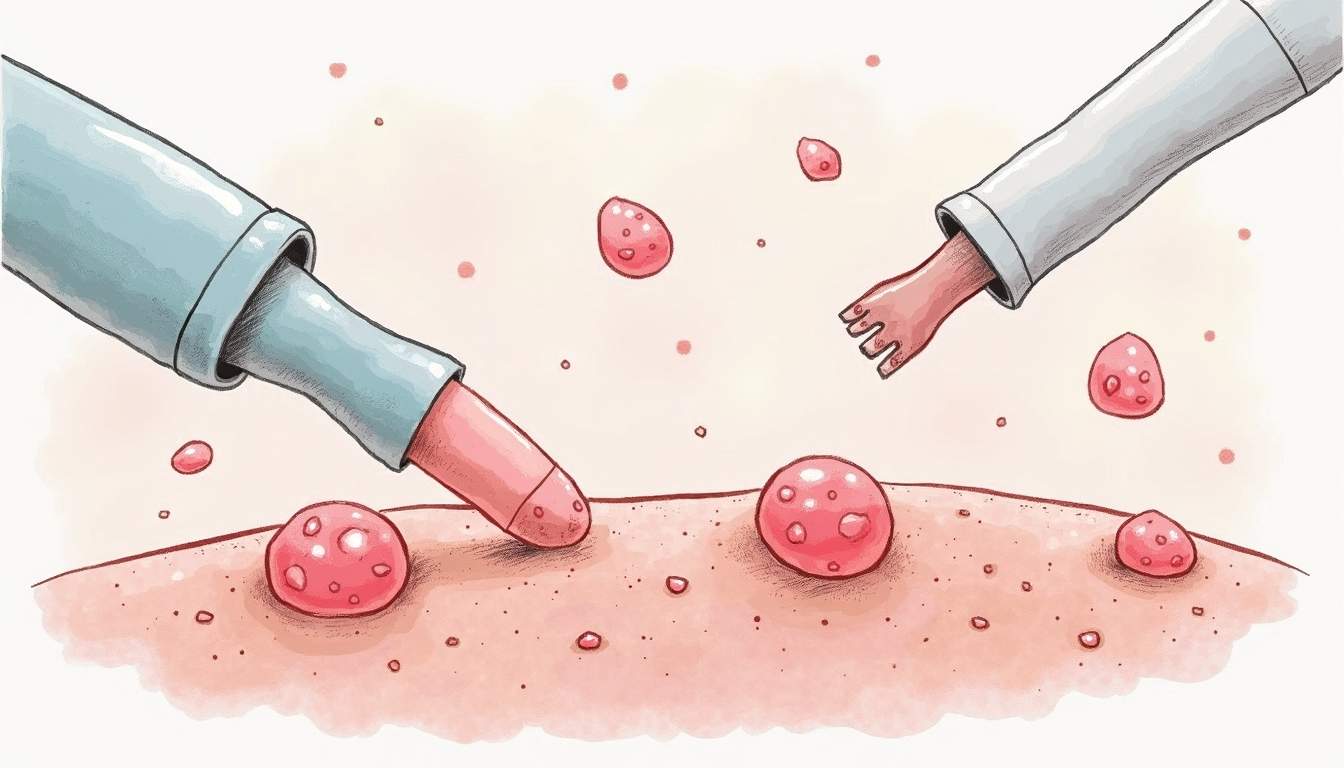
Skin Conditions
A common skin condition characterized by small, rough growths on the skin caused by infection with certain strains of the human papillomavirus (HPV).
Skin Conditions
Learn More →
Treatments
Aesthetic dermatology is the branch of dermatology focused on enhancing the appearance of skin, hair, and nails through non-surgical and surgical cosmetic procedures and treatments.
Treatments
Learn More →
Skin Conditions
The branch of medicine concerned with the diagnosis, treatment, and prevention of disorders of the skin, hair, nails, and mucous membranes.
Skin Conditions
Learn More →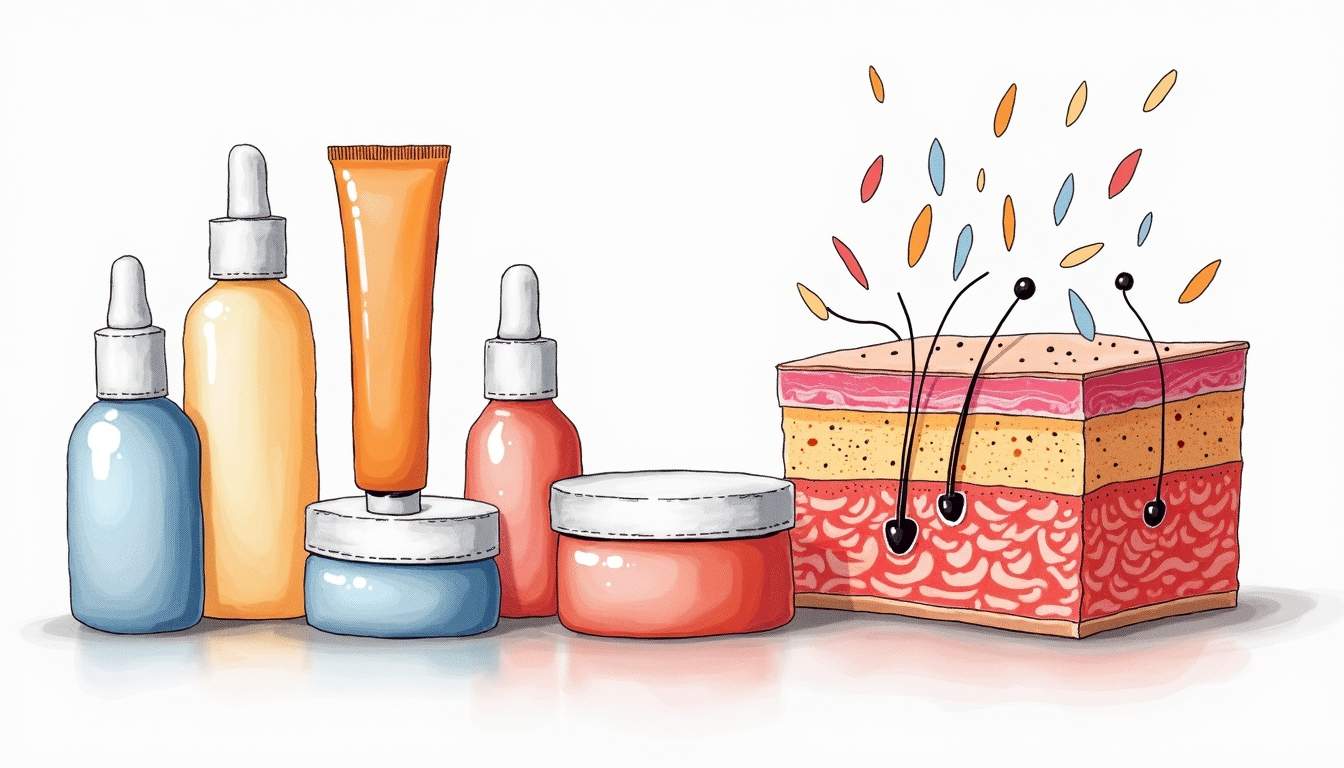
Treatments
Topical retinoids are vitamin A–derived medications applied to the skin to regulate cell turnover, treat acne, reduce fine lines, and improve skin texture.
Treatments
Learn More →
Treatments
An overview of the key active and supporting compounds used in skin care products, explaining their functions, benefits, and interactions with different skin types and concerns.
Treatments
Learn More →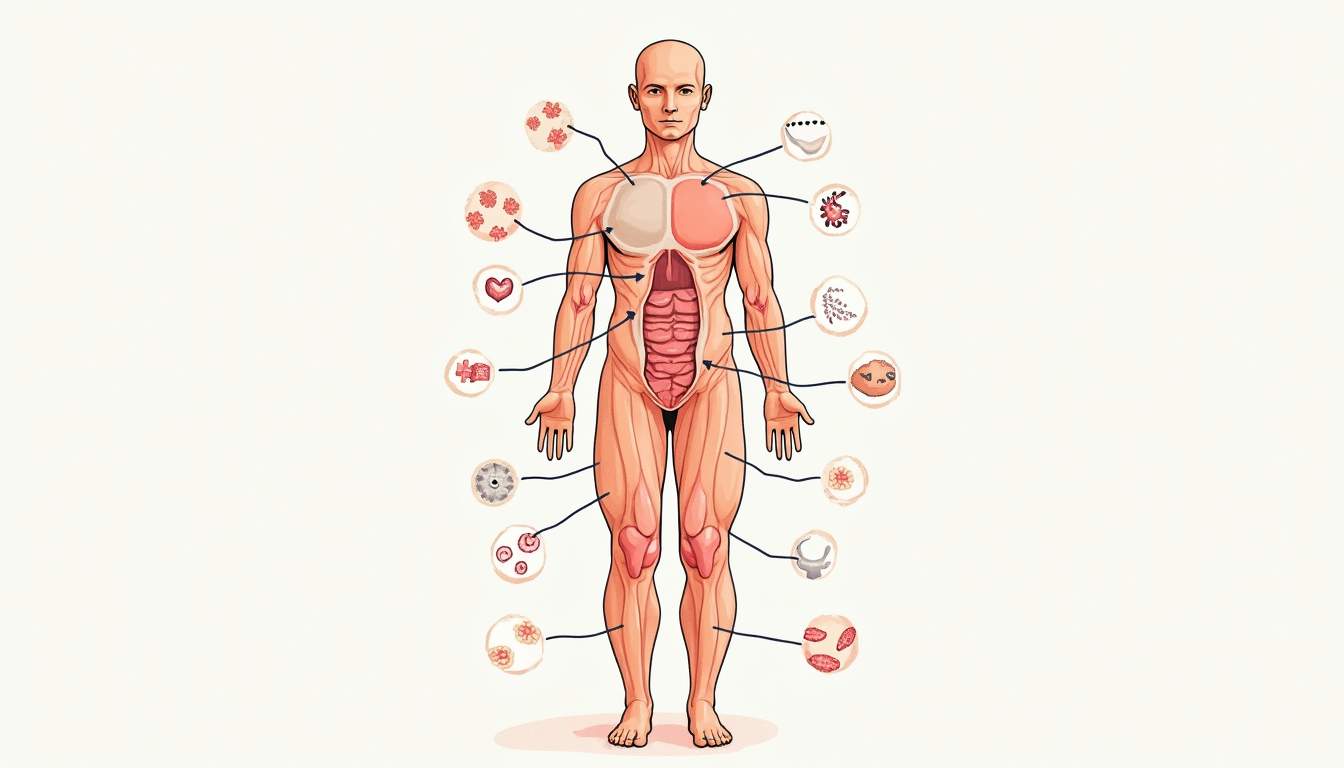
Skin Conditions
An inflammatory rash affecting skin folds caused by friction, moisture, and heat, often worsened by secondary bacterial or fungal infection.
Skin Conditions
Learn More →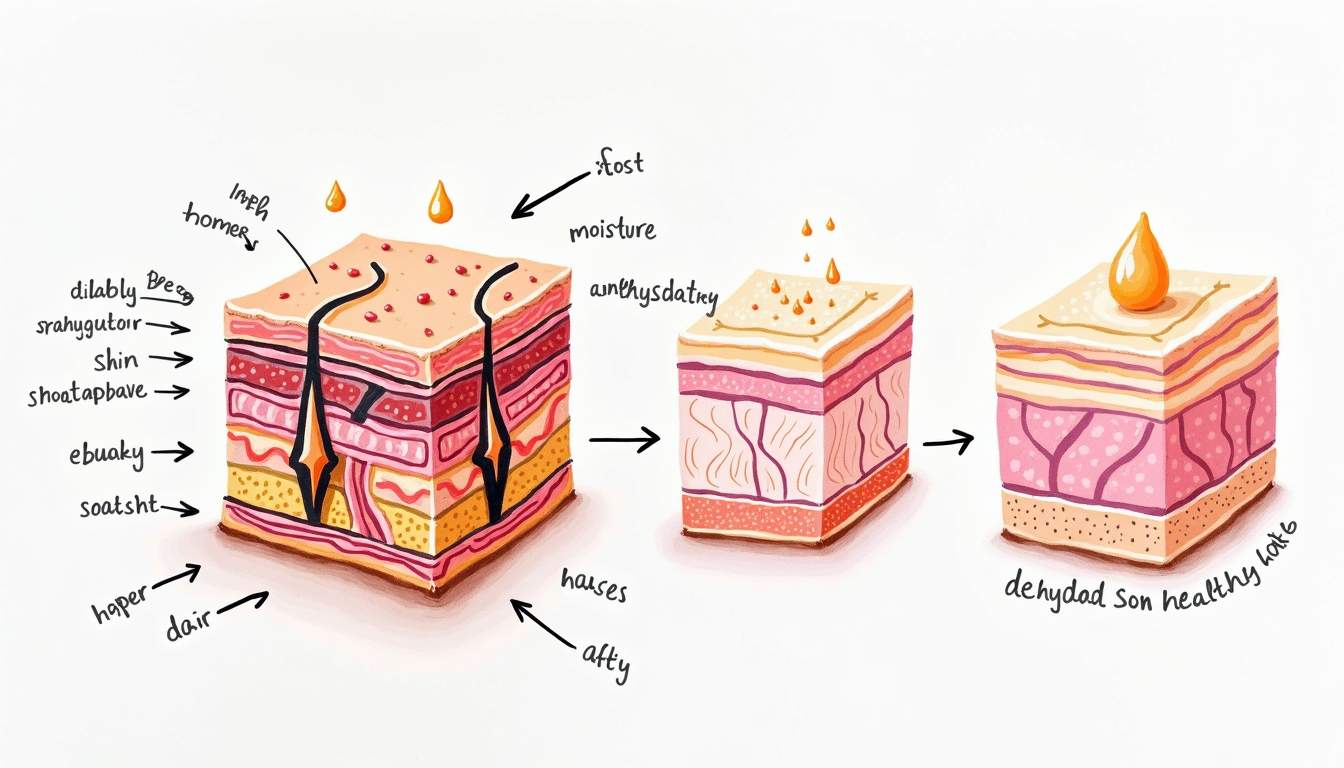
Skin Conditions
Skin turgor is the skin's elasticity—how quickly it returns to its normal position after being pinched—used to assess hydration and tissue health.
Skin Conditions
Learn More →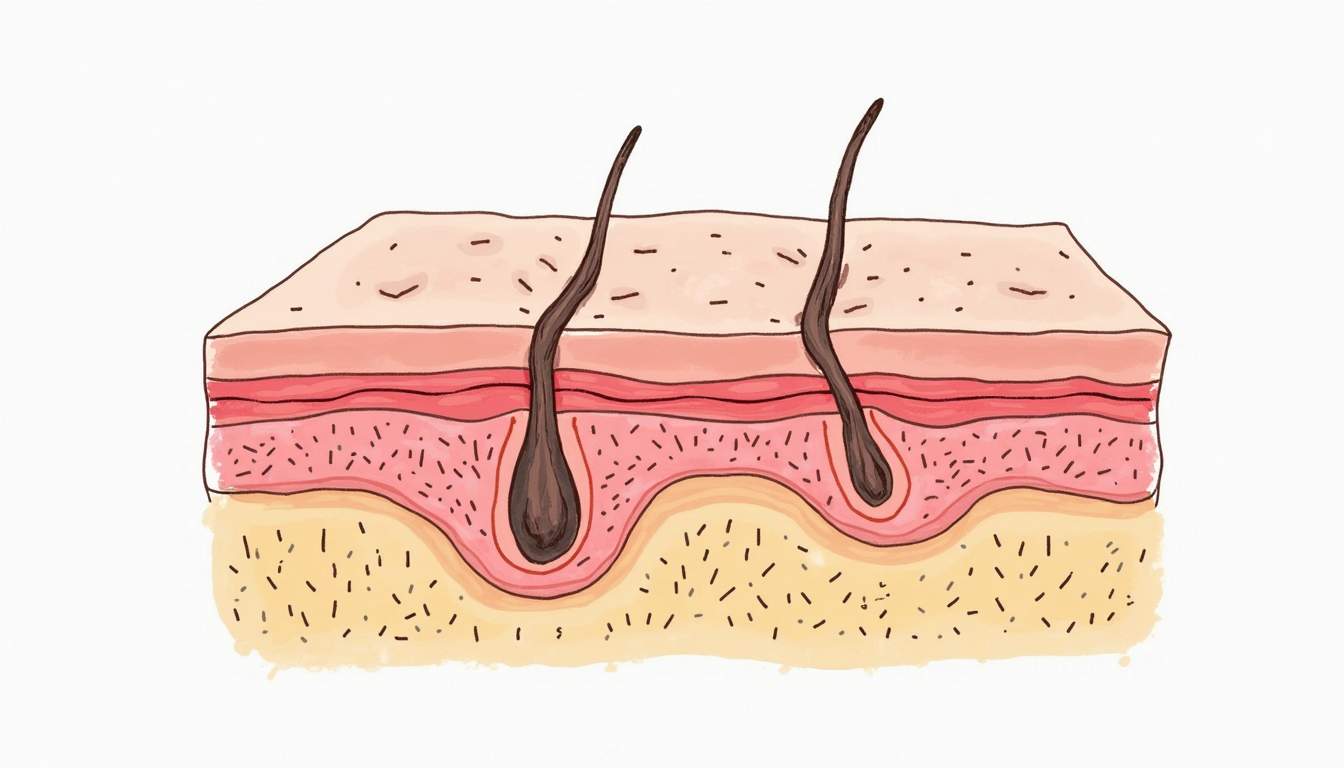
Skin Conditions
Small non-inflammatory acne lesions formed when hair follicles become clogged with sebum and dead skin cells, appearing as open (blackheads) or closed (whiteheads).
Skin Conditions
Learn More →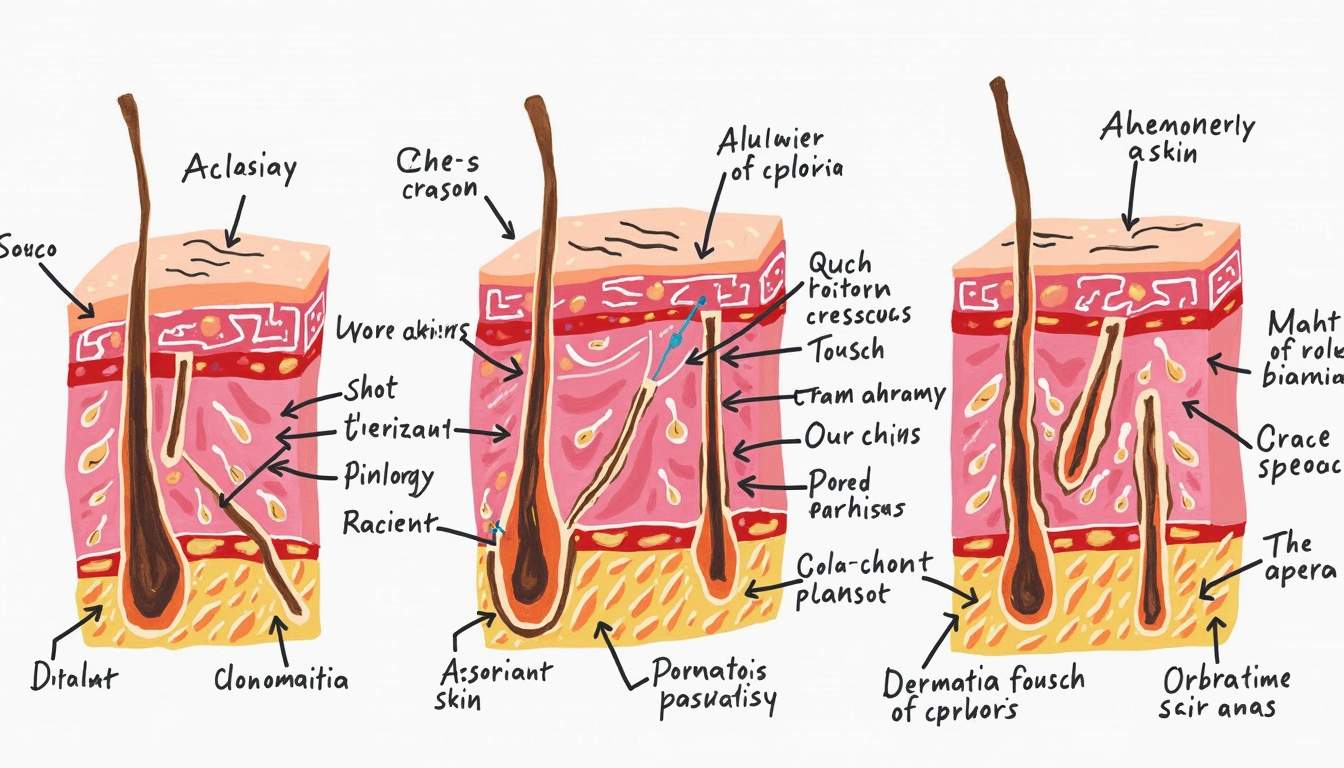
Skin Conditions
An overview of the various visible signs and changes in the skin that reflect underlying local or systemic diseases, injuries, infections, allergic reactions, or genetic conditions.
Skin Conditions
Learn More →
Skin Conditions
A hair follicle is a dynamic skin organ that anchors the hair shaft and contains specialized cells and structures that drive hair growth, cycling, sensation, and sebum production.
Skin Conditions
Learn More →
Treatments
A neurotoxic protein produced by Clostridium botulinum that blocks acetylcholine release at neuromuscular junctions, causing muscle paralysis and used therapeutically in controlled doses for conditions such as muscle spasm disorders and cosmetic wrinkle reduction.
Treatments
Learn More →
Skin Conditions
A common superficial fungal skin infection caused by Malassezia species that leads to discolored, often scaly patches on the trunk, neck, and upper arms.
Skin Conditions
Learn More →
Skin Conditions
Ultraviolet (UV) radiation is a form of electromagnetic radiation with wavelengths shorter than visible light, produced by the sun and artificial sources, that can affect biological tissues, cause chemical reactions, and degrade materials.
Skin Conditions
Learn More →
Skin Conditions
A family of strong, fibrous structural proteins that form the key building blocks of hair, nails, skin, and animal integuments, providing durability and protection.
Skin Conditions
Learn More →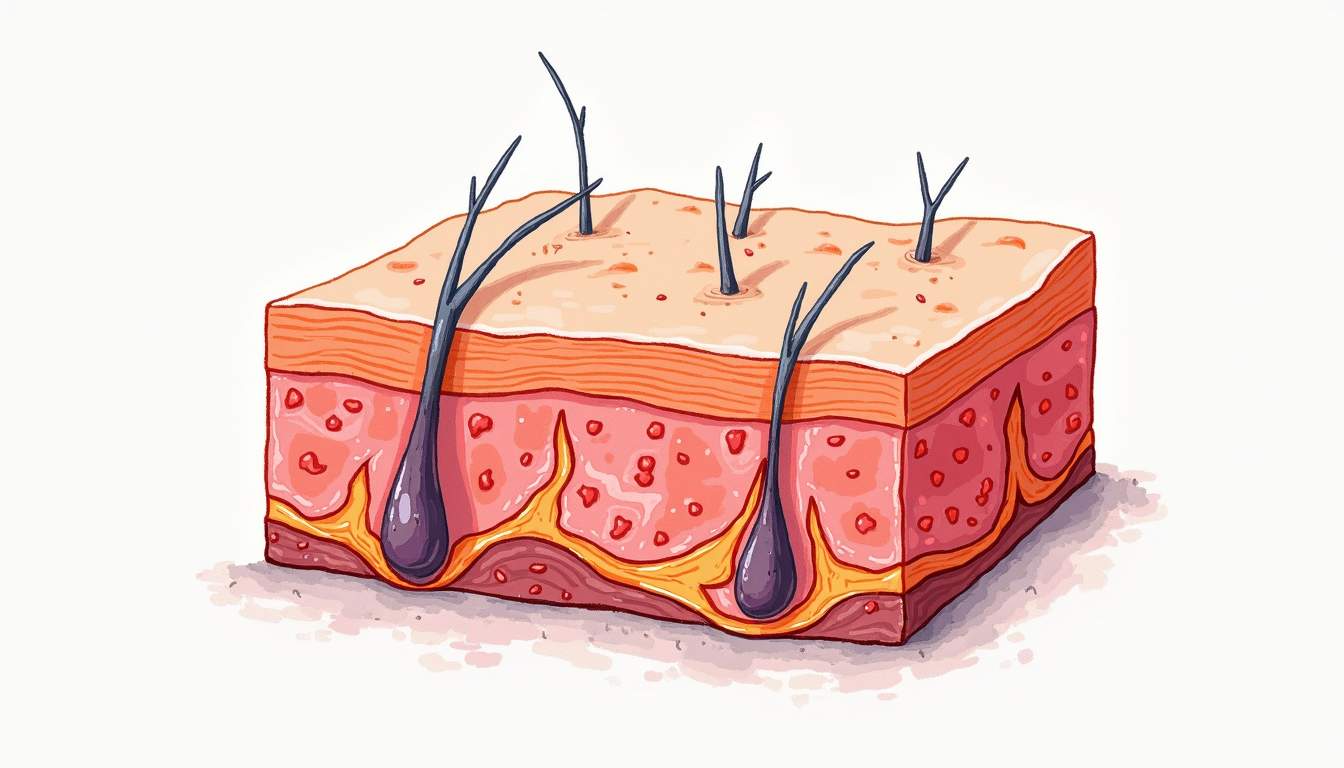
Autoimmune Conditions
A chronic autoimmune disease in which the immune system attacks healthy tissues, causing inflammation that can affect the skin, joints, kidneys, brain, and other organs.
Autoimmune Conditions
Learn More →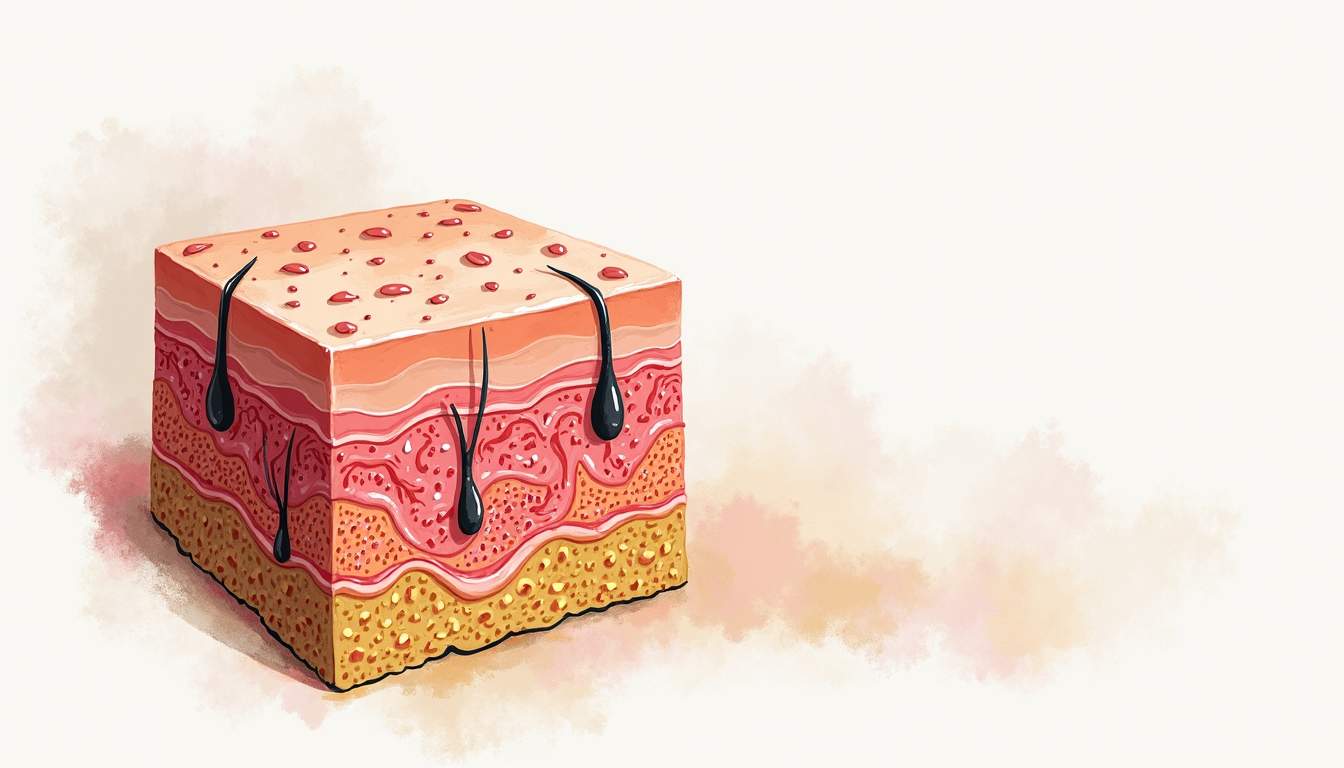
Skin Conditions
Uneven skin coloration characterized by localized patches of increased or decreased melanin production caused by factors such as inflammation, sun exposure, hormonal changes, or autoimmune processes.
Skin Conditions
Learn More →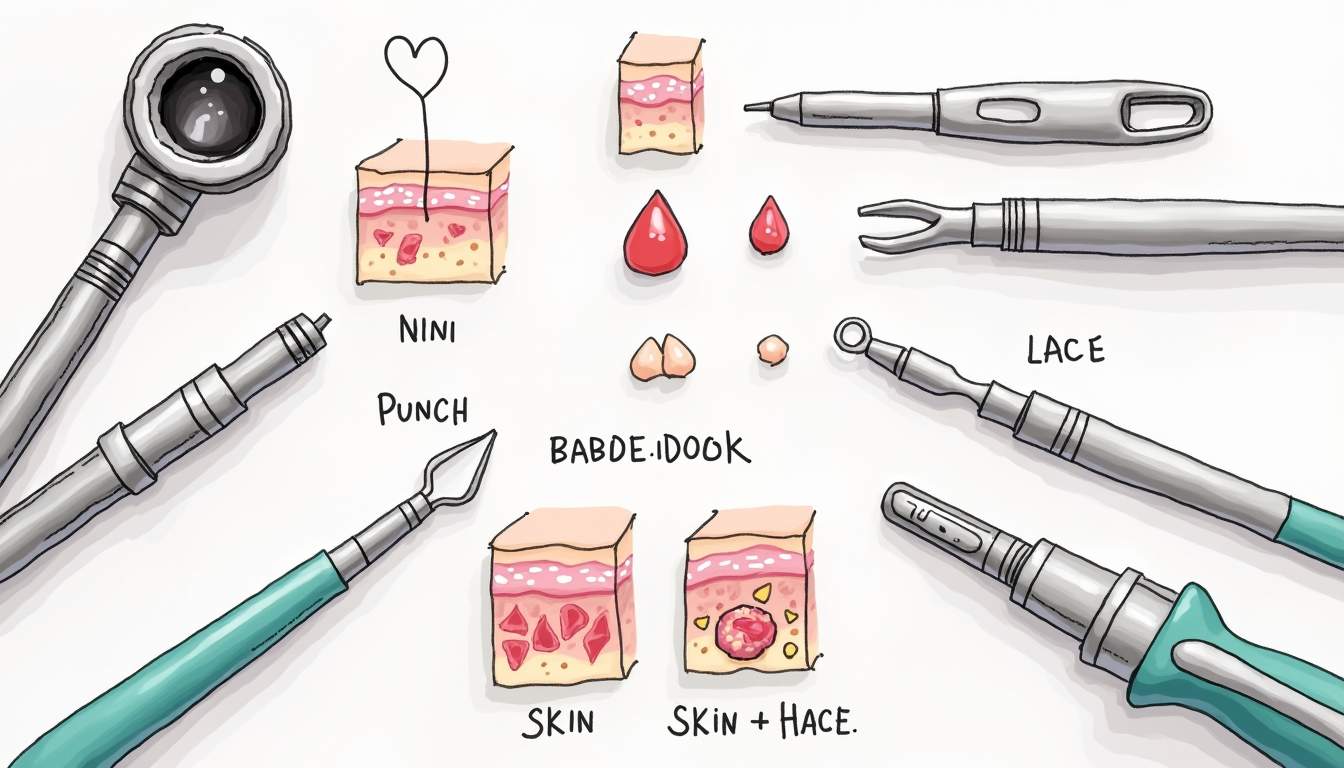
Procedures
An overview of methods for obtaining and processing tissue samples—including needle, punch, excisional, and endoscopic biopsies—used to diagnose disease, guide treatment, and assess prognosis.
Procedures
Learn More →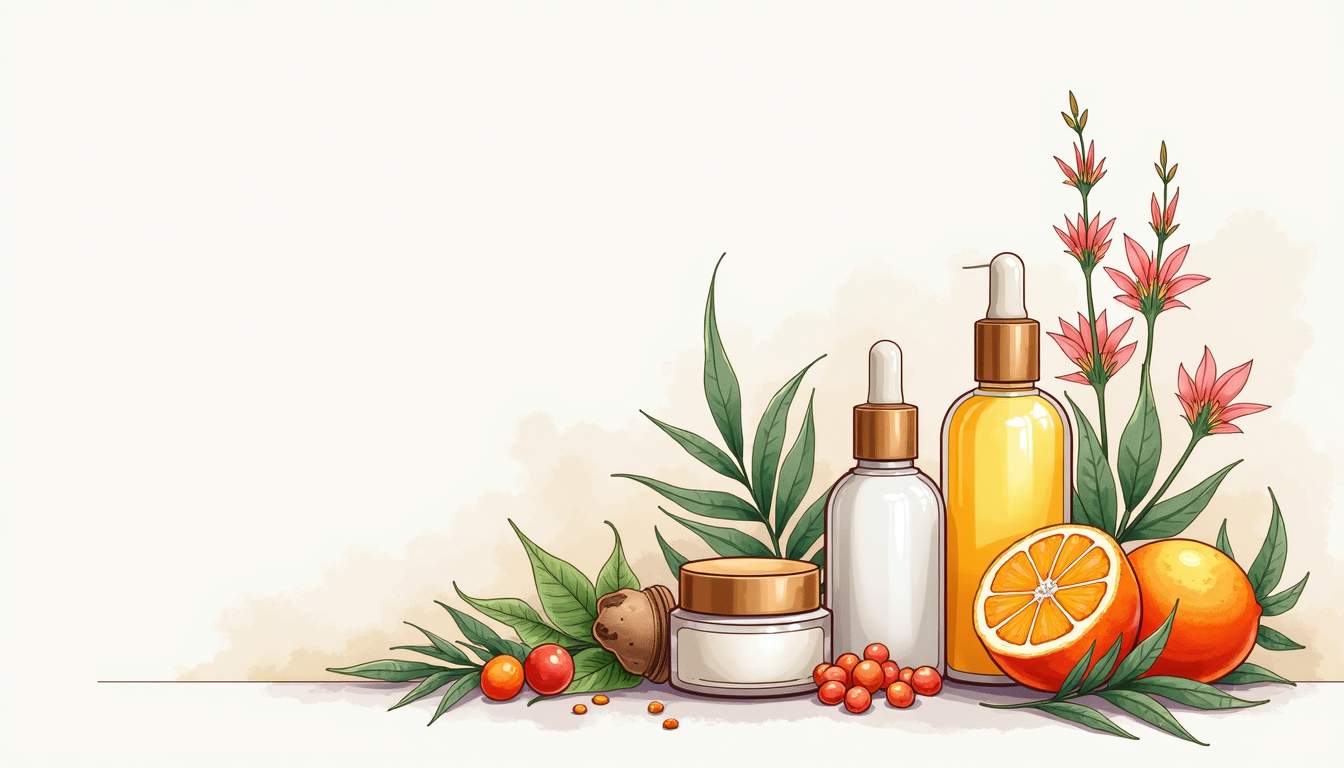
Treatments
Therapies and interventions designed to slow, prevent, or reduce the visible and physiological effects of aging.
Treatments
Learn More →
Skin Conditions
Inflammation of the skin characterized by redness, itching, swelling and sometimes blisters or crusting, caused by irritants, allergens, genetics, or immune reactions.
Skin Conditions
Learn More →
Skin Conditions
A group of common, contagious fungal infections of the skin, hair, and nails caused by dermatophyte fungi, often referred to as ringworm.
Skin Conditions
Learn More →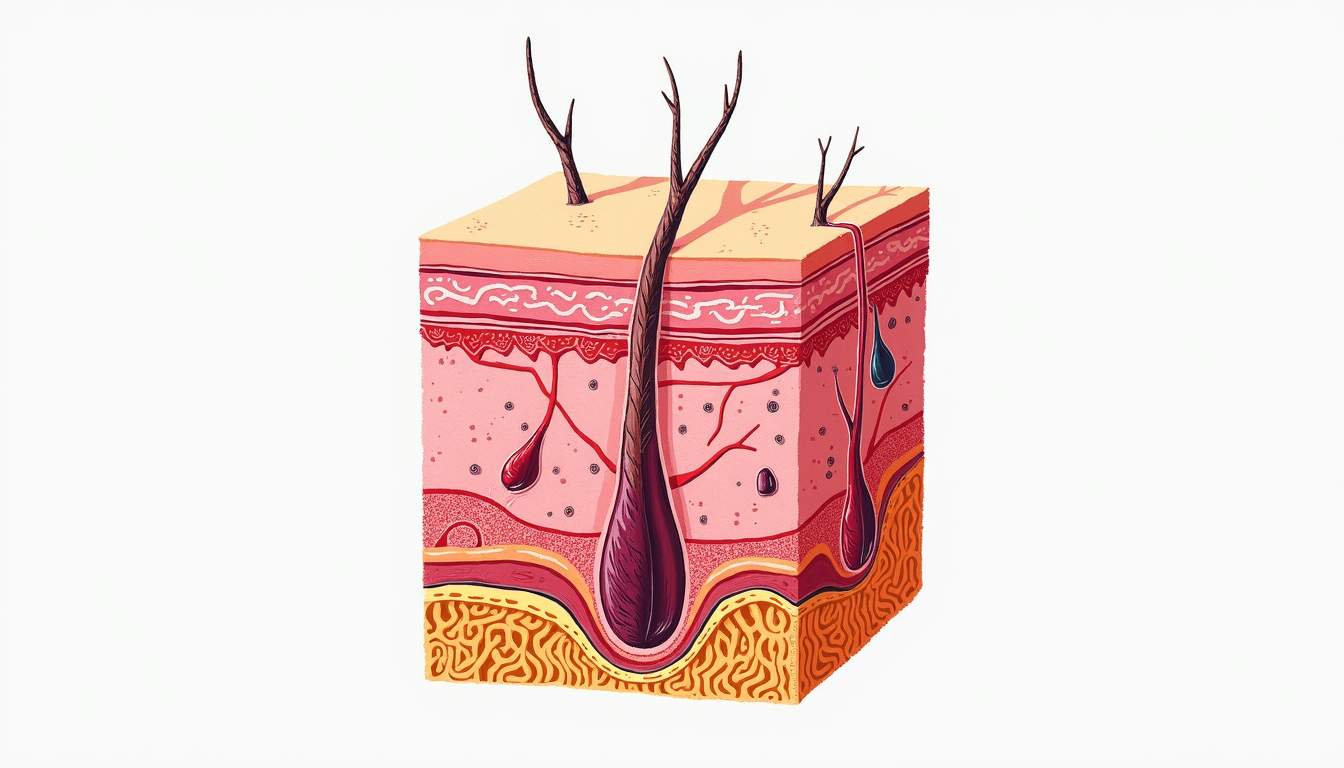
Procedures
The microscopic examination of diseased tissues to identify structural changes, diagnose disease, and guide clinical management.
Procedures
Learn More →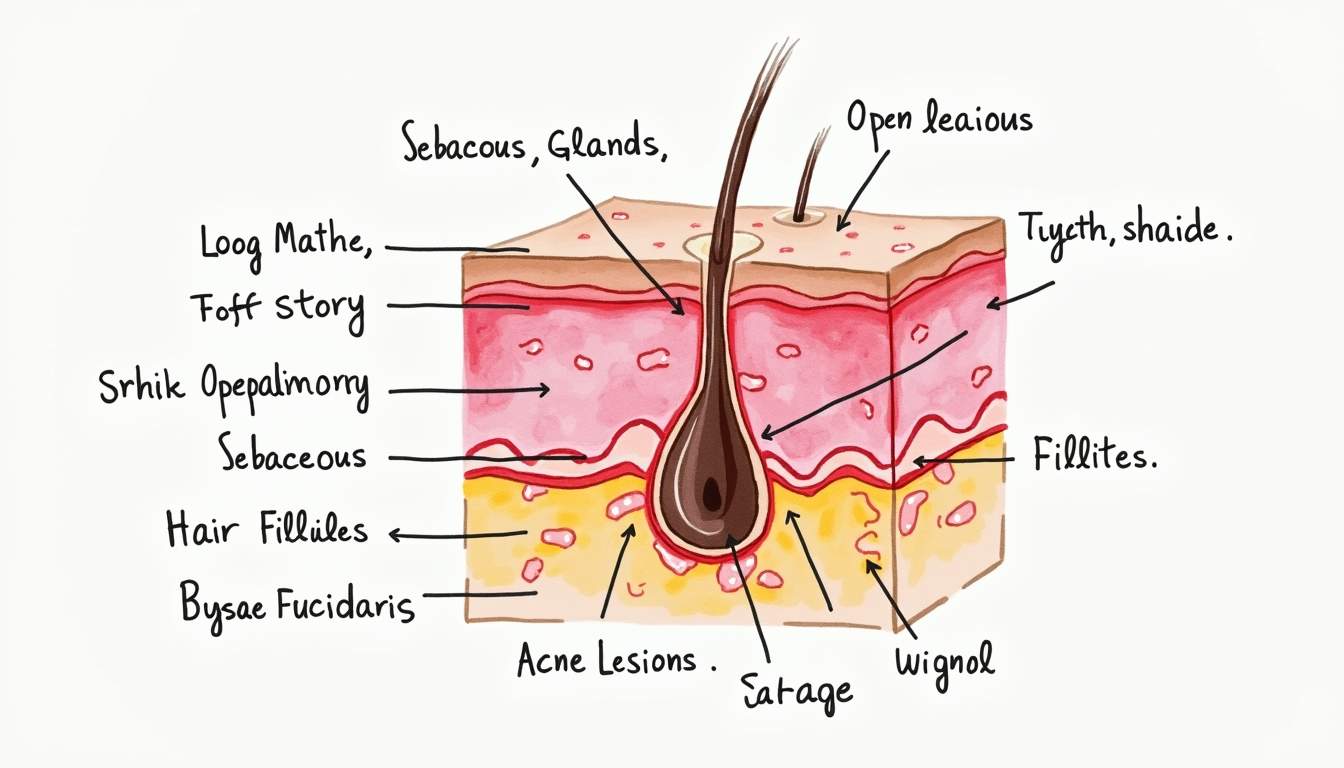
Skin Conditions
A common inflammatory disorder of the pilosebaceous units characterized by comedones, papules, pustules, and sometimes nodules caused by increased sebum production, follicular hyperkeratinization, Cutibacterium acnes proliferation, and inflammation.
Skin Conditions
Learn More →
Treatments
The use of specific wavelengths of light to treat medical conditions such as skin disorders, neonatal jaundice, and mood disorders.
Treatments
Learn More →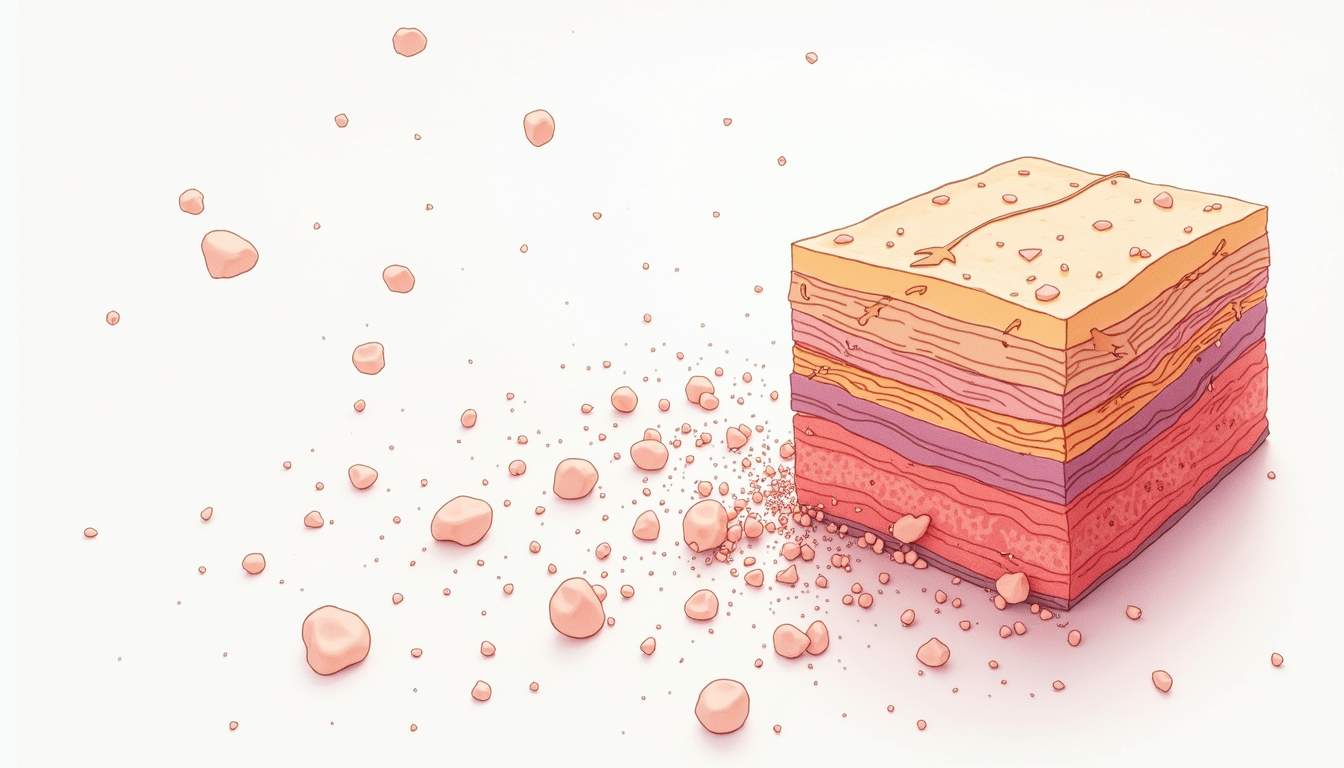
Treatments
A white inorganic compound (ZnO) used as a semiconductor, UV absorber, pigment, and antimicrobial additive in sunscreens, cosmetics, rubber, and other industrial applications.
Treatments
Learn More →
Skin Cancer
Photoprotection is the practice of protecting skin, eyes, and materials from the harmful effects of ultraviolet and high-energy visible light through sunscreens, clothing, shade, and behavioral measures.
Skin Cancer
Learn More →
Procedures
A brief overview of methods used to assess how an individual's skin reacts to substances or environmental factors to identify irritants, allergens, and tolerance levels.
Procedures
Learn More →
Treatments
Topical medications applied to the skin or nails that treat or prevent fungal infections by killing or inhibiting the growth of fungi.
Treatments
Learn More →
Skin Conditions
Alopecia is a medical condition characterized by partial or complete hair loss from the scalp or body due to genetic, autoimmune, hormonal, medication-related, or other causes.
Skin Conditions
Learn More →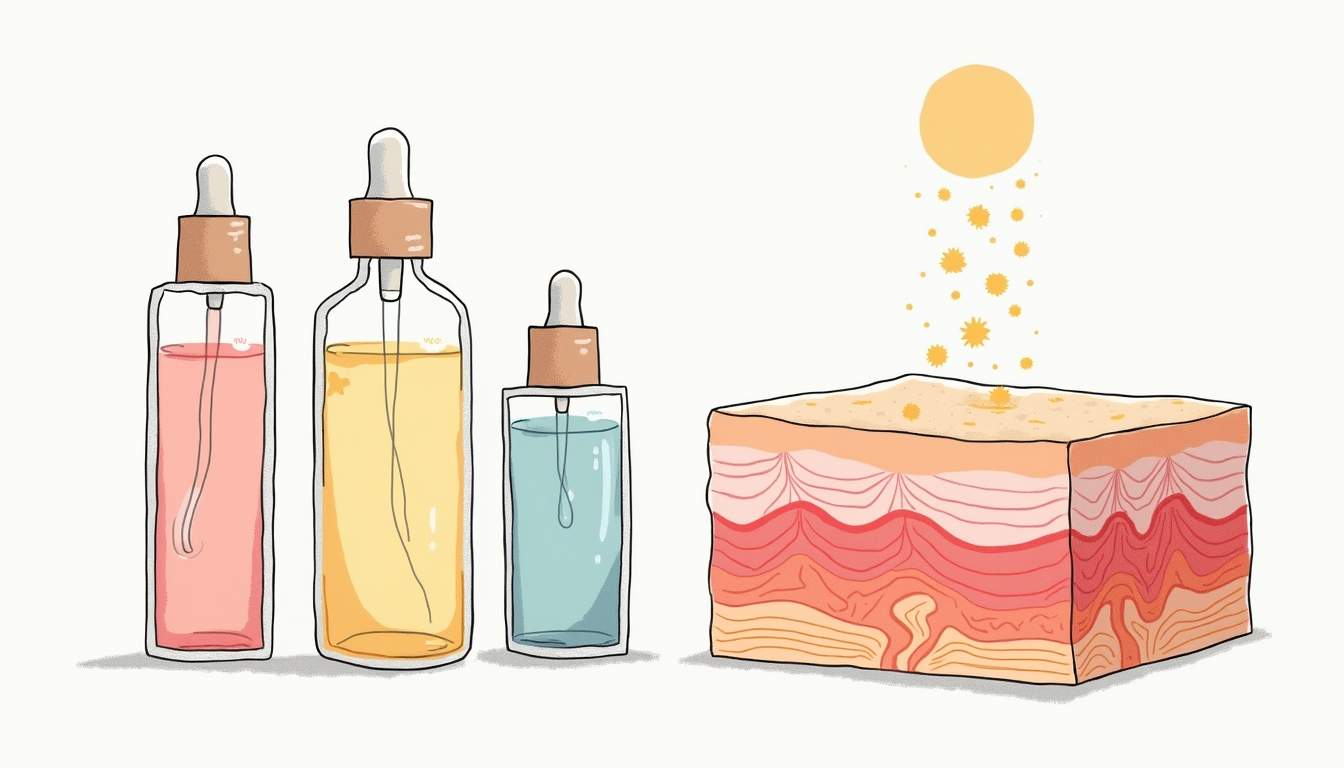
Treatments
Chemical exfoliants are skincare ingredients—such as alpha and beta hydroxy acids and enzymes—that chemically dissolve dead skin cells and unclog pores to reveal smoother, brighter skin.
Treatments
Learn More →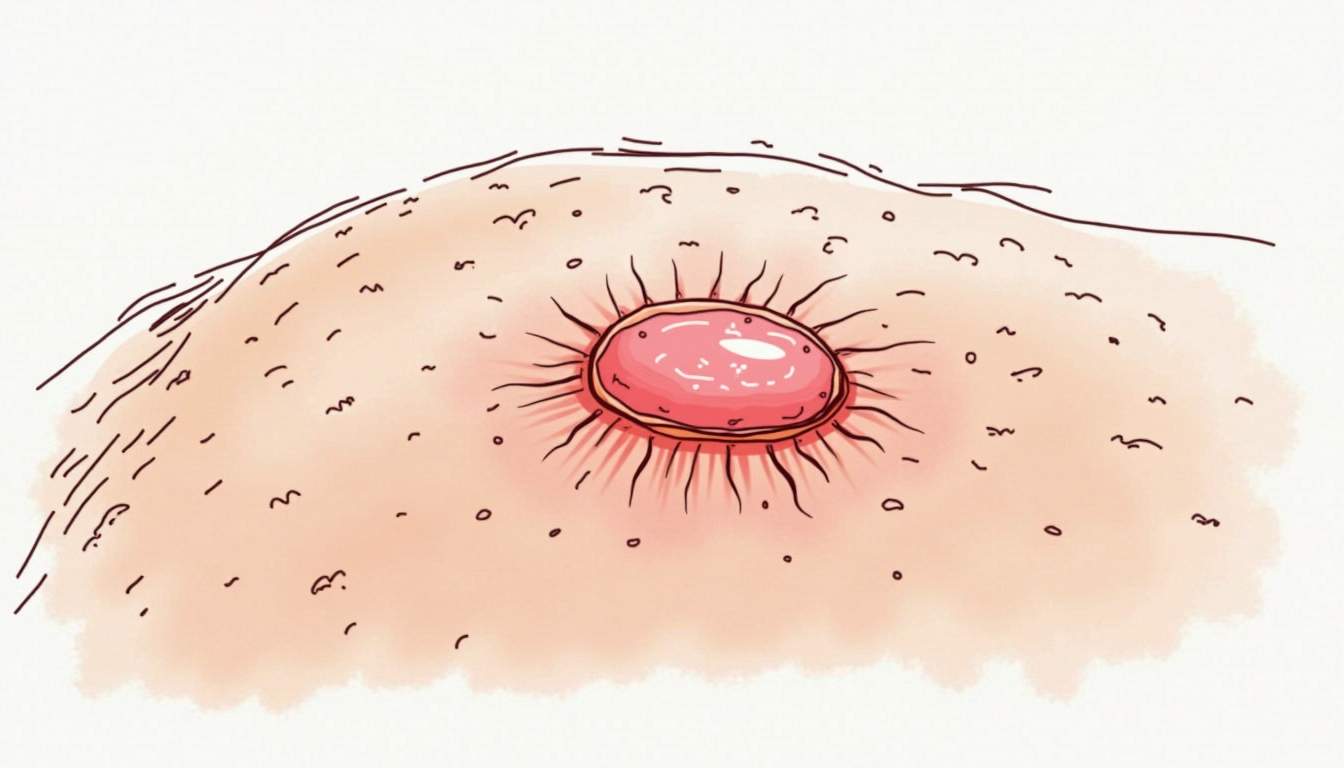
Skin Conditions
Raised, firm overgrowths of scar tissue that extend beyond the original wound due to excessive collagen deposition, often causing itching, pain, or cosmetic concern.
Skin Conditions
Learn More →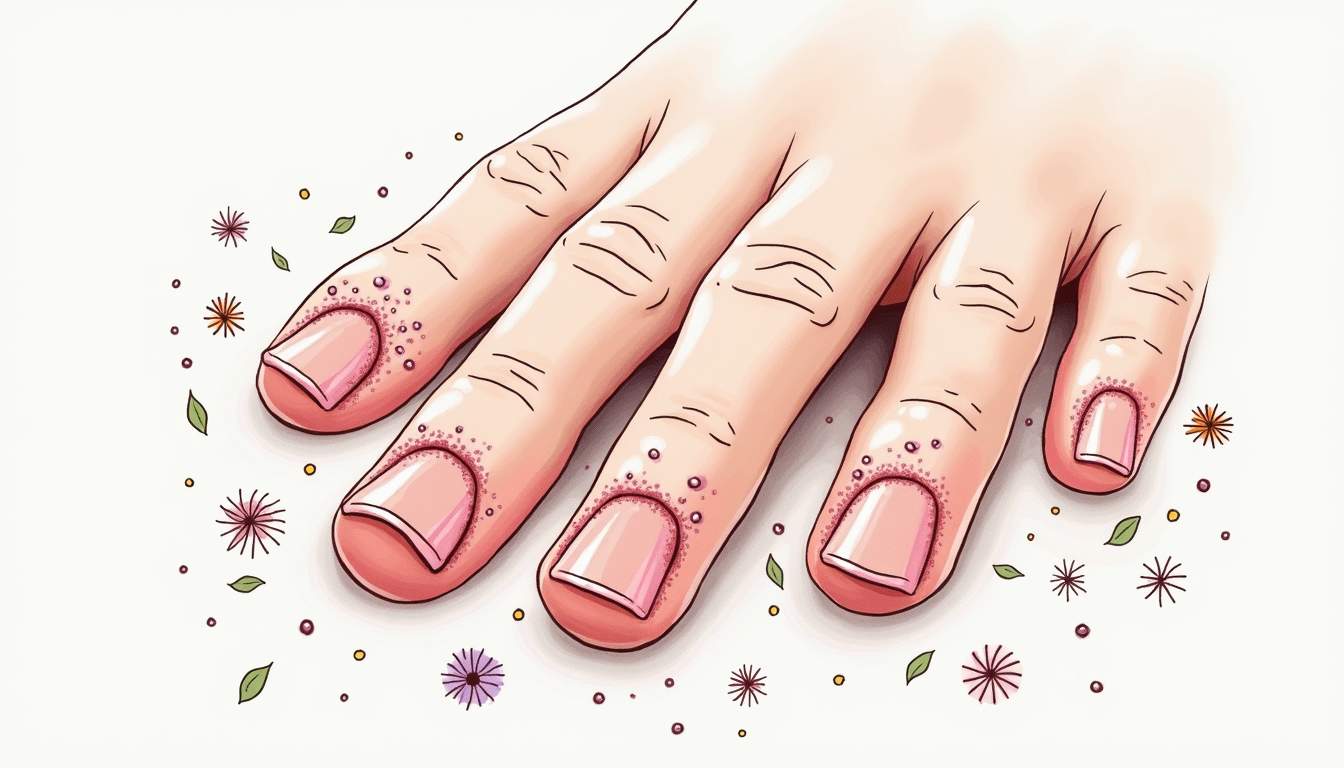
Skin Conditions
A chronic inflammatory condition associated with psoriasis that affects the nails, causing pitting, discoloration, thickening, separation (onycholysis), and crumbling.
Skin Conditions
Learn More →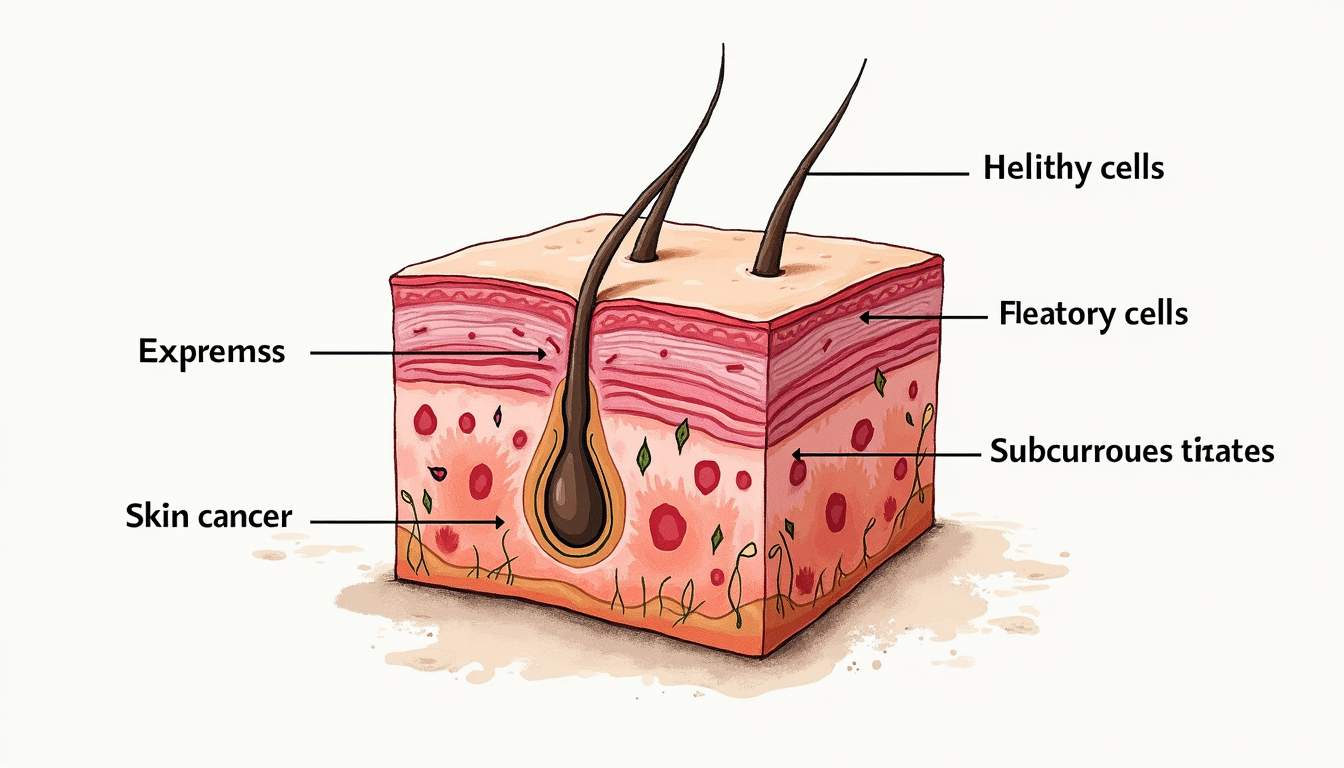
Skin Cancer
A group of skin cancers excluding melanoma—primarily basal cell and squamous cell carcinomas—that arise from sun-exposed skin and are generally less likely to metastasize.
Skin Cancer
Learn More →
Skin Cancer
A clinical process for early detection of skin cancer that uses visual skin exams, dermoscopy, patient history, and biopsy of suspicious lesions to identify malignant or precancerous changes.
Skin Cancer
Learn More →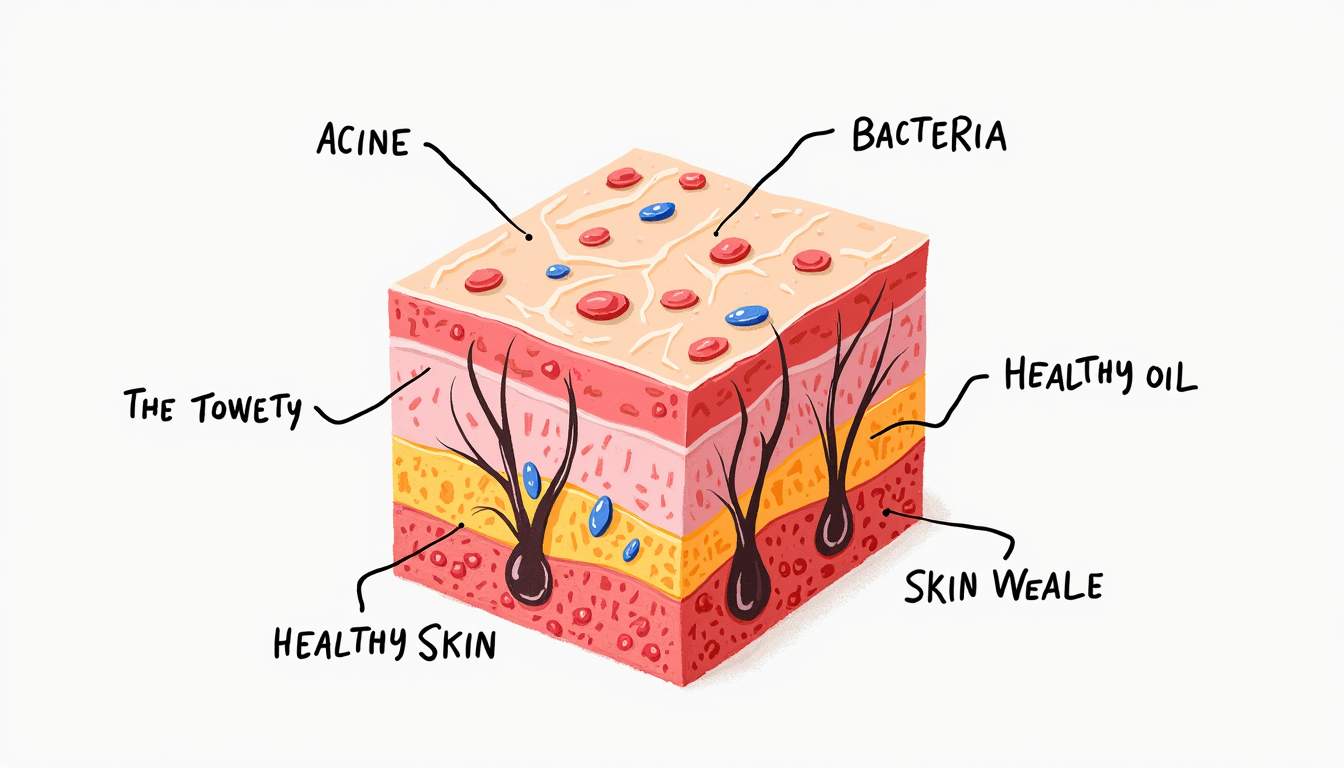
Skin Conditions
A common inflammatory skin condition characterized by clogged hair follicles that leads to pimples, blackheads, whiteheads, and sometimes cysts due to excess oil, bacteria, and inflammation.
Skin Conditions
Learn More →
Skin Conditions
Contact allergens are substances that provoke an immune-mediated skin reaction (contact dermatitis) upon direct contact with the skin.
Skin Conditions
Learn More →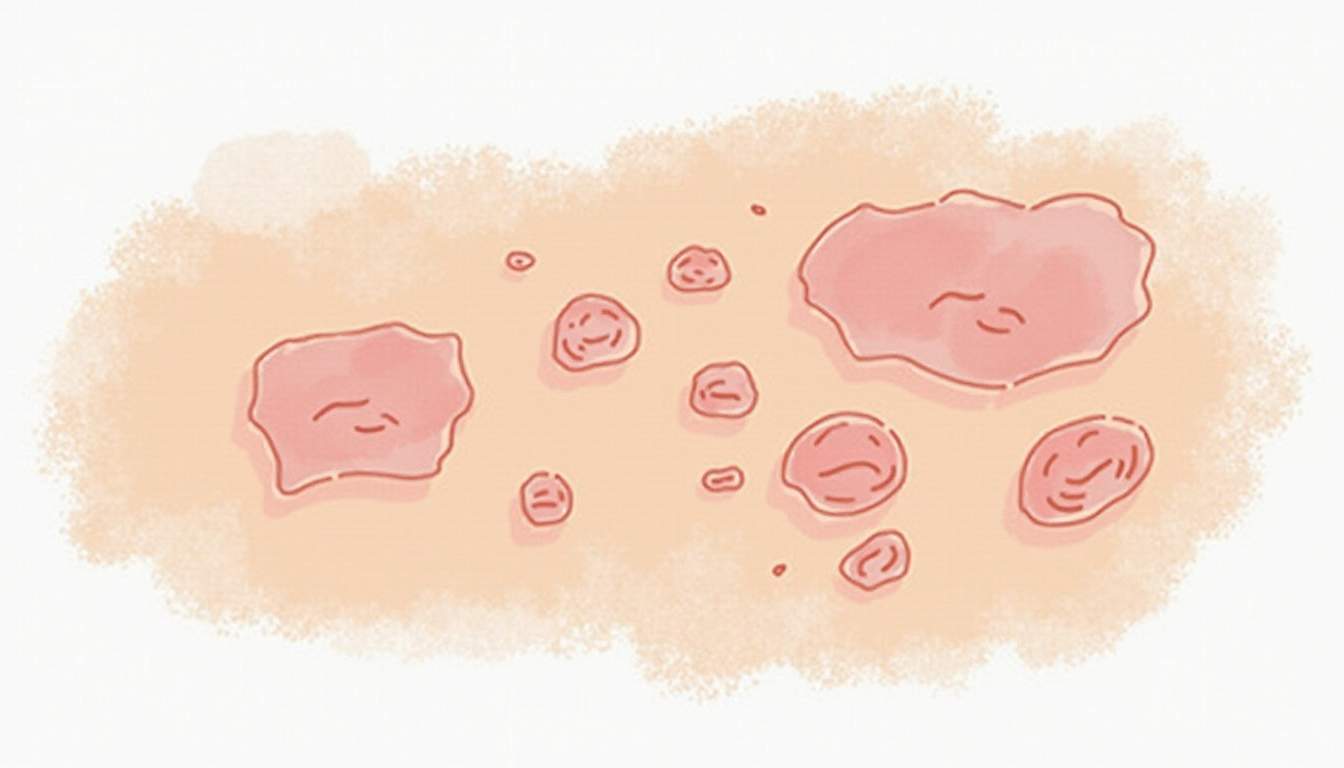
Skin Conditions
A common, harmless skin condition where excess keratin blocks hair follicles, causing small, rough, sometimes red bumps often on the upper arms, thighs, or cheeks.
Skin Conditions
Learn More →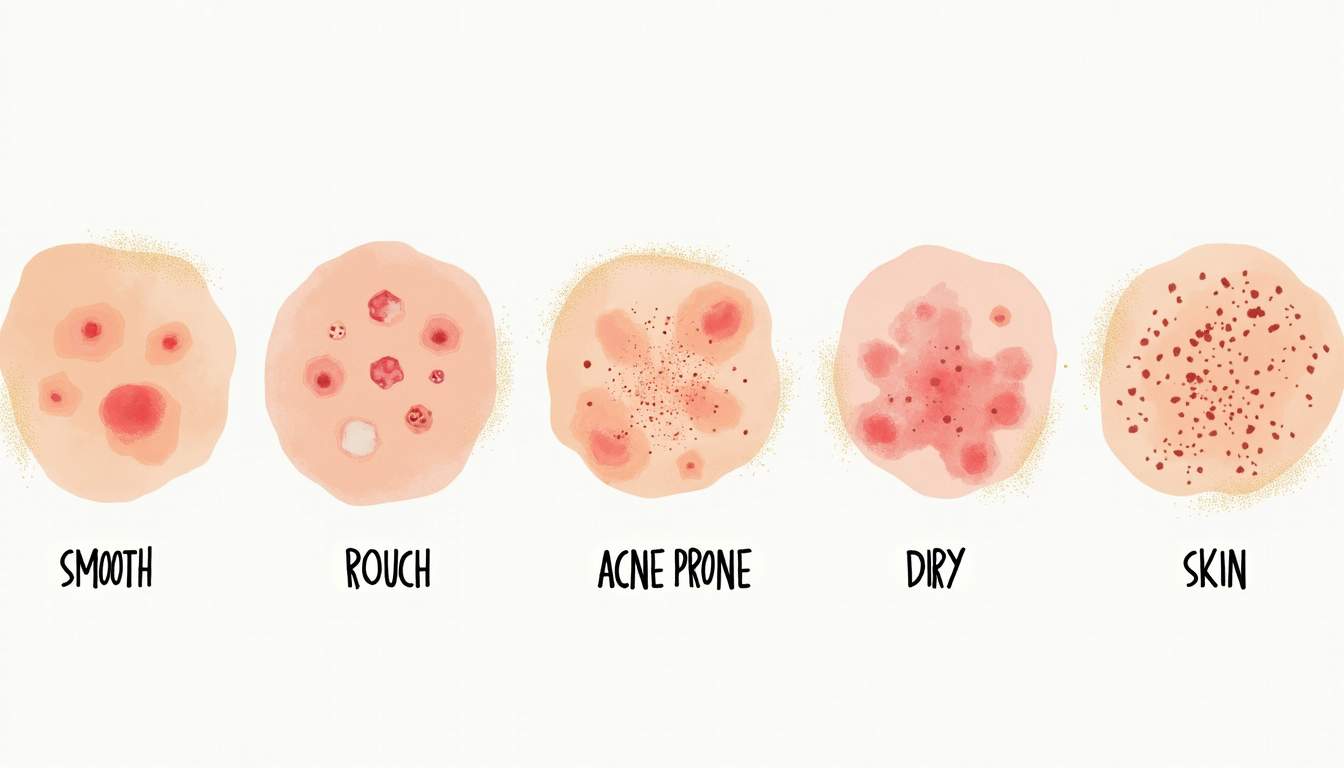
Skin Conditions
The surface quality of the skin—including smoothness, roughness, pore size, and fine lines—shaped by genetics, age, environmental factors, and skincare.
Skin Conditions
Learn More →
Treatments
Topical antibiotics are antibacterial medications applied directly to the skin to treat or prevent localized bacterial infections and reduce bacterial growth.
Treatments
Learn More →
Procedures
A diagnostic procedure in which small amounts of suspected allergens are applied to the skin under adhesive patches to identify substances that cause allergic contact dermatitis.
Procedures
Learn More →
Skin Conditions
Permanent skin changes—such as depressed (atrophic), raised (hypertrophic or keloid), and pigmented marks—that result from inflammation and tissue damage caused by acne.
Skin Conditions
Learn More →
Skin Conditions
Pruritus is an unpleasant cutaneous sensation that provokes the urge to scratch and can result from a wide range of dermatologic or systemic causes.
Skin Conditions
Learn More →
Treatments
A skincare step or set of treatments aimed at balancing and evening skin tone, refining texture, minimizing pores, and reducing discoloration for a more uniform complexion.
Treatments
Learn More →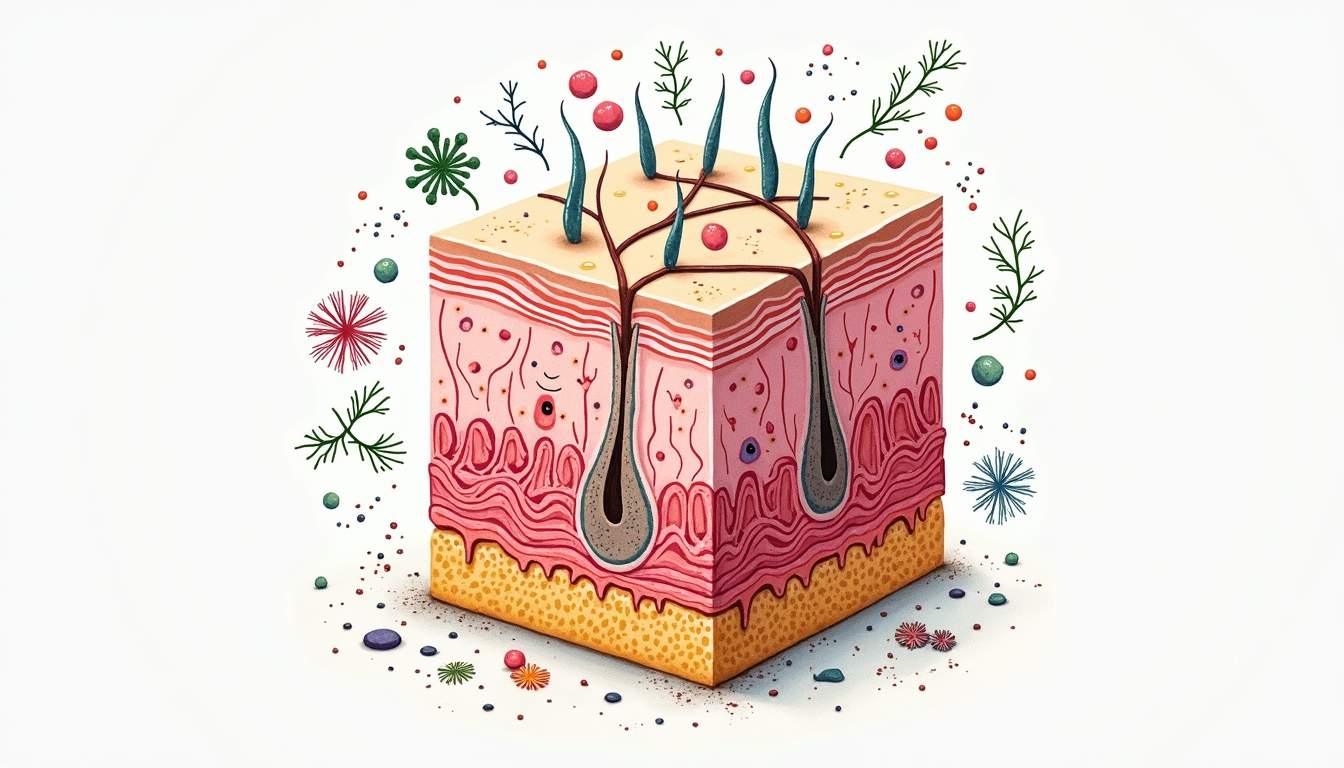
Skin Conditions
The skin biome is the diverse community of microorganisms—including bacteria, fungi, viruses, and mites—that live on and within the skin and interact with each other and the host to influence skin health and disease.
Skin Conditions
Learn More →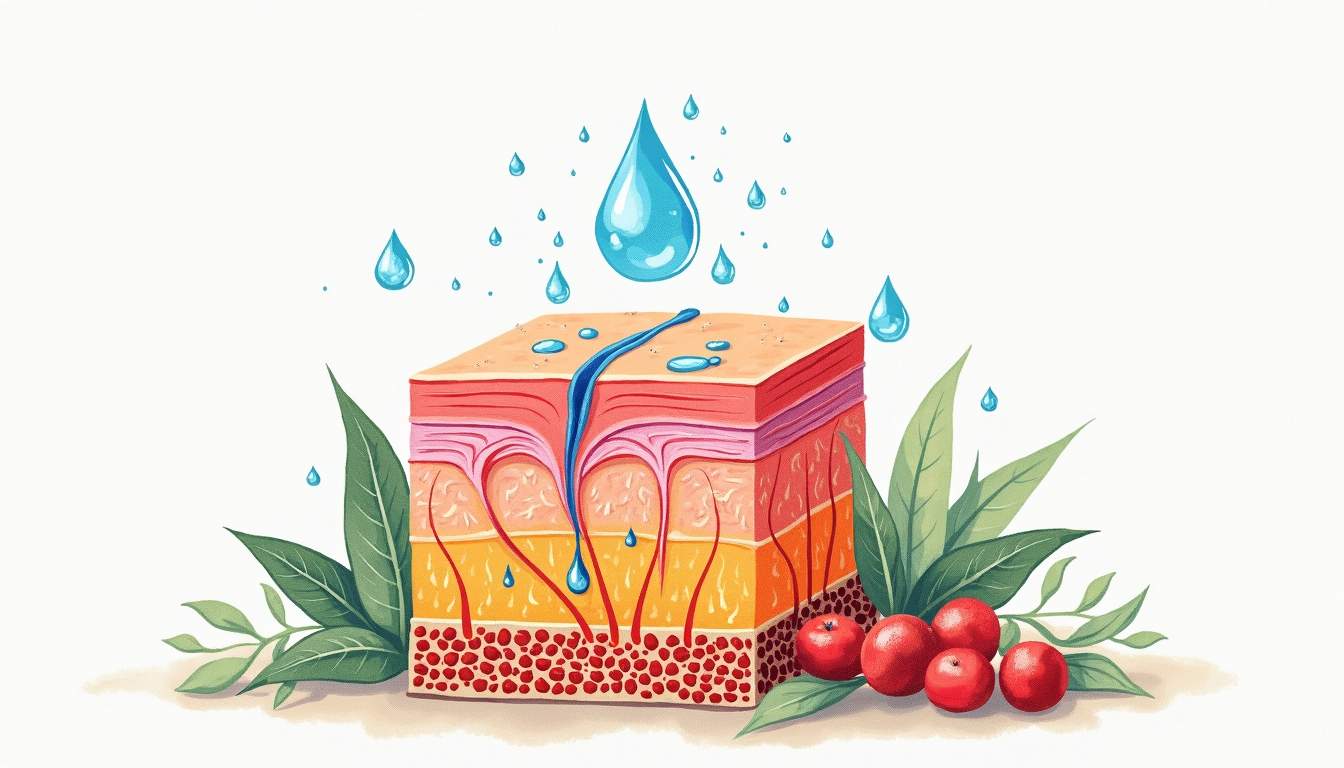
Treatments
The process of maintaining or restoring the skin’s moisture balance to support barrier function, elasticity, and overall health.
Treatments
Learn More →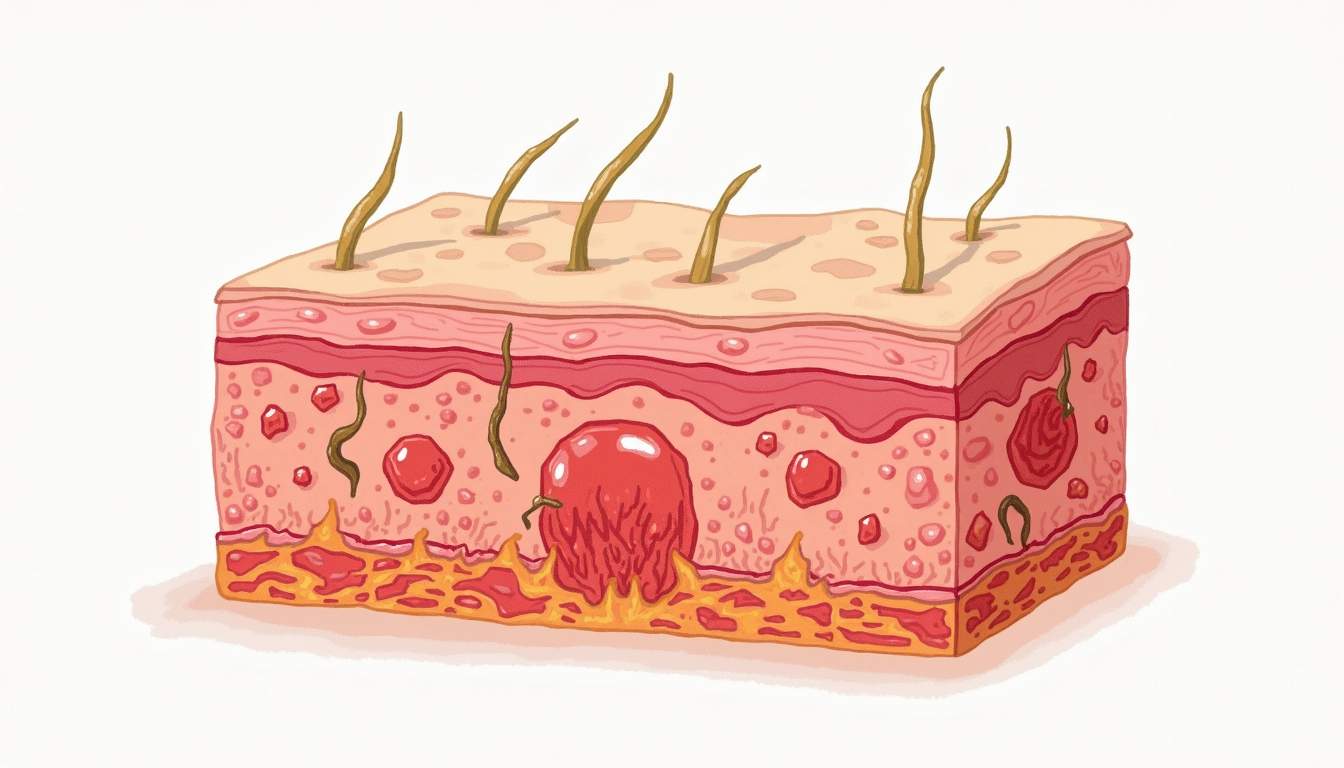
Skin Conditions
A chronic inflammatory skin condition marked by dry, itchy, red, and sometimes oozing or scaly patches, often triggered by genetic, immune, and environmental factors.
Skin Conditions
Learn More →
Skin Conditions
A common skin condition characterized by darkened patches or spots caused by excess melanin production due to factors such as sun exposure, inflammation, hormonal changes, or injury.
Skin Conditions
Learn More →
Skin Conditions
A common dermatologic condition characterized by abnormally dry, rough, scaly, and often itchy skin due to decreased water content in the stratum corneum.
Skin Conditions
Learn More →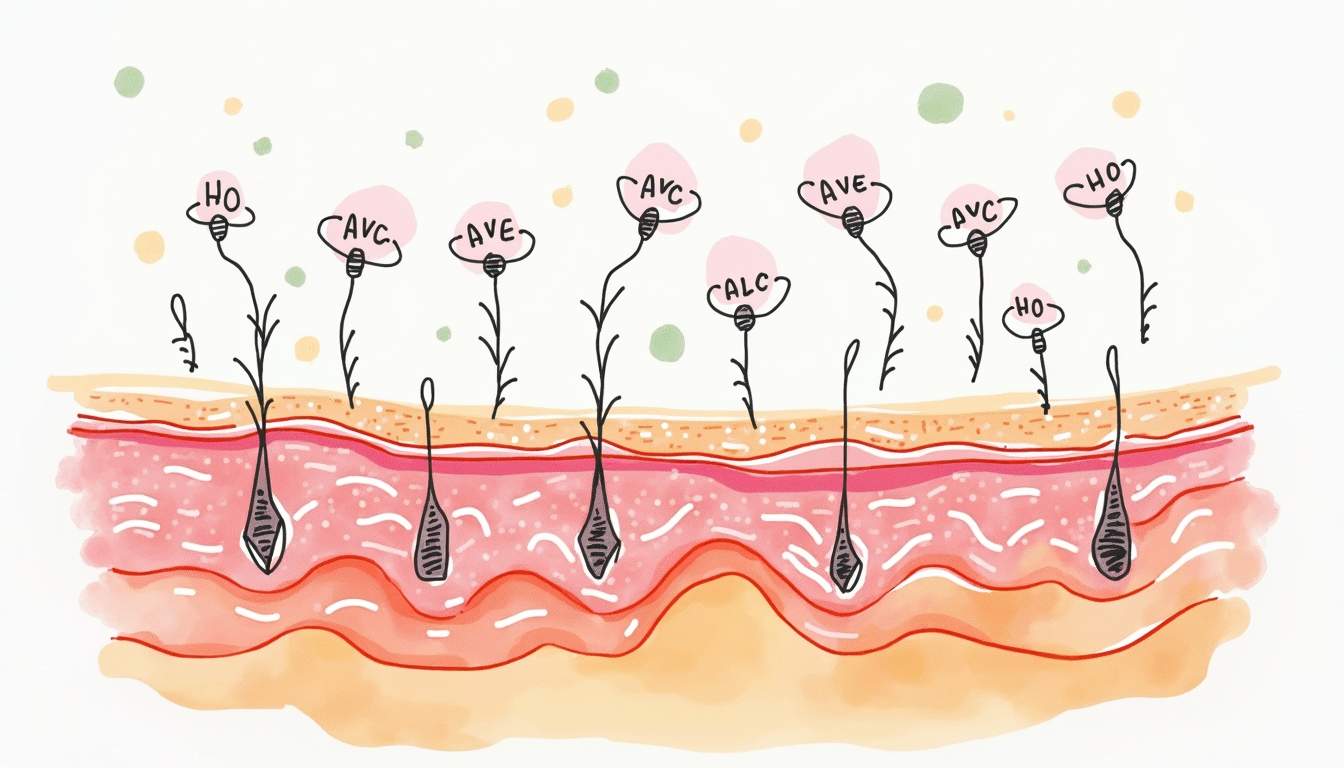
Treatments
Retinoids are vitamin A–derived compounds used in dermatology to regulate skin cell turnover, treat acne, and reduce signs of aging.
Treatments
Learn More →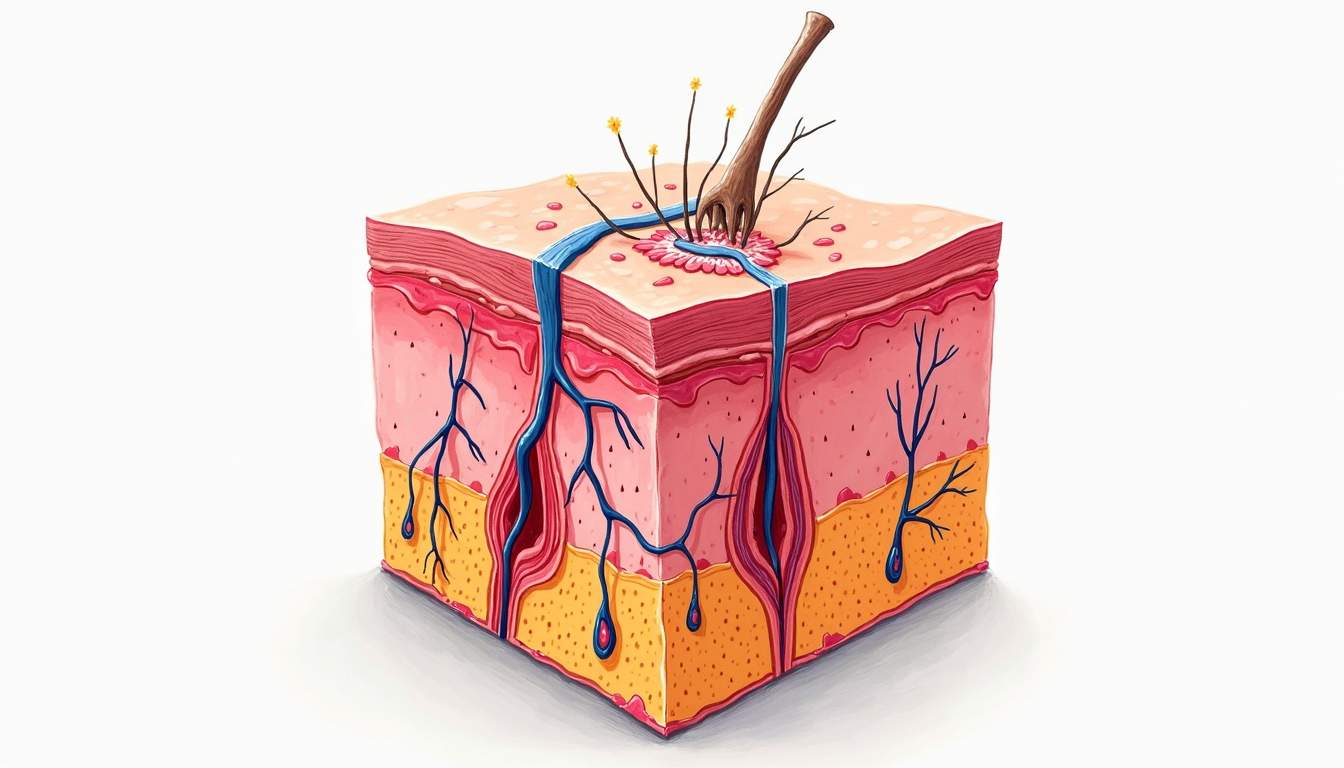
Treatments
The process by which the body repairs damaged tissue through a coordinated sequence of hemostasis, inflammation, proliferation, and remodeling to restore tissue integrity and function.
Treatments
Learn More →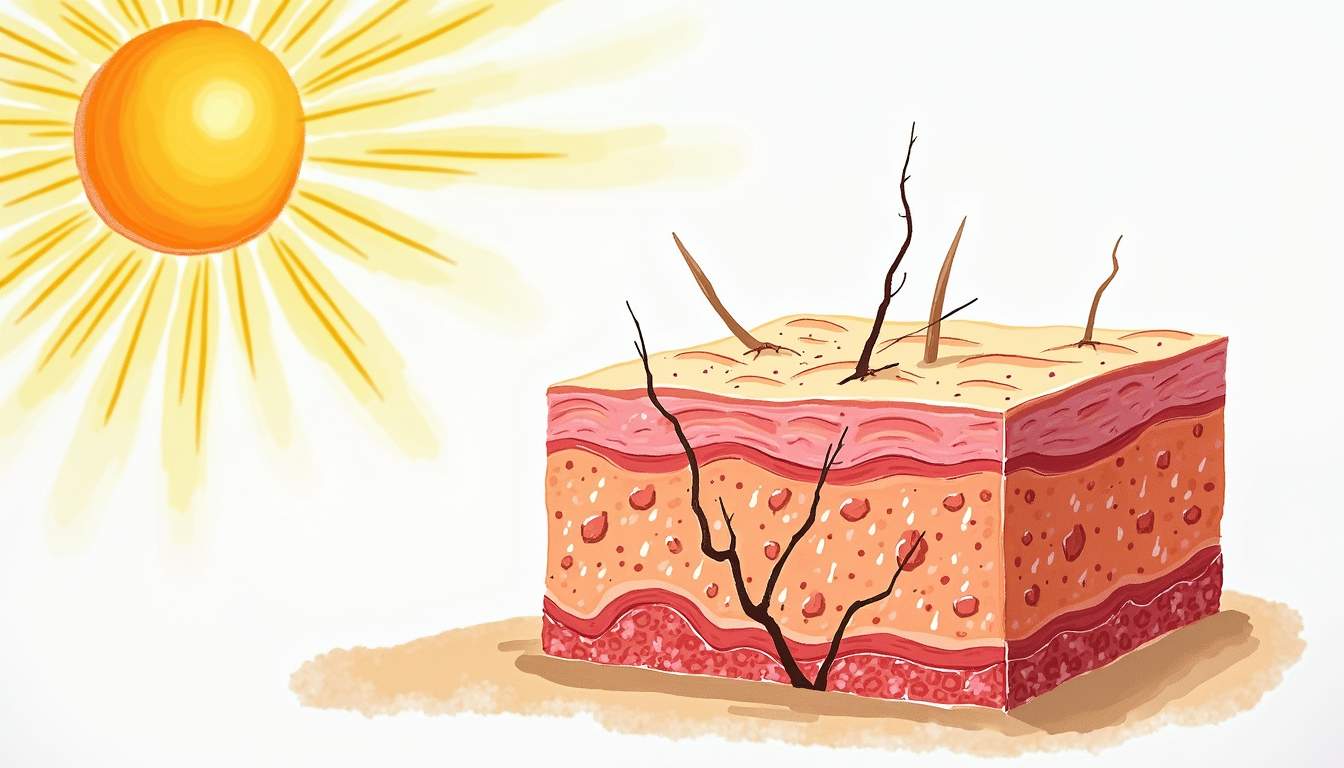
Skin Conditions
A rough, scaly patch on sun-damaged skin caused by long-term ultraviolet exposure that is considered a precancerous lesion with potential to progress to squamous cell carcinoma.
Skin Conditions
Learn More →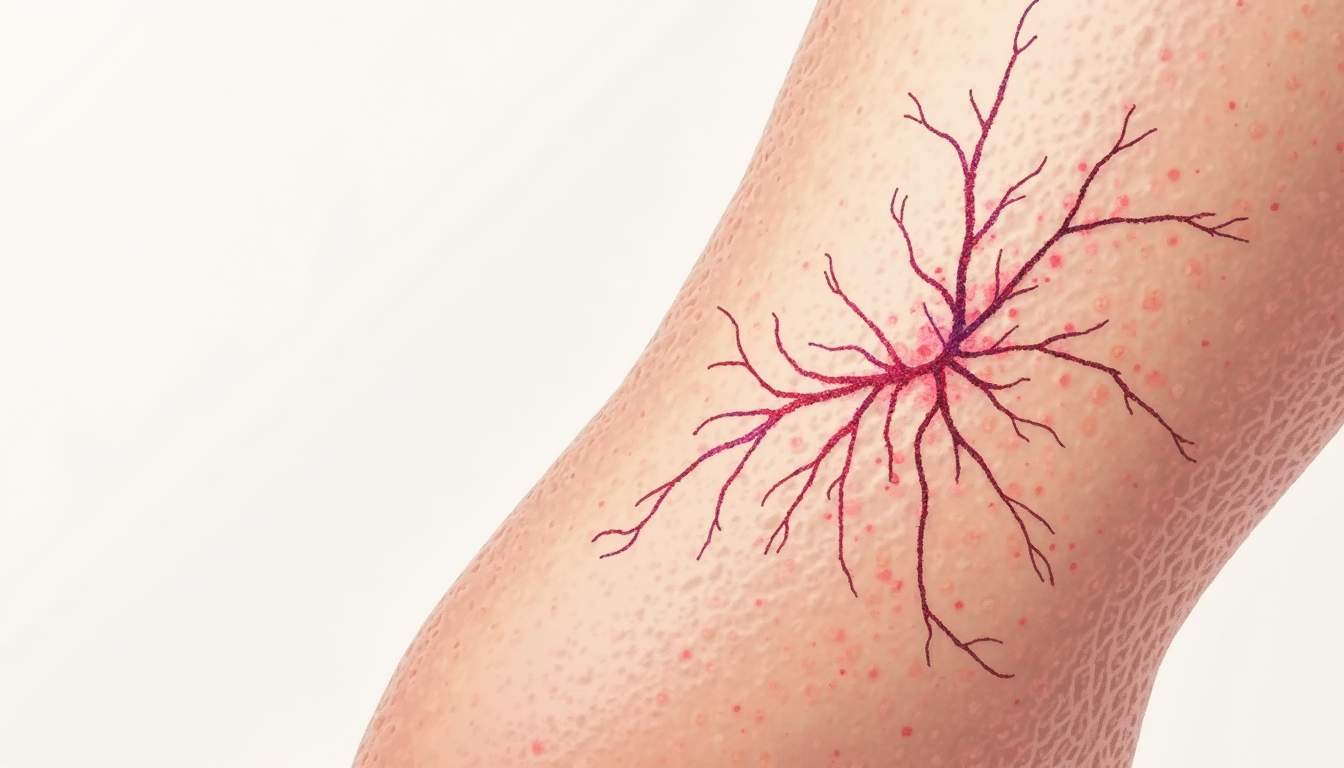
Skin Conditions
Telangiectasia are small, dilated blood vessels near the surface of the skin or mucous membranes that appear as fine red or purple lines.
Skin Conditions
Learn More →
Treatments
A medical and cosmetic technique that uses concentrated beams of light to diagnose or treat tissues for therapeutic, surgical, or aesthetic purposes.
Treatments
Learn More →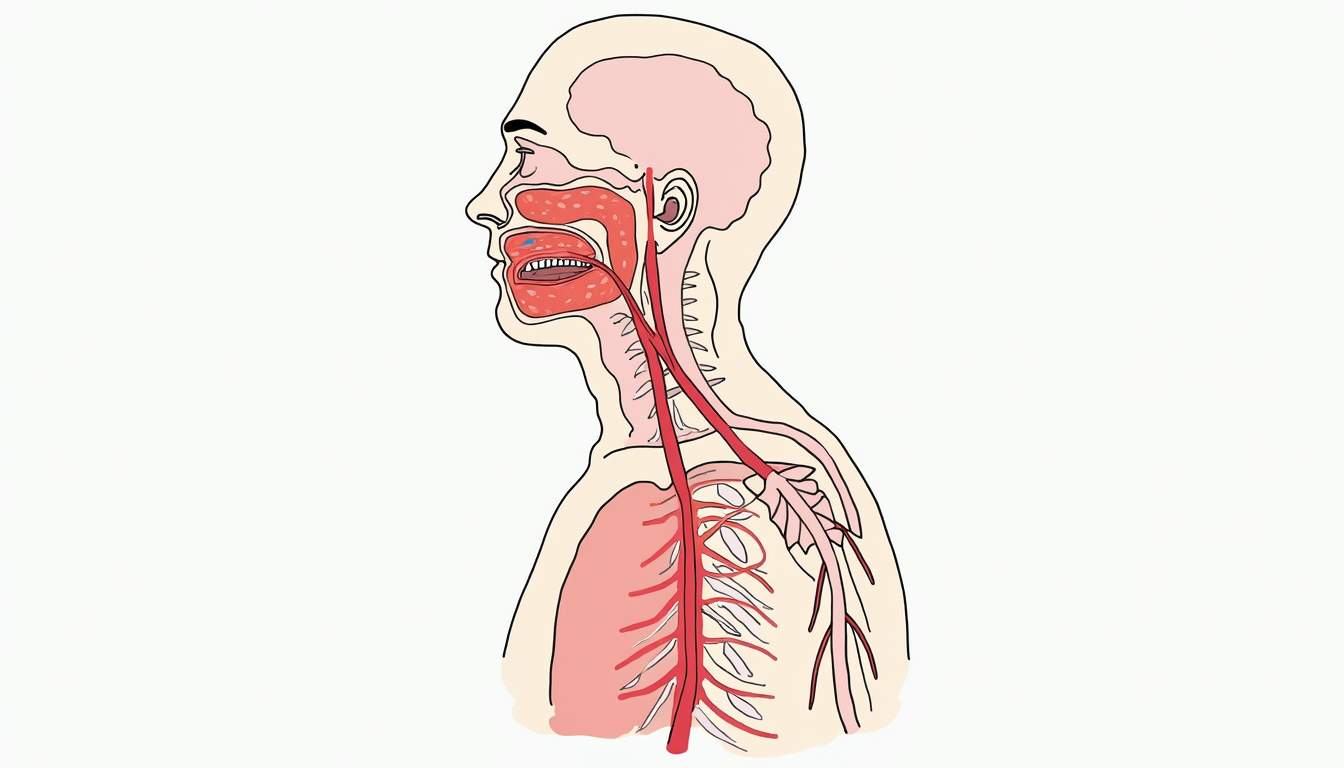
Treatments
The process by which the lymphatic system transports lymph fluid to remove excess tissue fluid, cellular waste, and pathogens, supporting immune function and maintaining fluid balance.
Treatments
Learn More →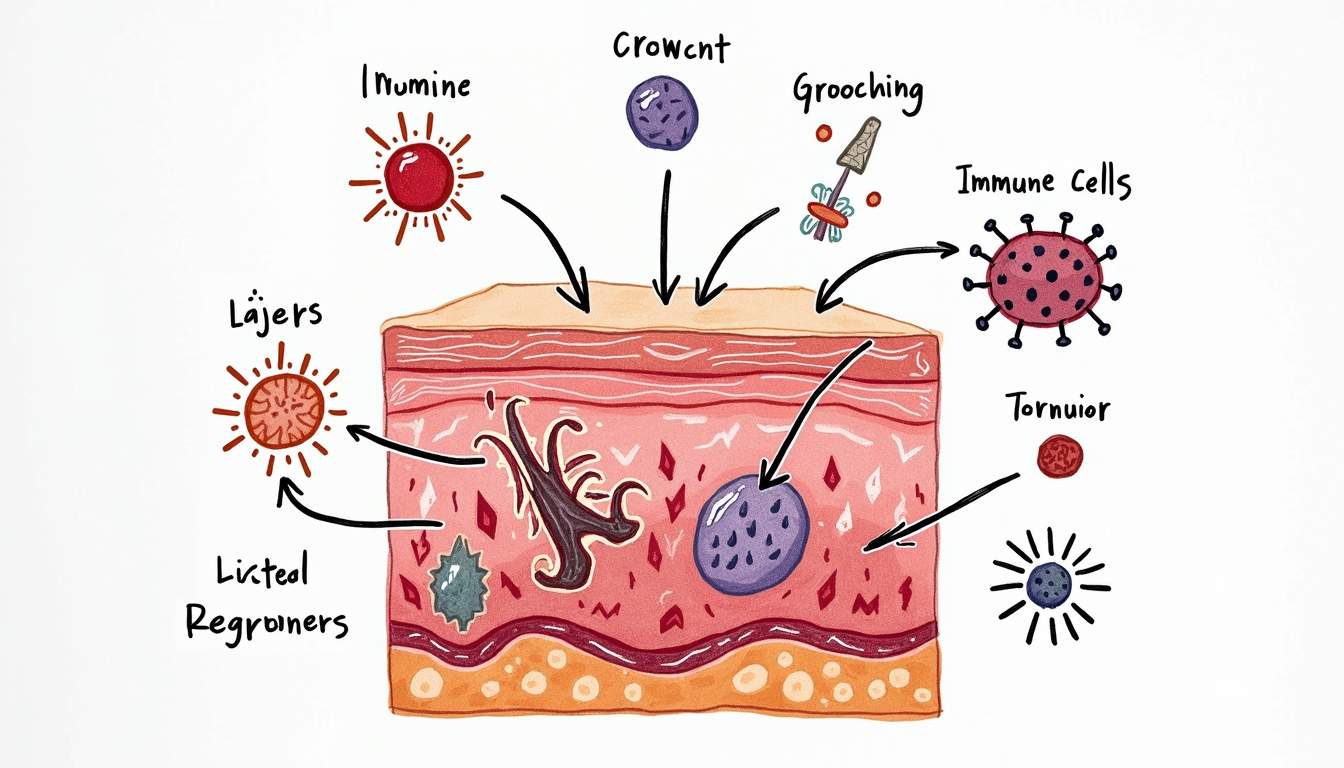
Autoimmune Conditions
The immune response is the body's coordinated cellular and molecular defense system that detects, targets, and eliminates pathogens and abnormal cells while maintaining tolerance to self.
Autoimmune Conditions
Learn More →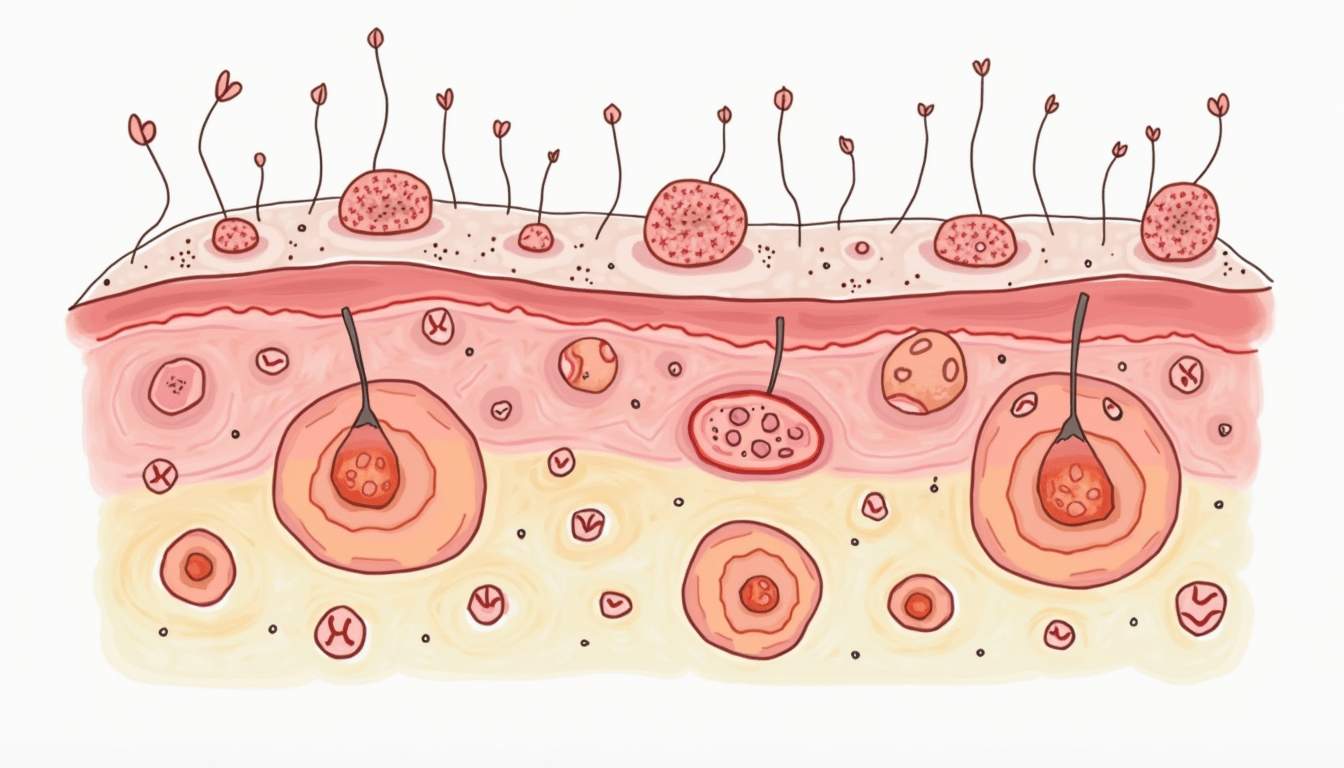
Skin Conditions
Small, inflamed, raised skin lesions filled with pus, often resulting from infection or inflammatory conditions such as acne or folliculitis.
Skin Conditions
Learn More →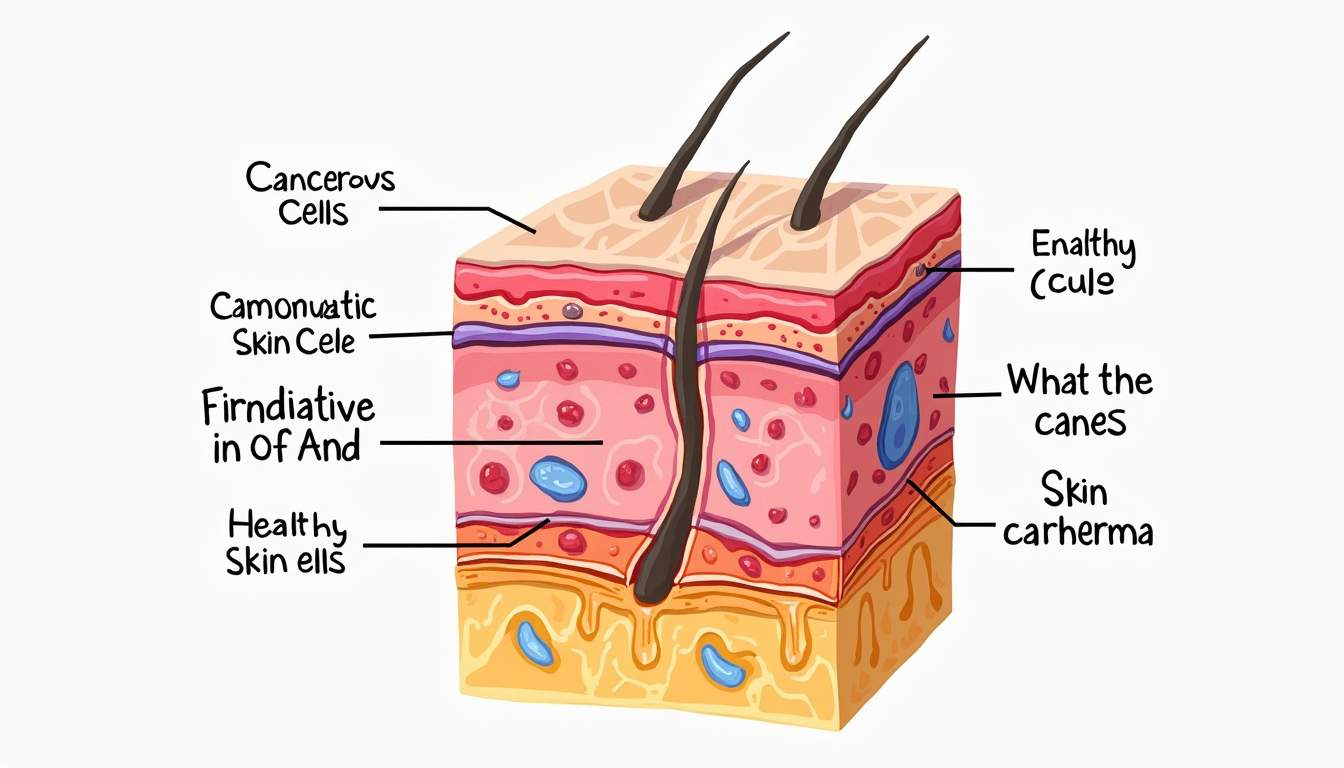
Skin Cancer
A common, slow-growing form of skin cancer originating from basal cells in the epidermis that typically causes local tissue destruction but rarely metastasizes.
Skin Cancer
Learn More →
Skin Conditions
A highly elastic connective tissue protein that provides resilience and recoil to skin, lungs, blood vessels, and other tissues by allowing them to stretch and return to their original shape.
Skin Conditions
Learn More →
Skin Cancer
A serious form of skin cancer that develops from melanocytes, often appearing as a changing or irregular mole and linked to ultraviolet light exposure and genetic risk factors.
Skin Cancer
Learn More →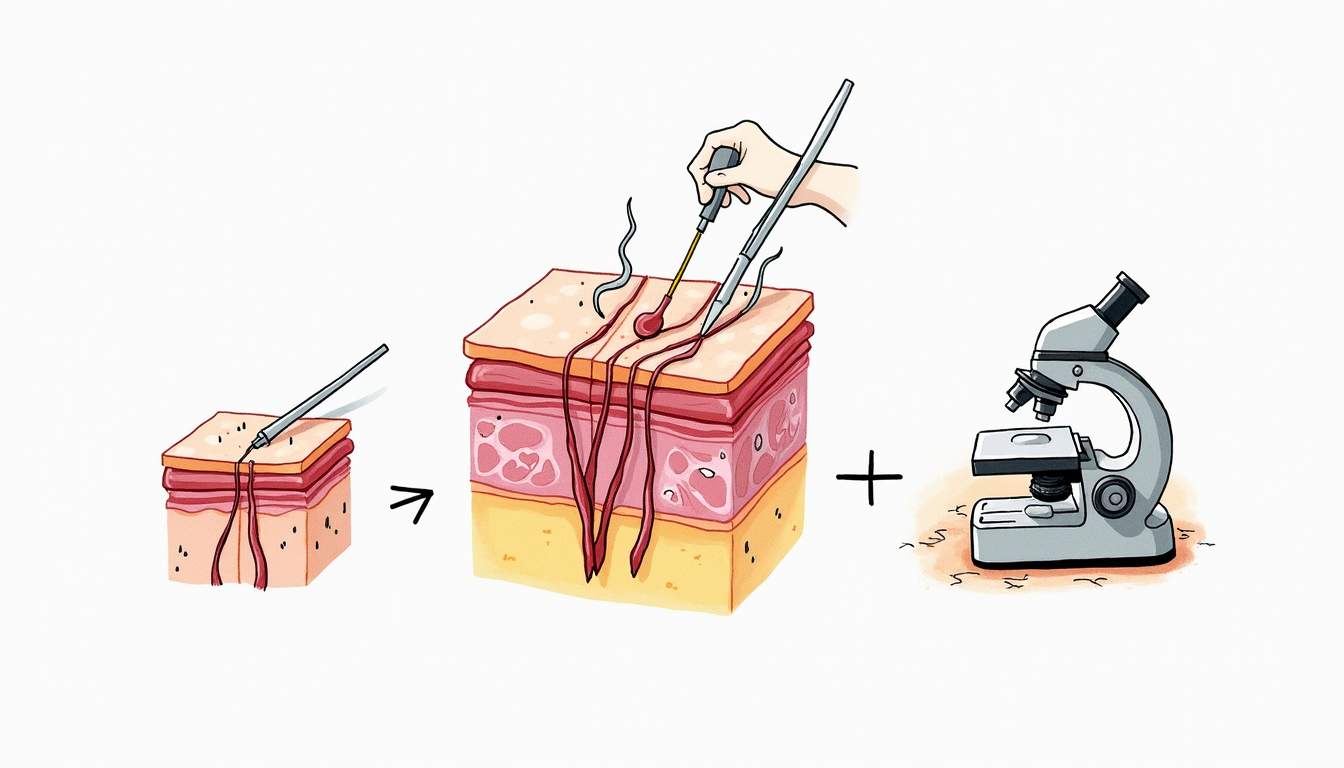
Procedures
A precise, tissue-sparing surgical technique for removing skin cancers by excising tumors in stages and examining each layer microscopically until margins are clear.
Procedures
Learn More →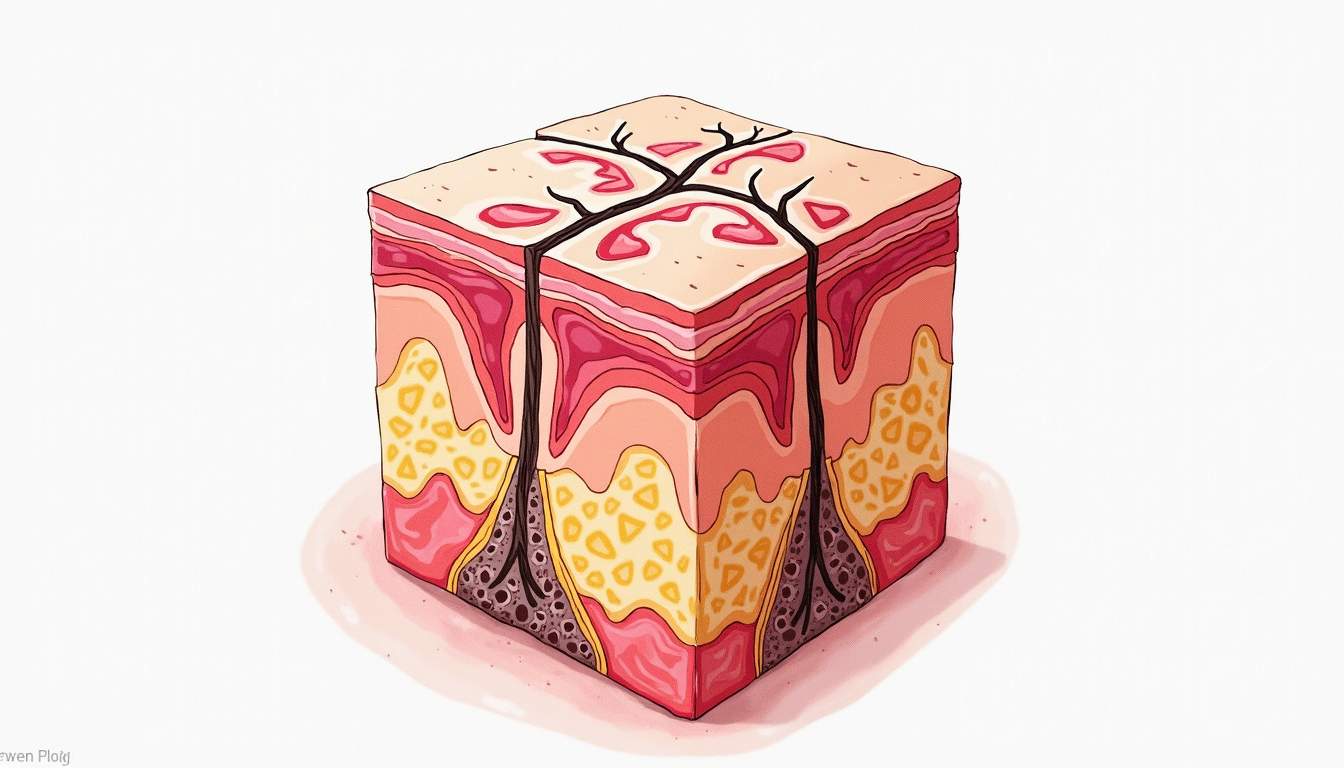
Skin Conditions
A chronic immune-mediated skin condition characterized by red, scaly, often itchy or painful plaques caused by accelerated keratinocyte turnover and inflammation.
Skin Conditions
Learn More →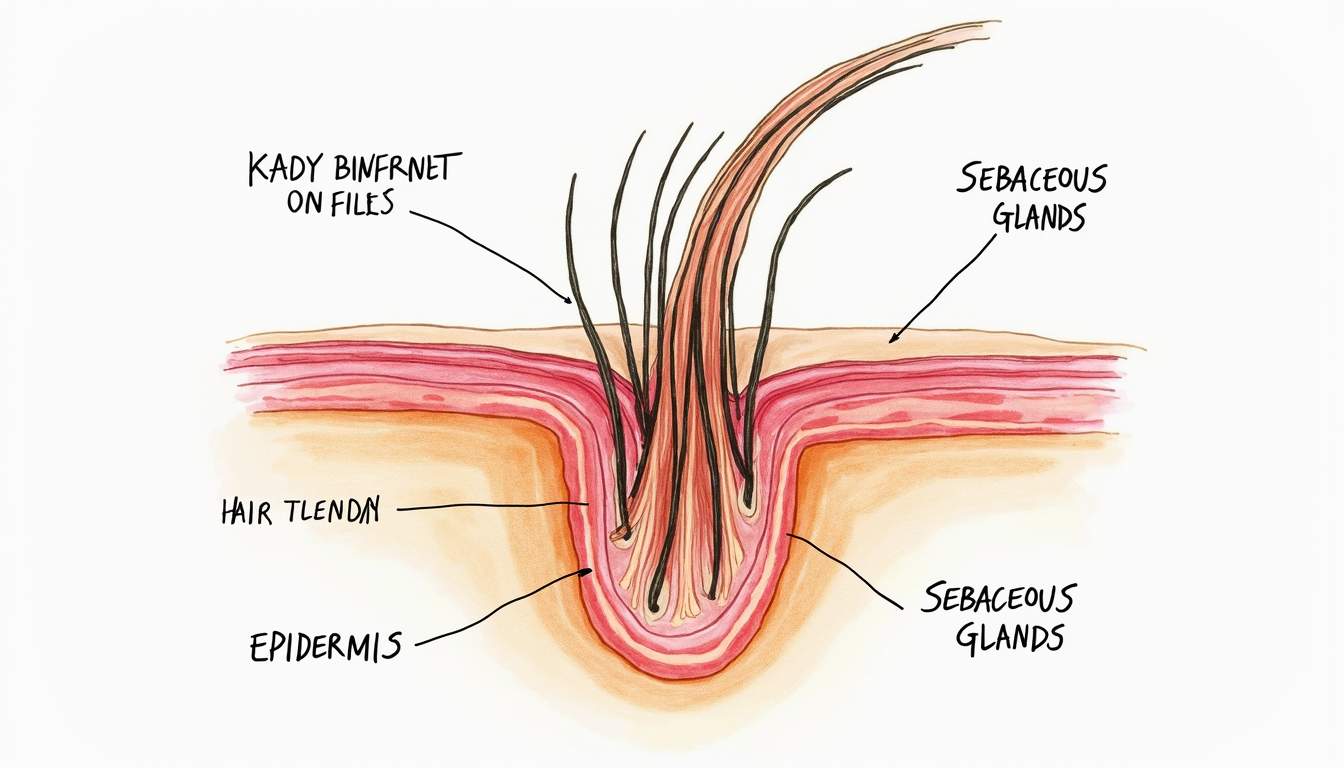
Procedures
A noninvasive diagnostic technique using dermoscopy to visualize hair and scalp structures for evaluation and diagnosis of hair and scalp disorders.
Procedures
Learn More →
Treatments
Drugs that block histamine receptors to prevent or relieve allergic symptoms such as sneezing, itching, runny nose, and hives.
Treatments
Learn More →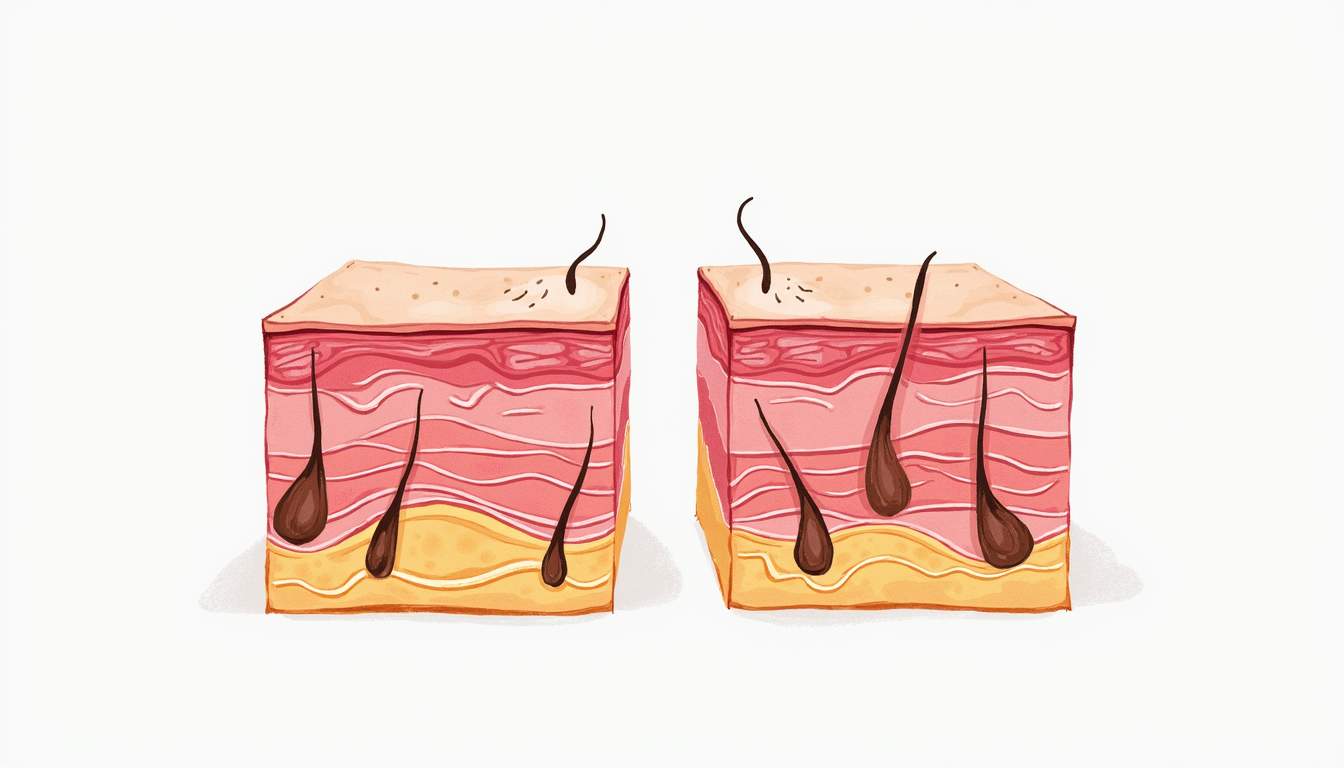
Skin Conditions
The gradual biological and structural changes in the skin over time caused by intrinsic aging and external factors like UV exposure, resulting in wrinkles, loss of elasticity, thinning, and uneven pigmentation.
Skin Conditions
Learn More →
Skin Conditions
A localized, delayed hypersensitivity skin reaction caused by contact with an allergen, resulting in redness, itching, swelling, and sometimes blisters.
Skin Conditions
Learn More →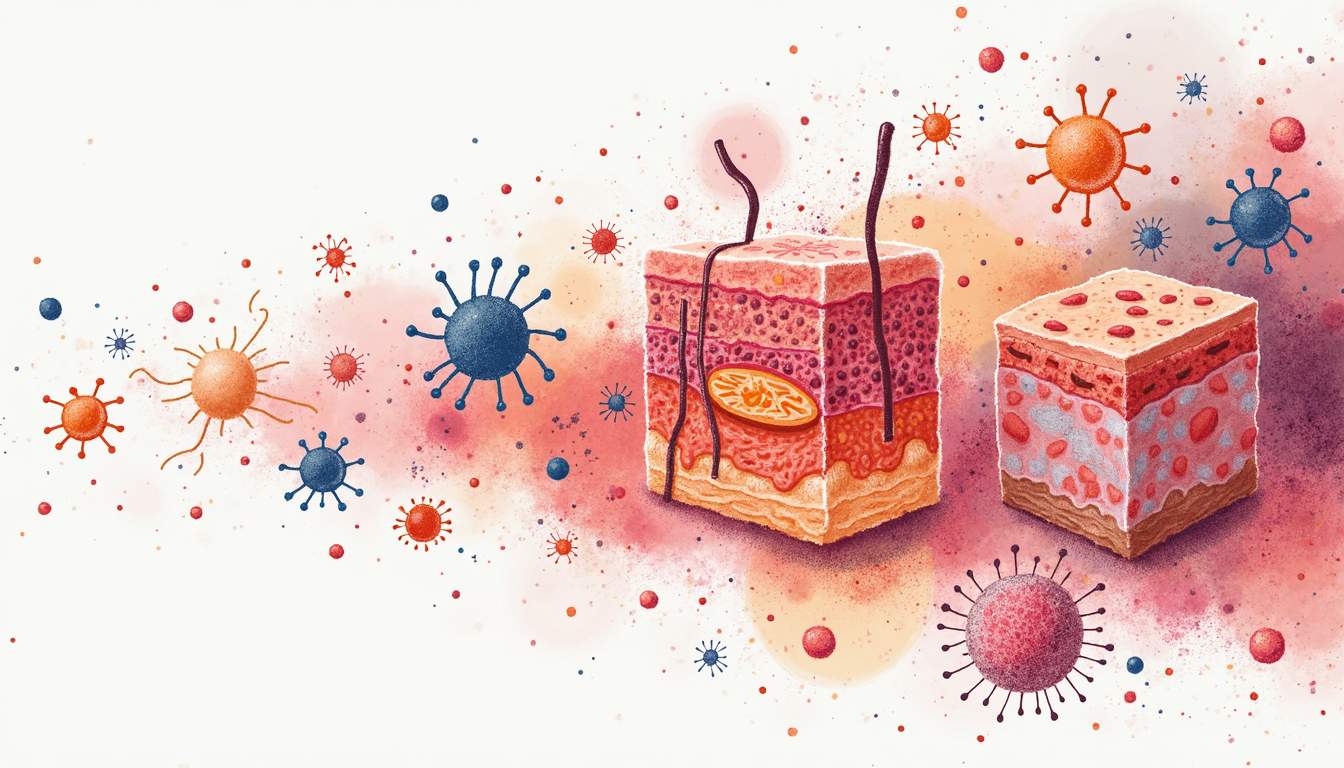
Autoimmune Conditions
A group of skin conditions caused by abnormal immune system activity that leads to inflammation, tissue damage, and varying clinical manifestations such as rashes, blisters, or chronic lesions.
Autoimmune Conditions
Learn More →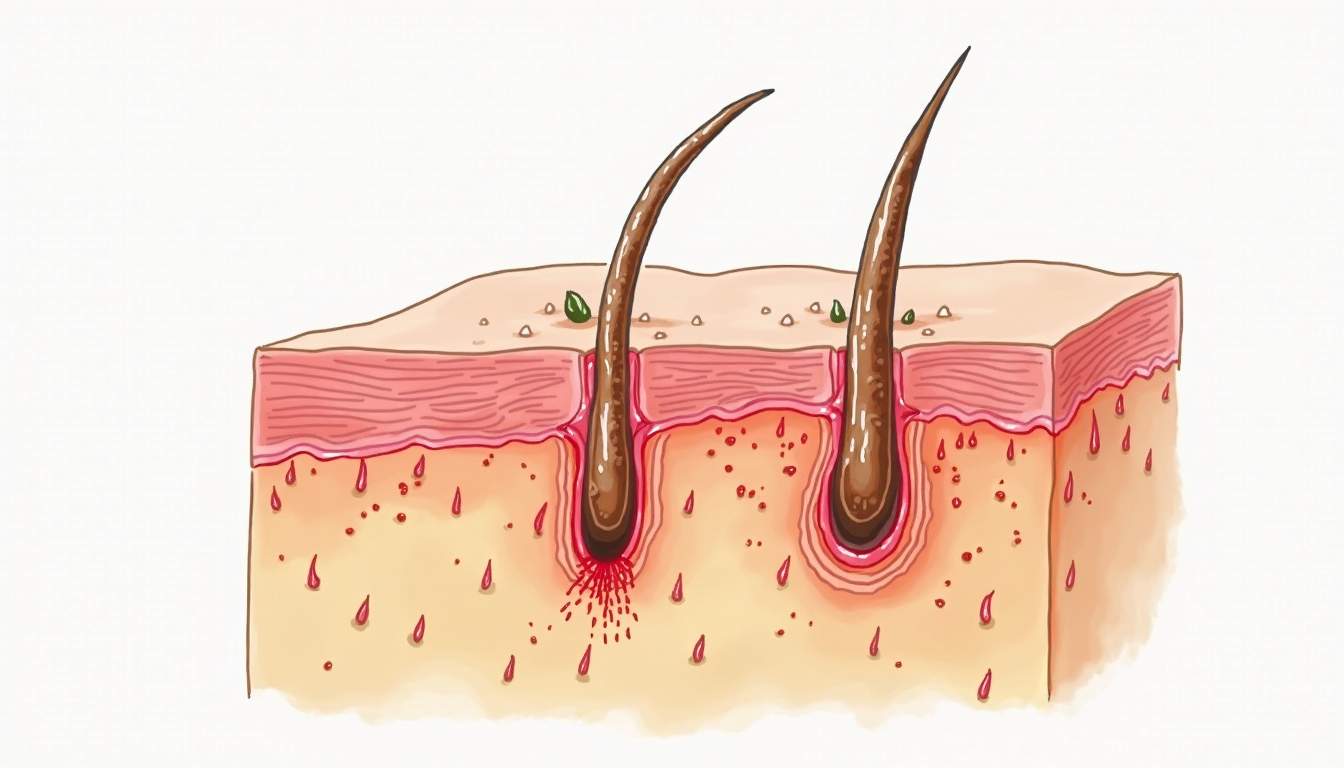
Skin Conditions
Inflammation or infection of one or more hair follicles causing small red bumps or pustules, often due to bacteria, fungi, irritation, or shaving.
Skin Conditions
Learn More →
Treatments
Targeted biological therapies that use engineered proteins or antibodies to modulate specific immune pathways for treating inflammatory and immune-mediated skin diseases.
Treatments
Learn More →
Skin Conditions
A superficial fungal infection of the skin caused by Malassezia species that produces small, discolored, mildly scaly patches typically on the trunk and upper arms.
Skin Conditions
Learn More →
Treatments
A set of treatments and practices aimed at restoring the skin's appearance, texture, and vitality by promoting cell turnover, collagen production, and repair.
Treatments
Learn More →
Procedures
Injectable substances used to restore facial volume, smooth wrinkles, and enhance contours by filling soft tissue beneath the skin.
Procedures
Learn More →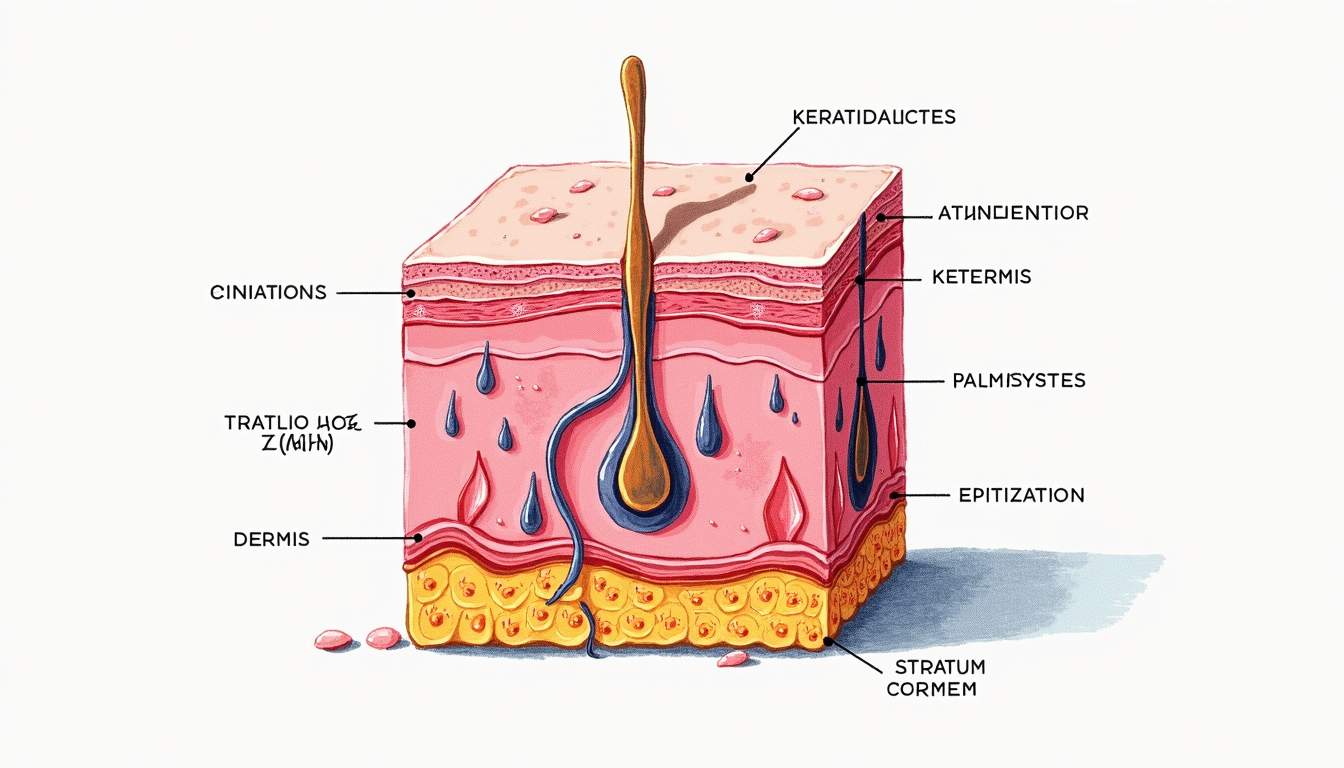
Skin Conditions
The primary epidermal cells that produce keratin, form the skin’s protective barrier, and participate in wound healing and immune signaling.
Skin Conditions
Learn More →
Skin Conditions
Skin injury caused by cumulative exposure to ultraviolet and other forms of light, leading to DNA damage, collagen breakdown, pigmentation changes, premature aging, and increased skin cancer risk.
Skin Conditions
Learn More →
Procedures
The study of the mechanical properties and behavior of skin, including how it deforms, withstands forces, and interacts with underlying tissues and biomedical devices.
Procedures
Learn More →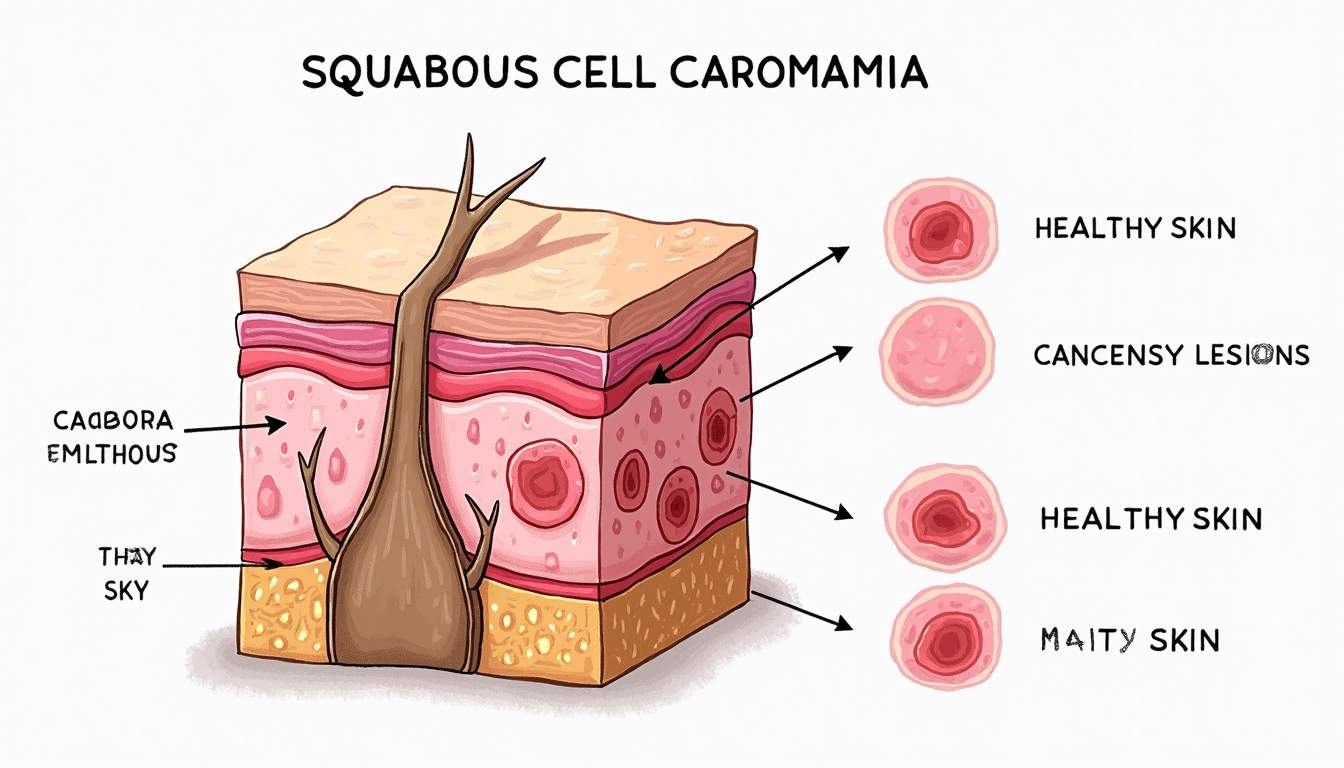
Skin Cancer
A common type of skin cancer arising from the squamous cells of the epidermis that can invade local tissues and metastasize if untreated.
Skin Cancer
Learn More →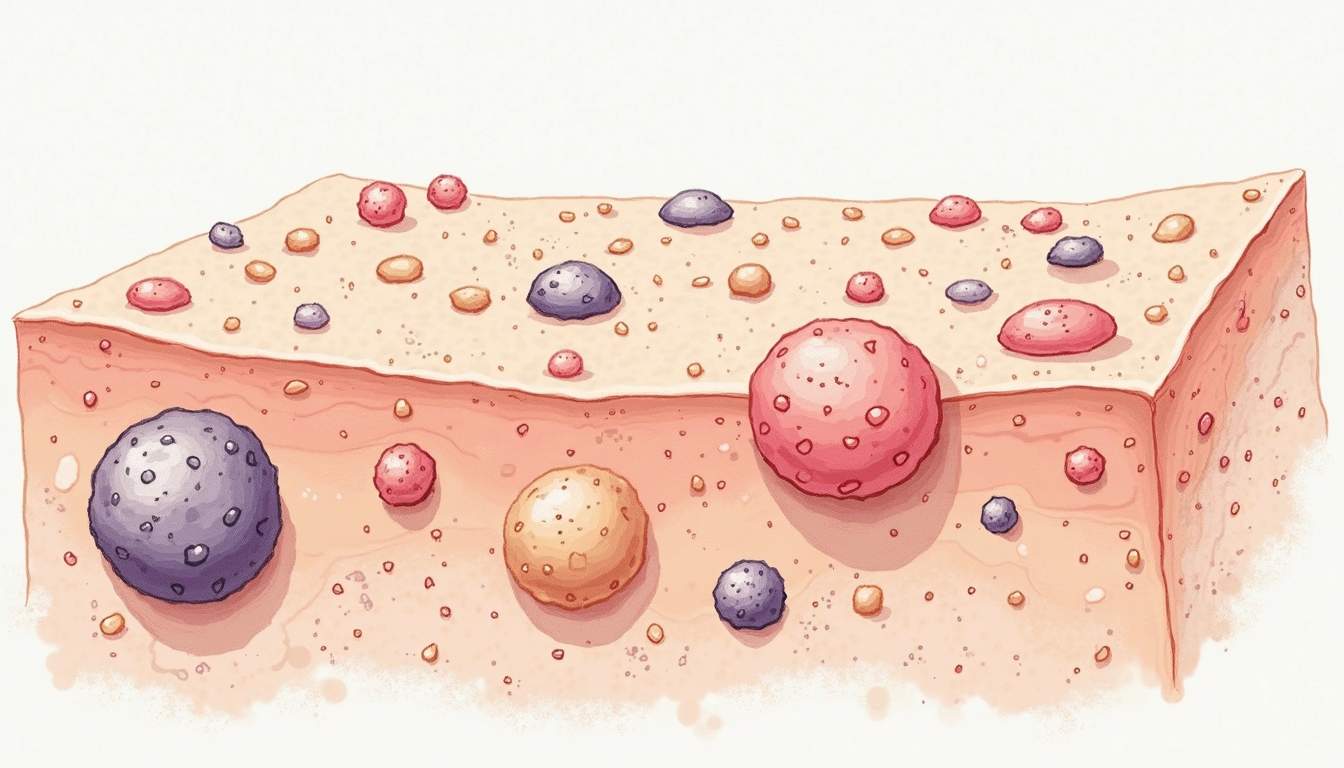
Skin Conditions
A nevus is a benign, typically pigmented skin lesion (mole) formed by a localized cluster of melanocytes that may be present at birth or develop later.
Skin Conditions
Learn More →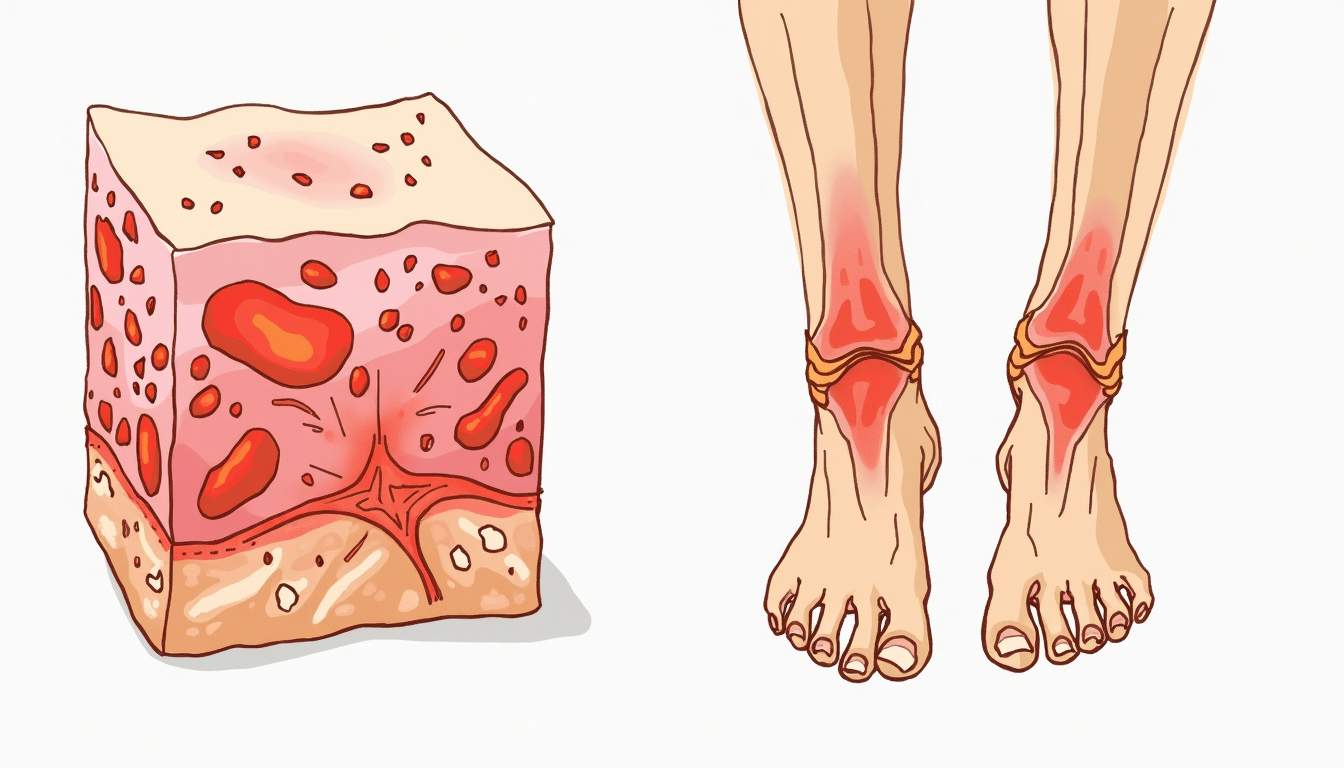
Autoimmune Conditions
A chronic inflammatory arthritis associated with psoriasis that causes joint pain, swelling, stiffness, and can lead to joint damage as well as skin and nail changes.
Autoimmune Conditions
Learn More →
Skin Conditions
A form of cutaneous mastocytosis characterized by brownish macules or papules caused by abnormal mast cell accumulation in the skin that can itch or form hives when rubbed.
Skin Conditions
Learn More →
Skin Conditions
A common benign skin growth that appears as waxy, wart-like, often pigmented "stuck-on" lesions, typically occurring in older adults.
Skin Conditions
Learn More →
Treatments
A topical product containing ingredients that absorb, reflect, or scatter ultraviolet (UV) radiation to protect the skin from sunburn, premature aging, and increased skin cancer risk.
Treatments
Learn More →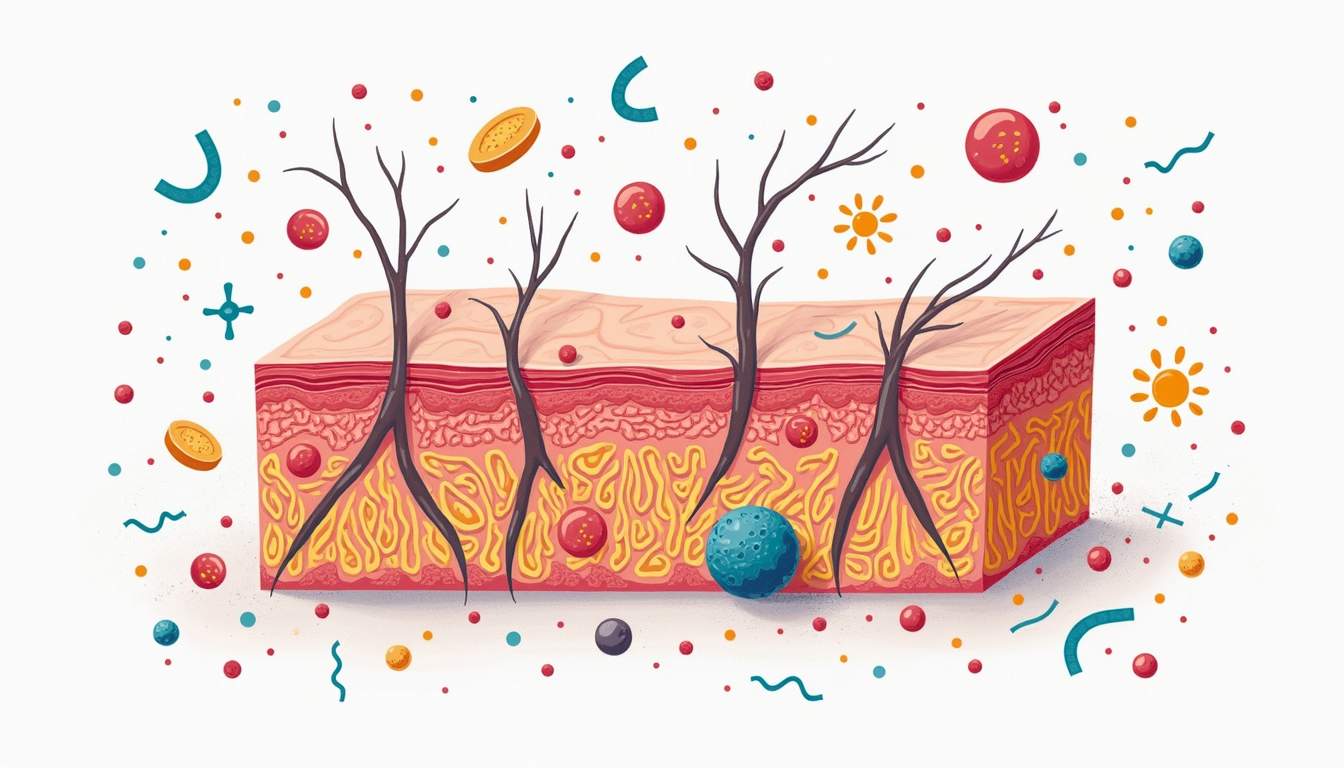
Autoimmune Conditions
An autoimmune connective tissue disease characterized by skin thickening and hardening due to excess collagen deposition that can also affect blood vessels and internal organs.
Autoimmune Conditions
Learn More →
Procedures
Procedures and treatments aimed at reducing skin laxity and improving firmness by stimulating collagen and elastin production or mechanically tightening the skin.
Procedures
Learn More →
Skin Conditions
A common, acute, self-limiting papulosquamous skin eruption—likely viral—characterized by a single “herald” patch followed days later by a widespread, usually symmetrical, Christmas-tree–patterned rash on the trunk.
Skin Conditions
Learn More →
Skin Conditions
A common skin condition characterized by small, rough growths on the skin caused by infection with certain strains of the human papillomavirus (HPV).
Skin Conditions
Learn More →
Skin Conditions
A contagious skin infestation caused by the mite Sarcoptes scabiei that produces intense itching, a pimple-like rash, and burrow tracks on the skin.
Skin Conditions
Learn More →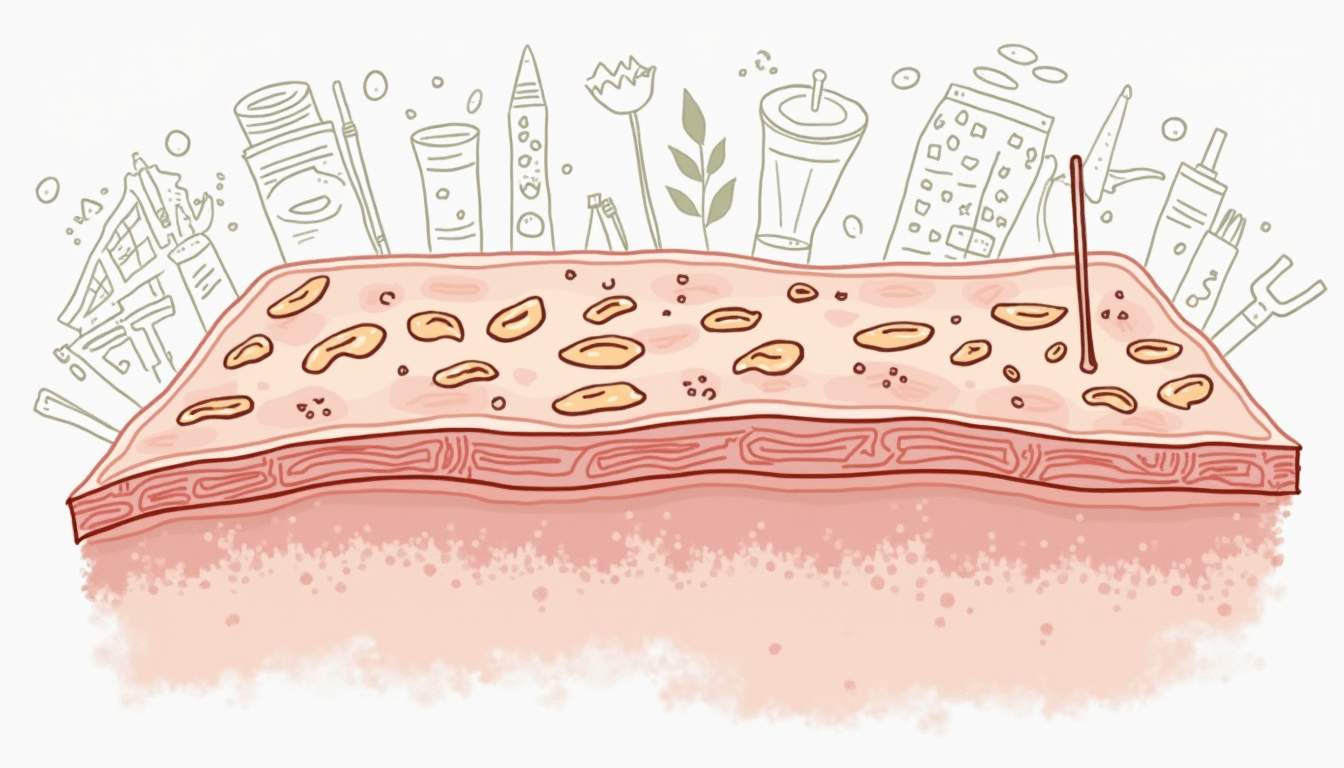
Skin Conditions
Wheals are transient, itchy, raised, erythematous skin lesions (hives) caused by localized dermal edema from histamine-mediated increased vascular permeability.
Skin Conditions
Learn More →
Skin Conditions
The epidermis is the outermost layer of the skin made of stratified epithelial cells that provides a protective barrier against environmental damage, pathogens, and water loss.
Skin Conditions
Learn More →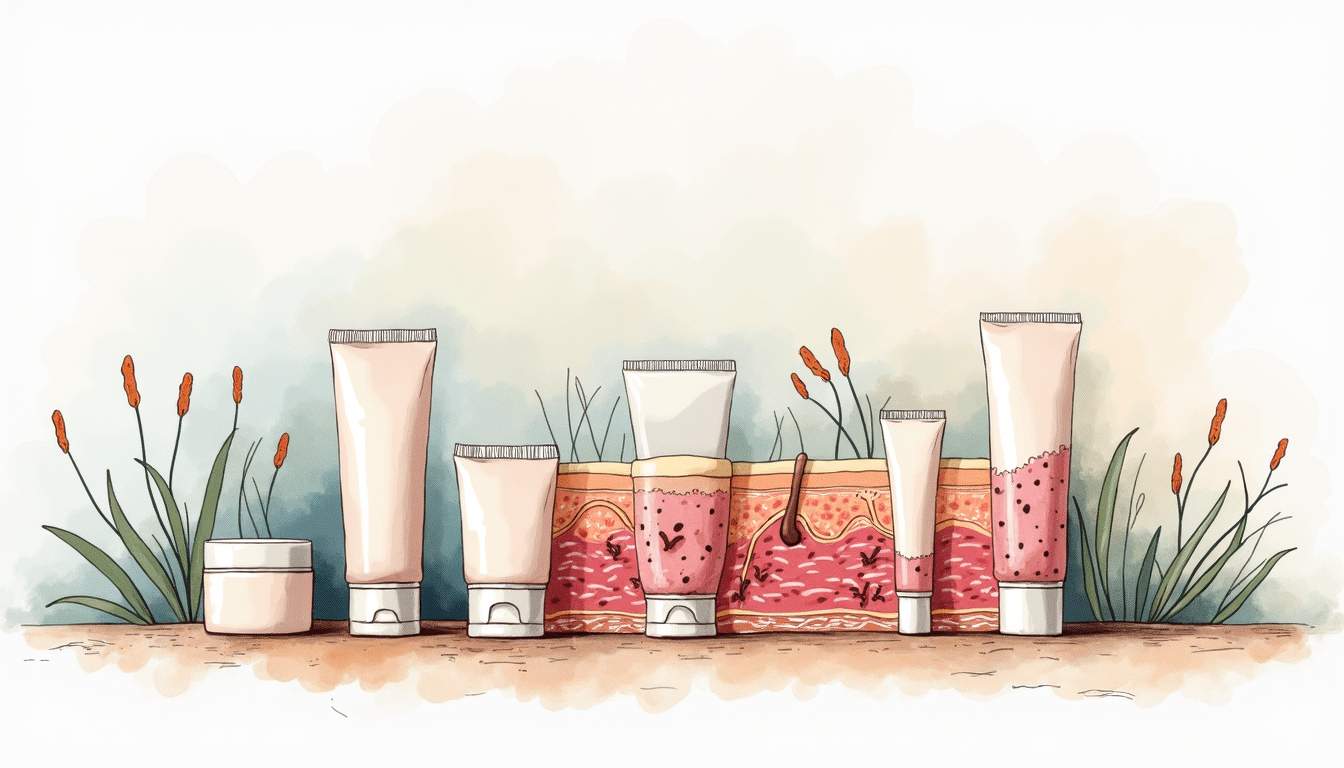
Treatments
Medications that mimic hormones produced by the adrenal cortex and are used to reduce inflammation and suppress the immune system for a variety of conditions.
Treatments
Learn More →
Treatments
Moisturizing agents that soften and soothe the skin by filling gaps between skin cells, restoring the skin barrier, and reducing water loss.
Treatments
Learn More →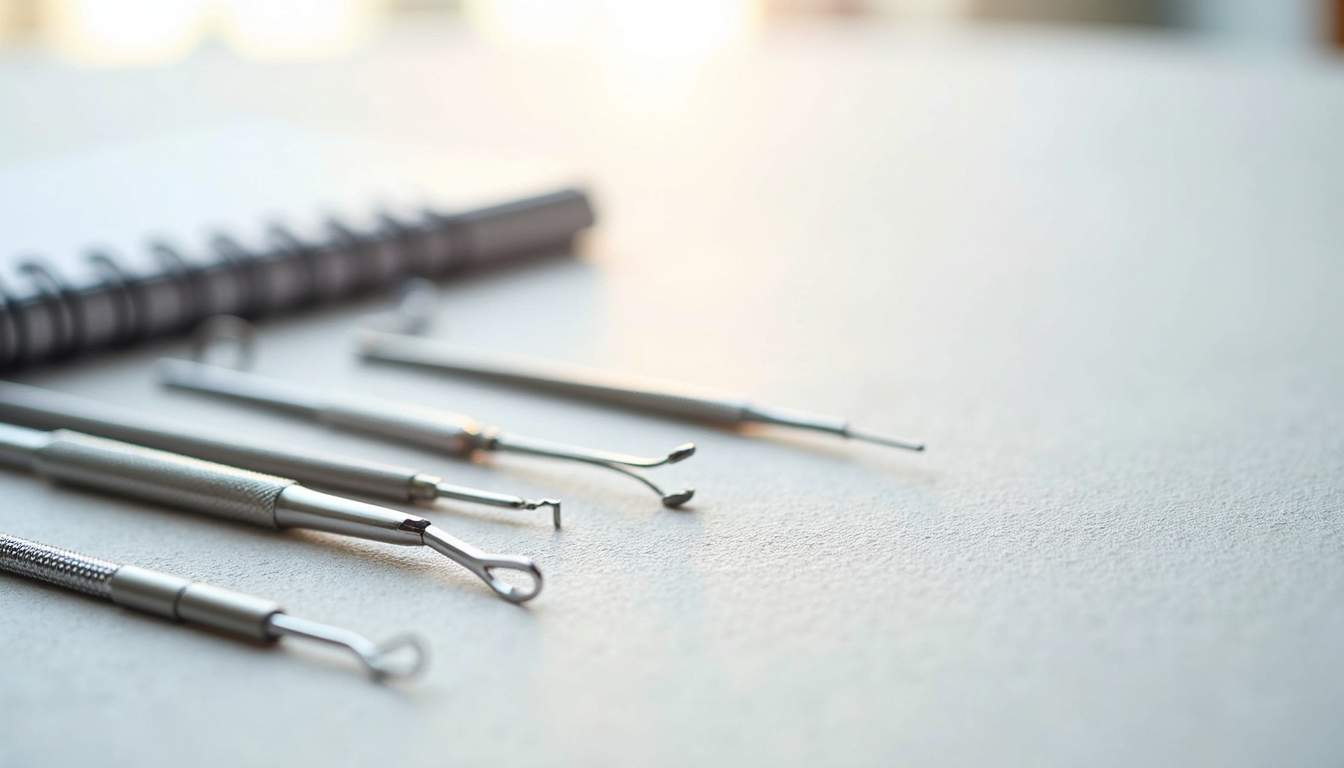
Procedures
An overview of the types, techniques, materials, and indications for placing and managing sutures in dermatologic practice.
Procedures
Learn More →
Skin Conditions
An inflammatory skin reaction caused by direct contact with irritants or allergens, typically presenting with redness, itching, and sometimes blisters or scaling.
Skin Conditions
Learn More →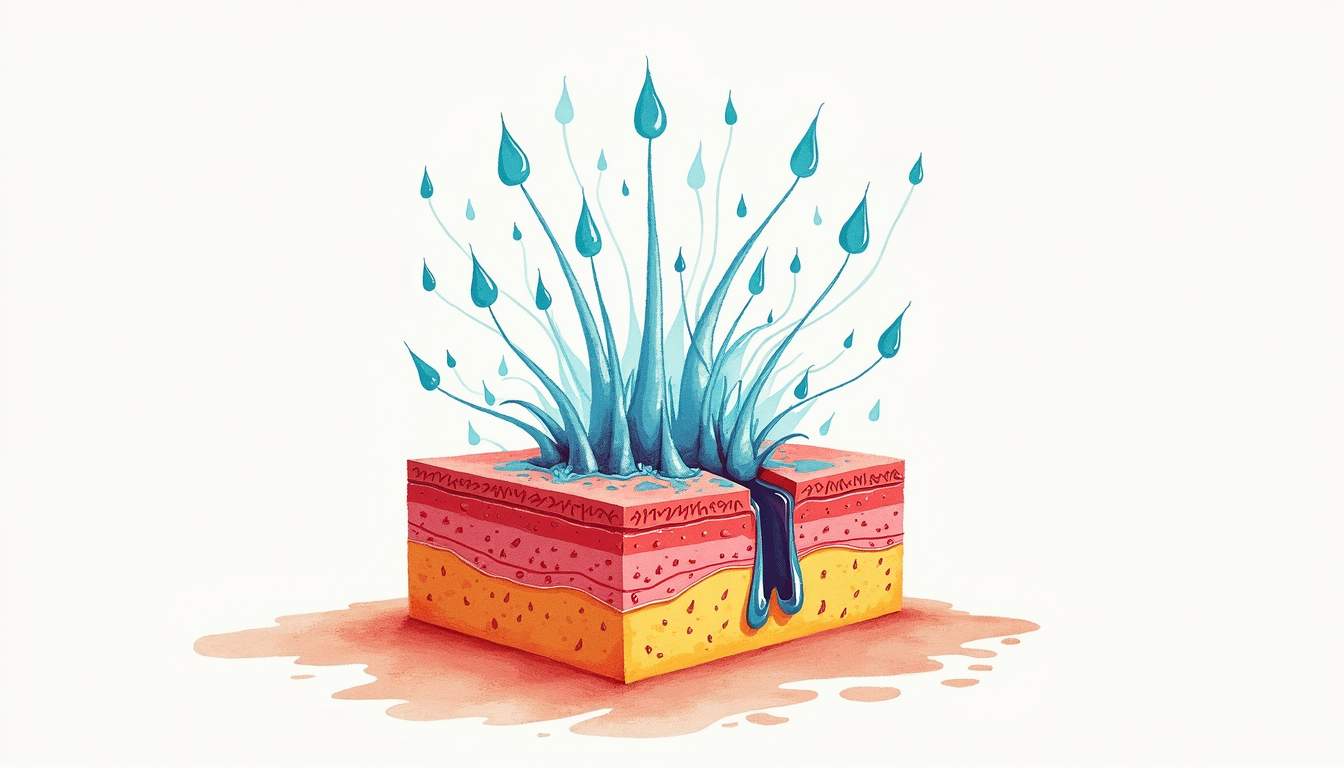
Skin Conditions
A medical condition characterized by excessive sweating that exceeds the body's thermoregulatory needs.
Skin Conditions
Learn More →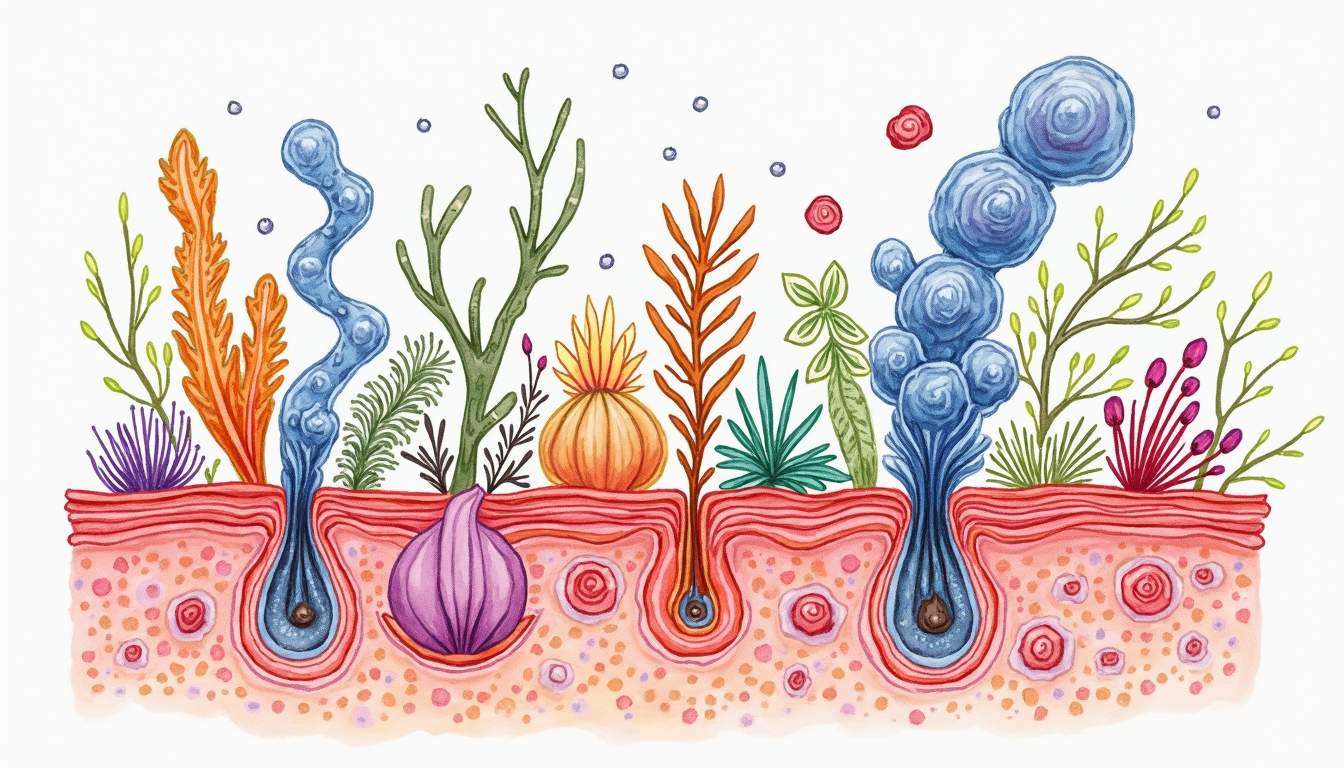
Skin Conditions
The community of microorganisms—bacteria, fungi, viruses and mites—that inhabit the skin and help protect against pathogens, modulate immunity, and maintain barrier and overall skin health.
Skin Conditions
Learn More →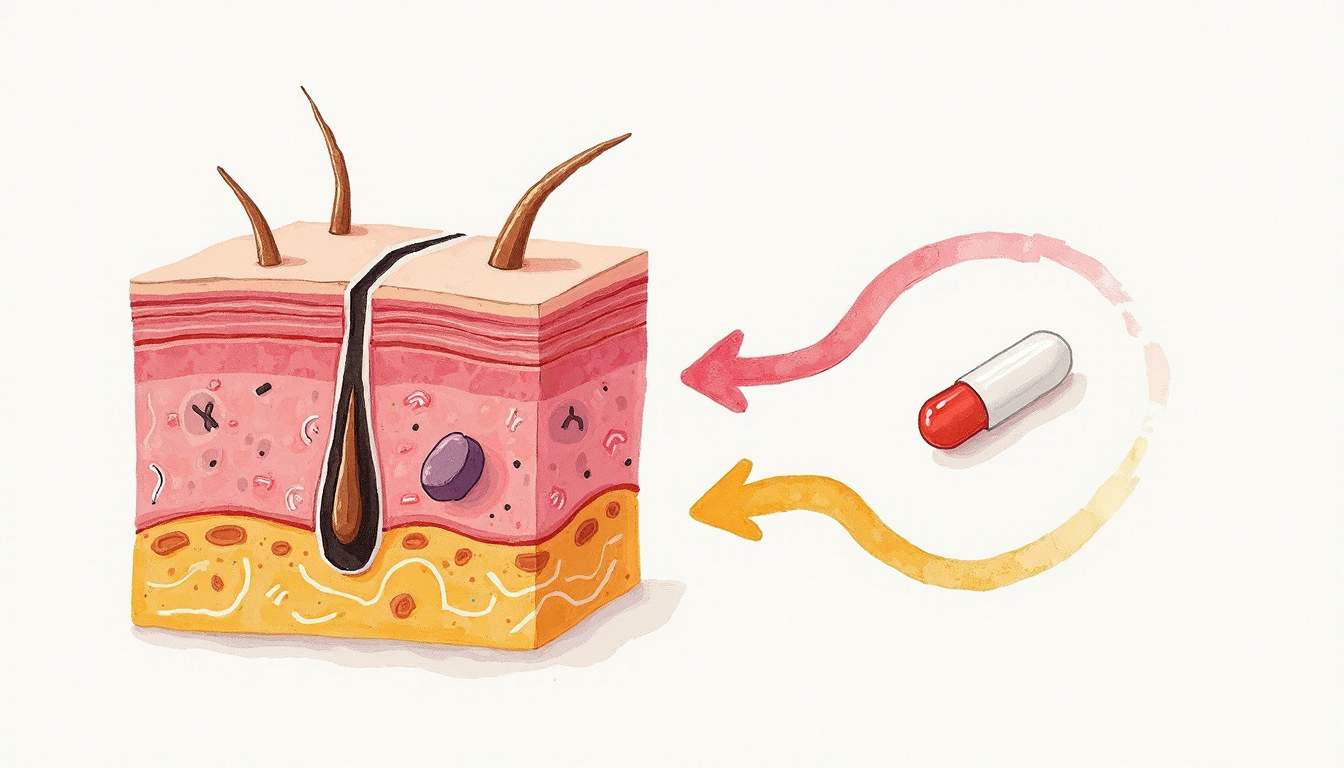
Treatments
A method of administering drugs through the skin so active ingredients are absorbed into local tissues or the bloodstream for therapeutic effect.
Treatments
Learn More →
Treatments
A therapeutic technique that uses extreme cold, applied locally or systemically, to reduce inflammation, relieve pain, and treat injuries or certain skin conditions.
Treatments
Learn More →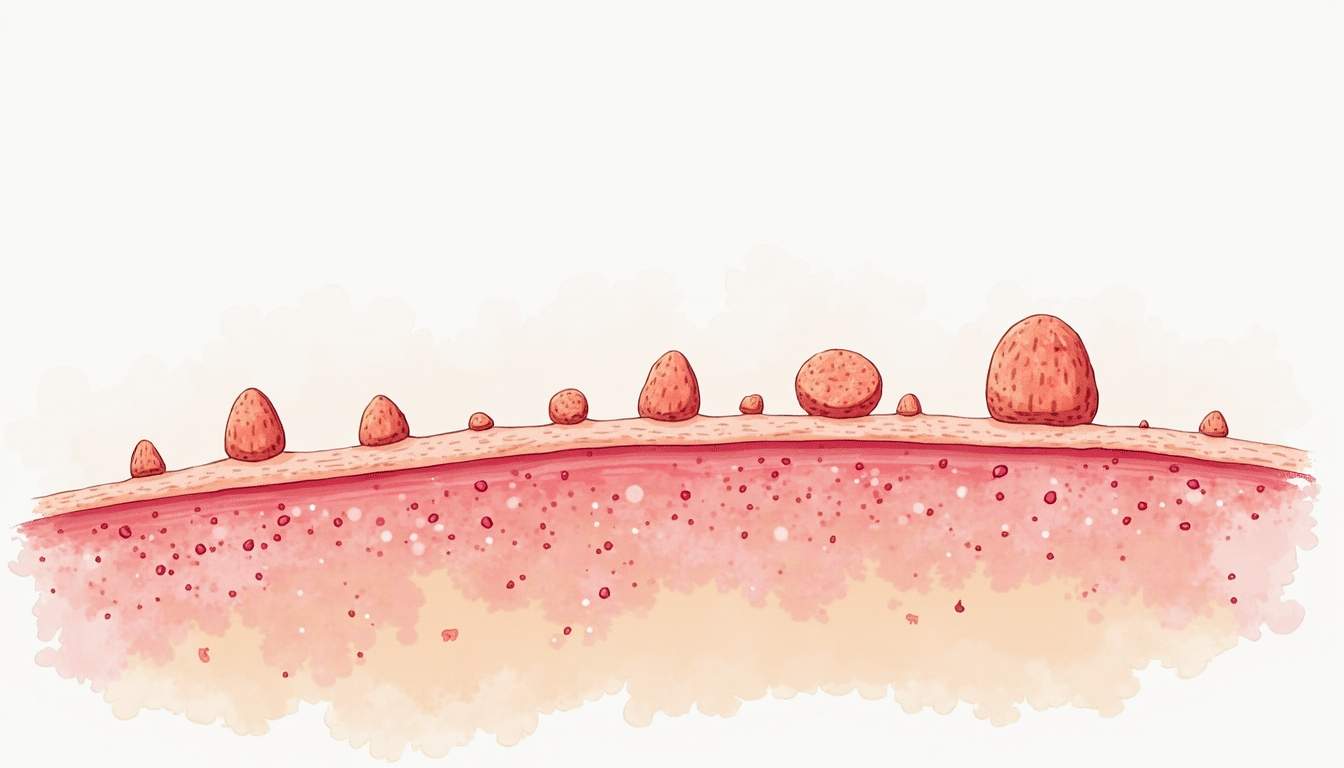
Skin Conditions
A small, benign skin growth (acrochordon) made of loose collagen and blood vessels that typically appears in areas of friction such as the neck, armpits, eyelids, and groin.
Skin Conditions
Learn More →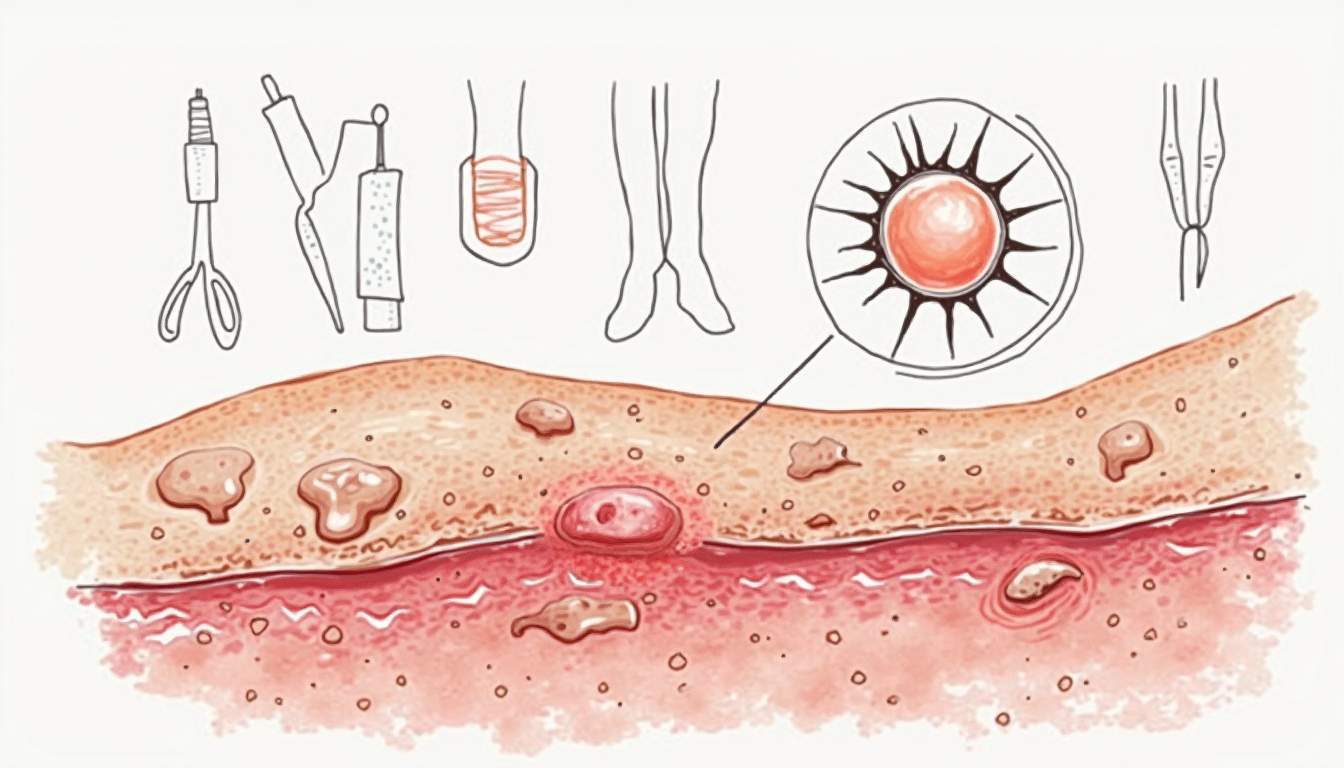
Skin Conditions
A viral infection caused by reactivation of the varicella‑zoster virus that produces a painful, blistering rash in a dermatomal distribution.
Skin Conditions
Learn More →
Skin Conditions
The microscopic and clinicopathologic study of skin diseases used to diagnose and guide treatment.
Skin Conditions
Learn More →
Treatments
A basic overview of structured routines and practices—cleansing, moisturizing, sun protection, and targeted treatments—designed to maintain skin health and address individual concerns.
Treatments
Learn More →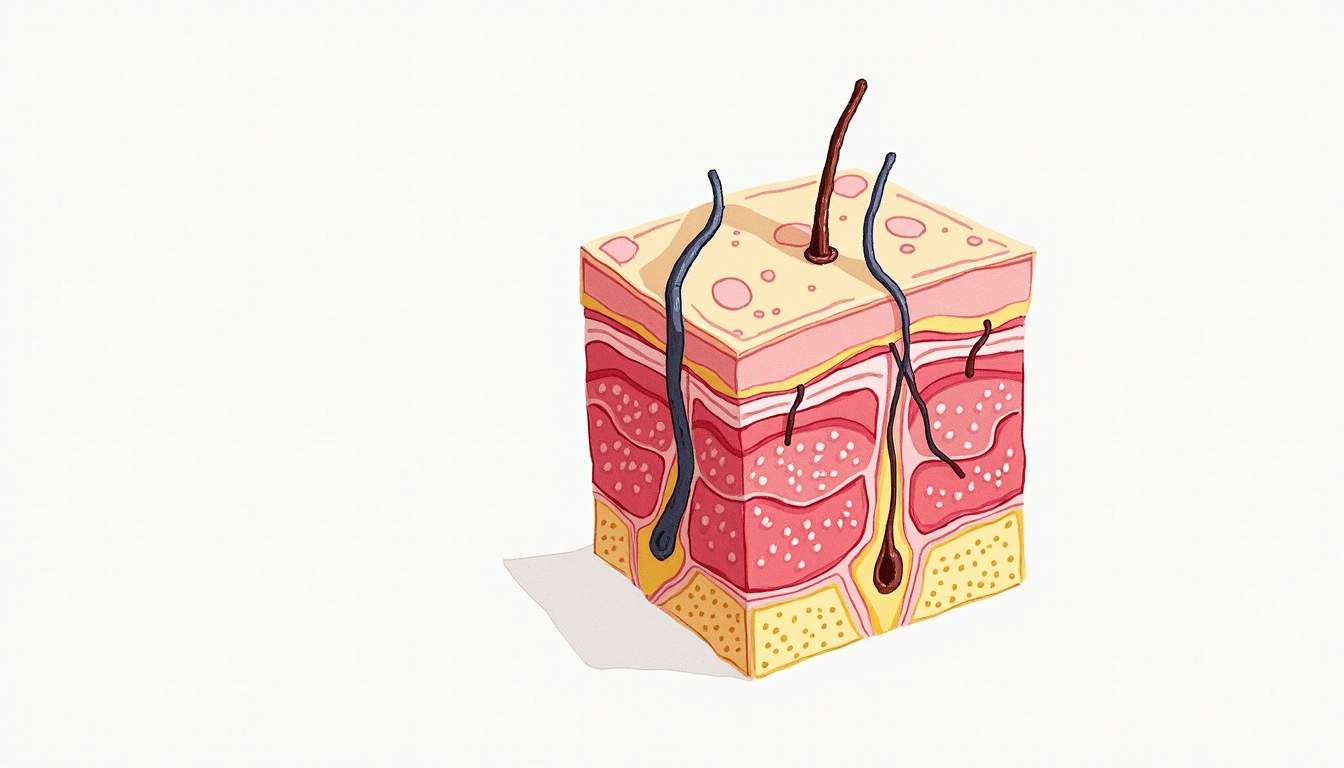
Autoimmune Conditions
A immune-mediated process in which a transplant recipient's immune system recognizes and attacks donor tissue or organs, causing graft dysfunction or failure.
Autoimmune Conditions
Learn More →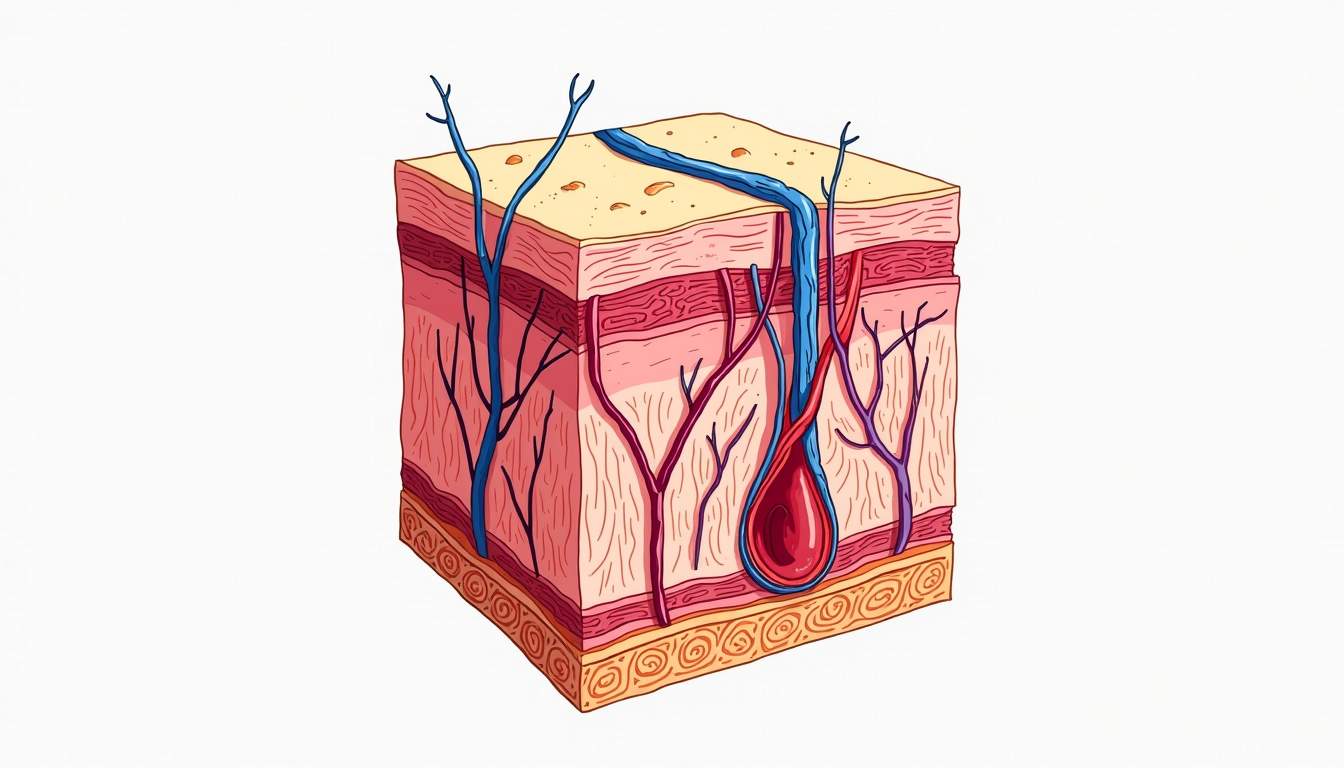
Skin Conditions
The arrangement and visibility of blood vessels in the skin, reflecting local circulation, vessel density, and influences such as temperature, exercise, aging, and medical conditions.
Skin Conditions
Learn More →
A minimally invasive cosmetic procedure (often called microneedling) that creates controlled skin injury to stimulate collagen and elastin production, improving skin texture, scars, and signs of aging.
Procedures
Learn More →
Skin Conditions
The nail bed is the skin beneath the fingernail or toenail that supports the nail plate, supplies nutrients, and contributes to nail growth and health.
Skin Conditions
Learn More →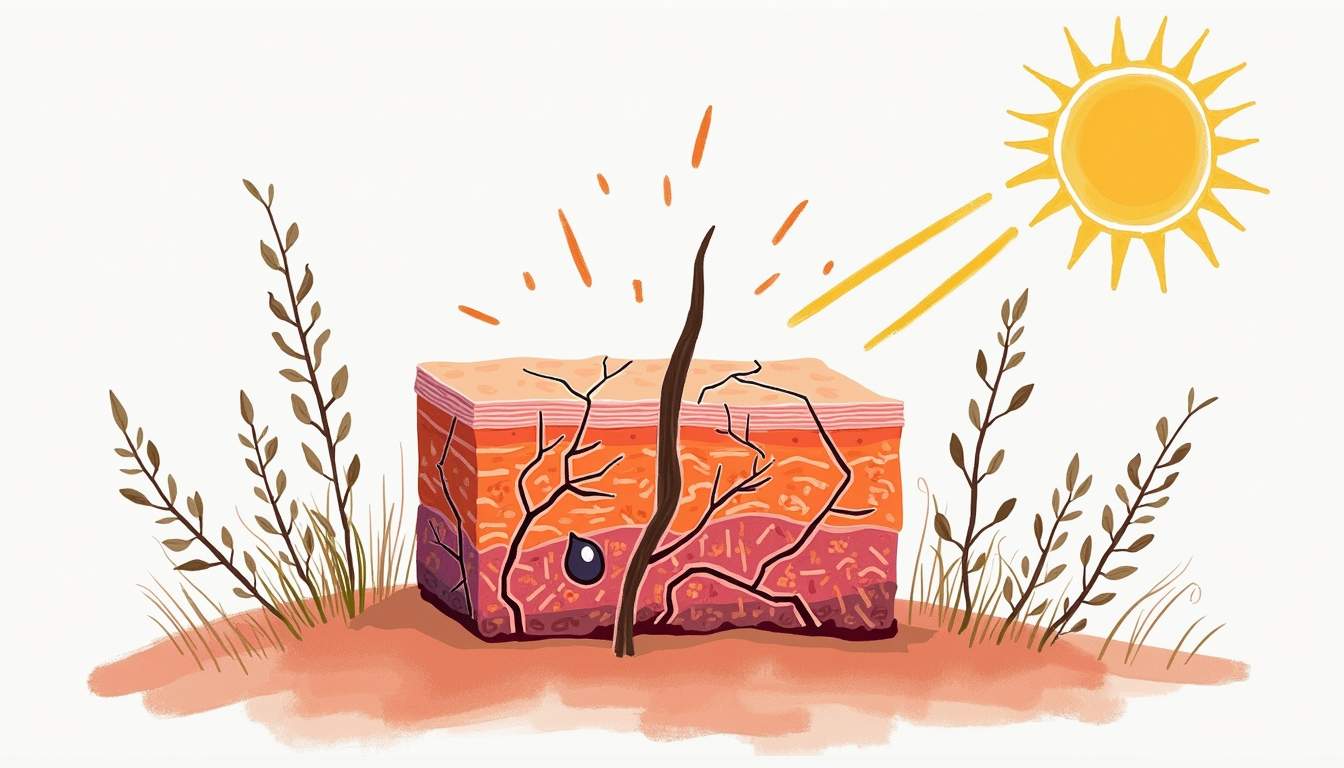
Skin Conditions
Abnormally dry skin characterized by roughness, scaling, and sometimes itching or cracking.
Skin Conditions
Learn More →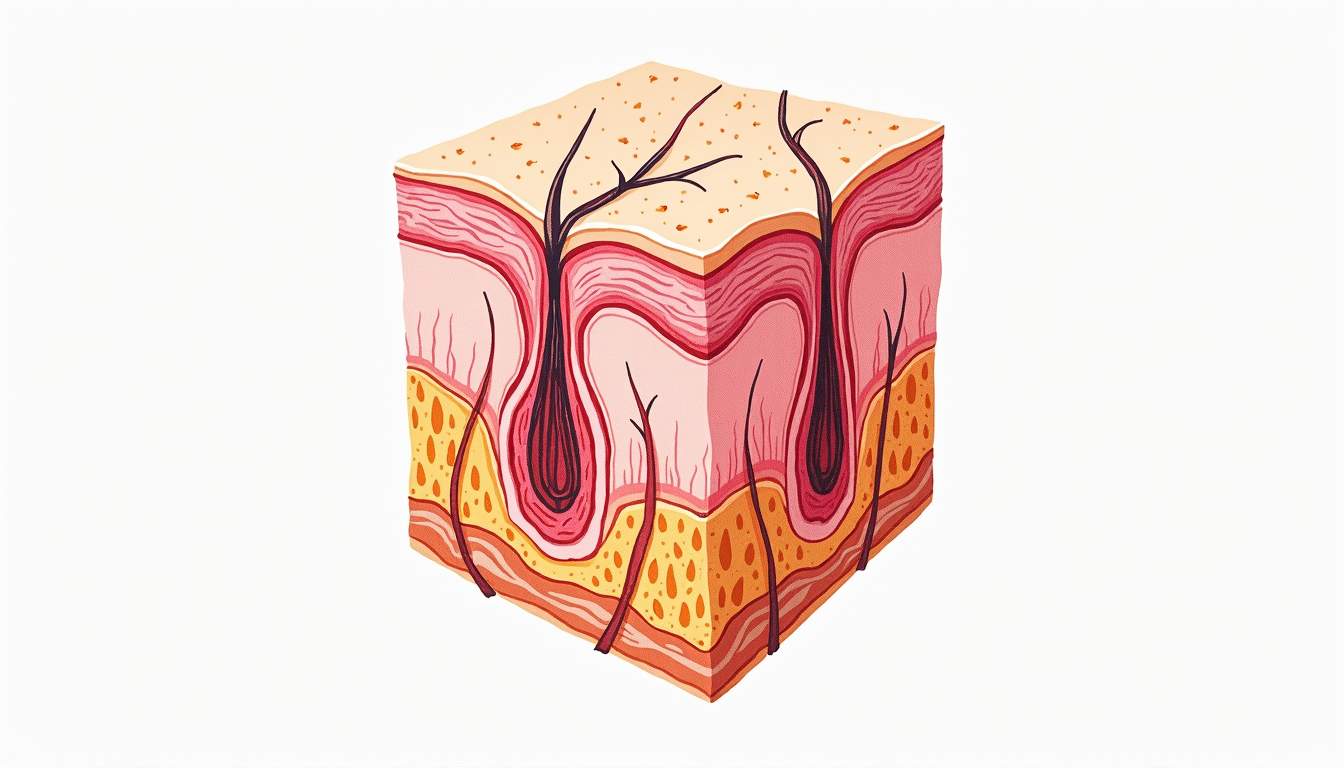
Skin Conditions
The blockage of hair follicles by keratin, sebum, and debris that can lead to inflammation and various follicular disorders.
Skin Conditions
Learn More →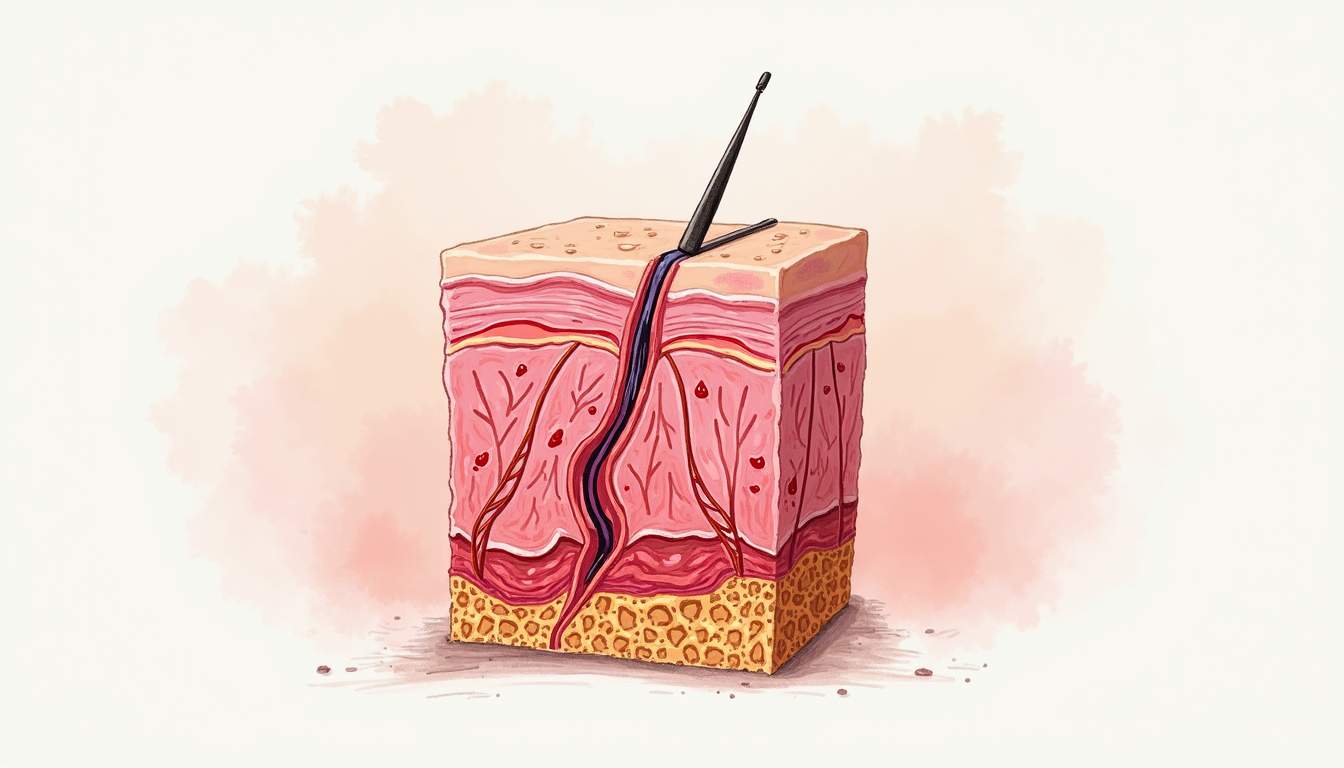
Skin Conditions
A chronic inflammatory skin condition characterized by persistent facial redness, flushing, visible blood vessels, and sometimes pimples and eye irritation.
Skin Conditions
Learn More →
Skin Conditions
The natural, progressive changes in skin structure and function over time characterized by thinning, loss of elasticity, wrinkles, dryness, and altered pigmentation.
Skin Conditions
Learn More →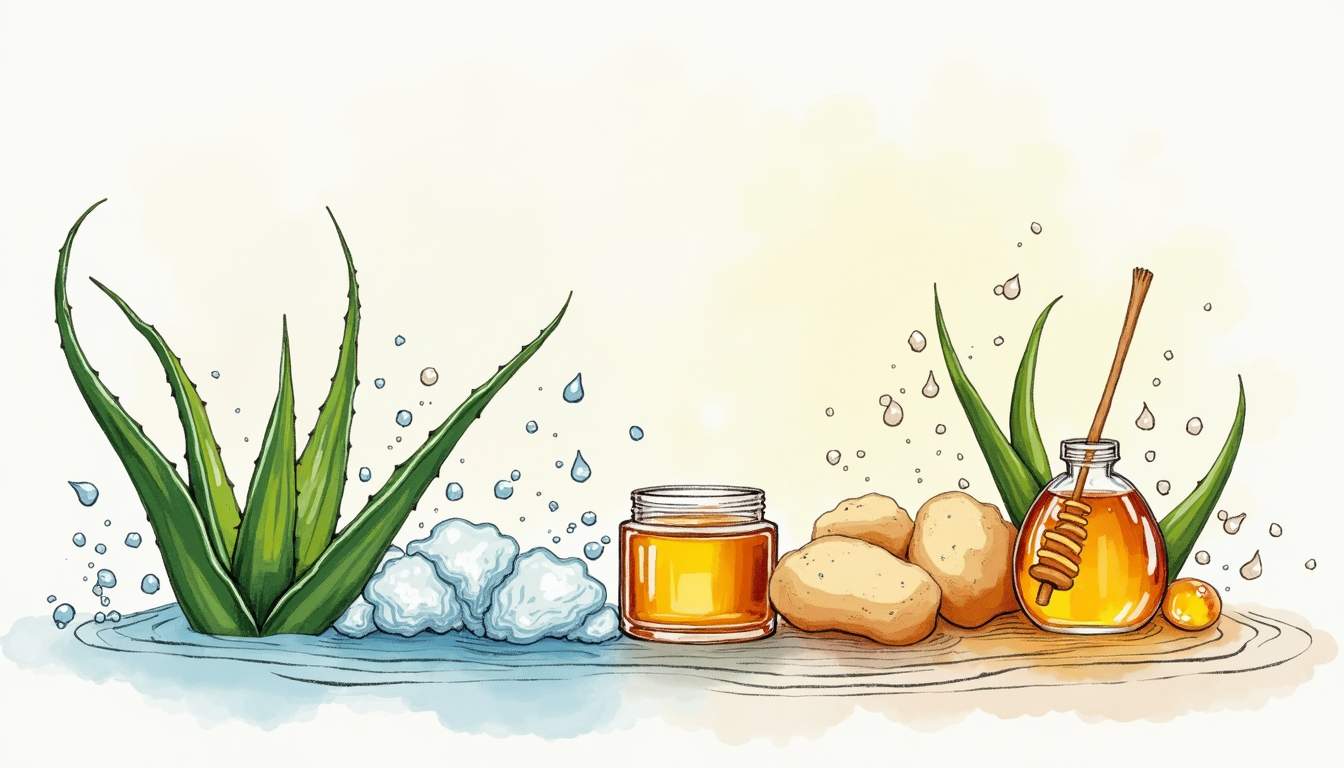
Treatments
Humectants are substances that attract and retain moisture from the environment or deeper skin layers to hydrate and preserve products and tissues.
Treatments
Learn More →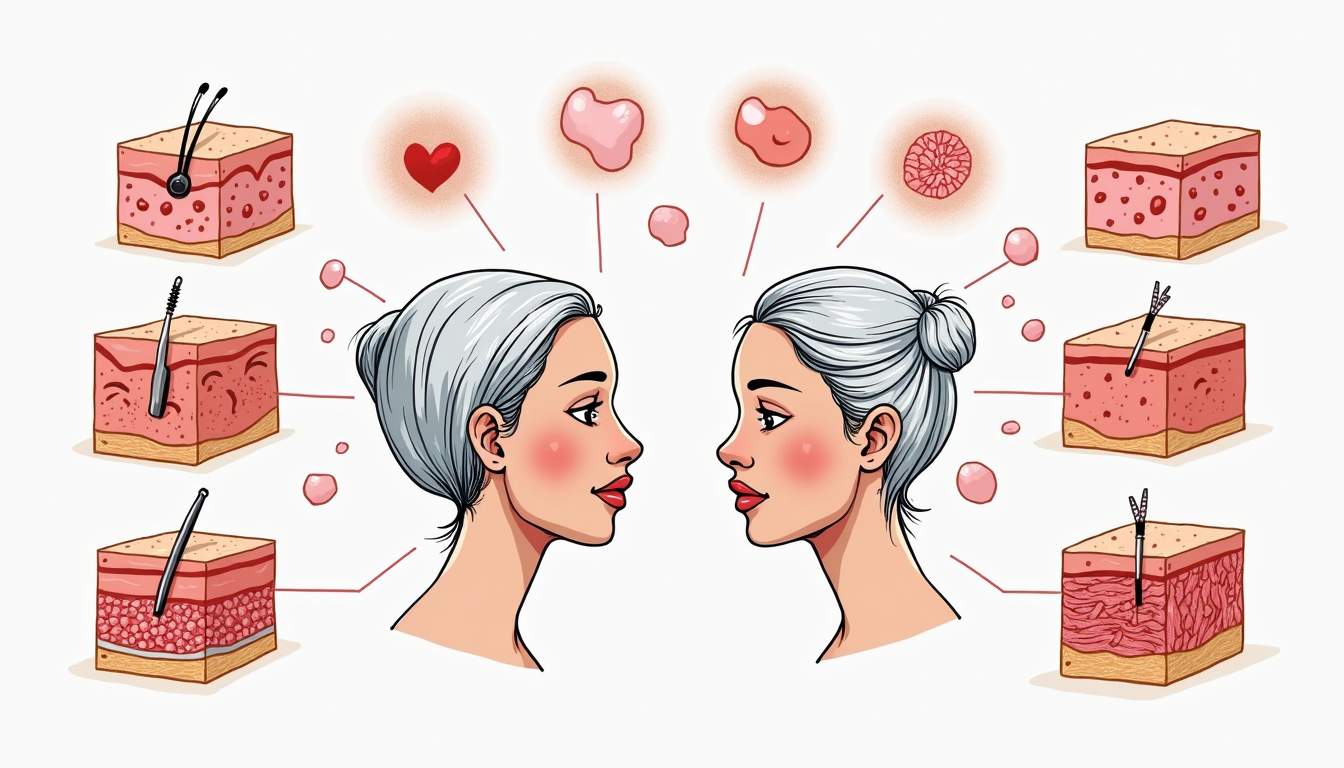
Procedures
A noninvasive diagnostic technique using a handheld magnifier and light to examine skin lesions and structures for improved detection and evaluation of benign and malignant conditions.
Procedures
Learn More →
Skin Conditions
Small openings on the skin surface connected to hair follicles and sebaceous glands that allow sweat and oil to reach the surface and help regulate temperature and skin hydration.
Skin Conditions
Learn More →
Skin Conditions
Skin folds are natural creases or overlapping areas of skin—such as the neck, underarms, groin, and beneath the breasts or abdomen—that create warm, moist environments prone to friction, irritation, and certain skin conditions.
Skin Conditions
Learn More →
Skin Conditions
A rare inherited disorder caused by defective DNA repair of ultraviolet-induced damage, resulting in extreme sensitivity to sunlight and a markedly increased risk of skin cancers.
Skin Conditions
Learn More →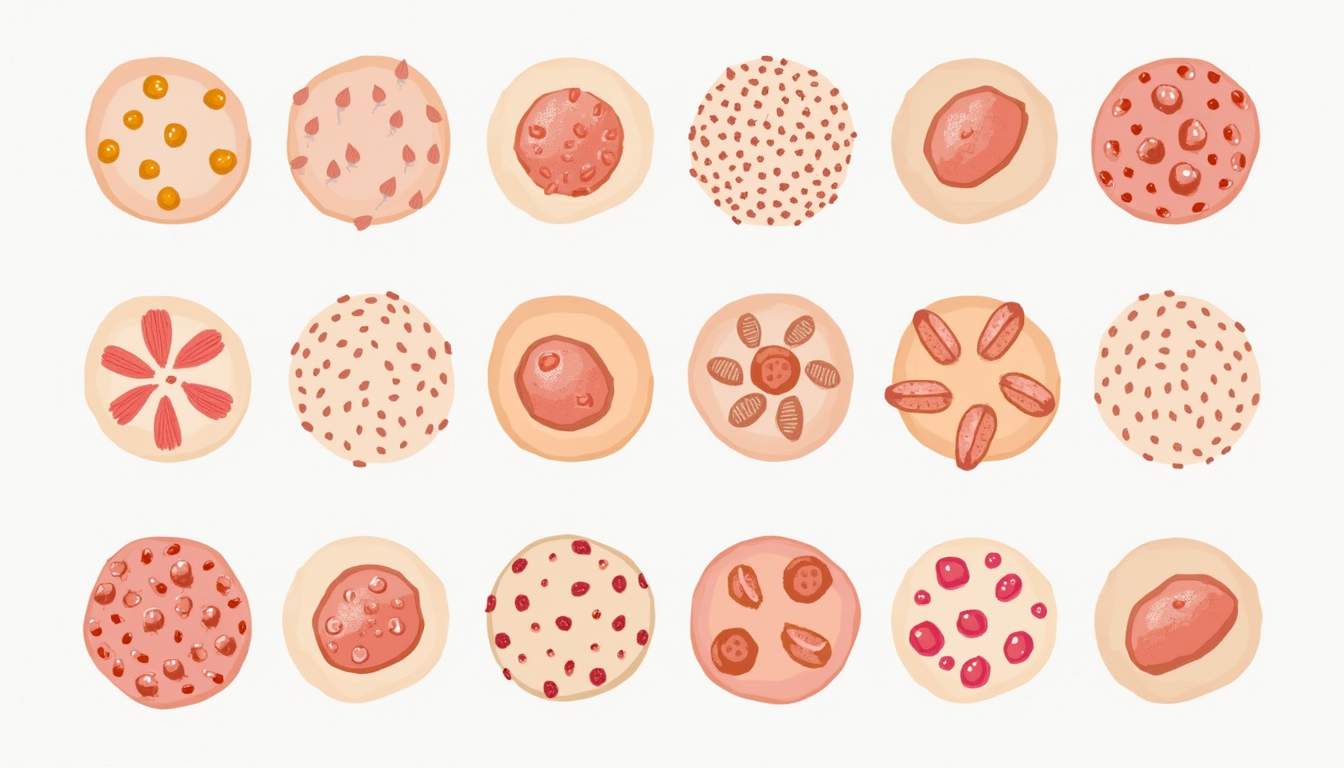
Skin Conditions
A skin condition characterized by the formation of rough, scaly patches or bumps due to excess production of keratin.
Skin Conditions
Learn More →
Skin Conditions
A summary of the primary categories of human skin—normal, dry, oily, combination, and sensitive—describing their typical characteristics, common concerns, and basic care considerations.
Skin Conditions
Learn More →
Skin Conditions
The skin barrier is the outermost protective layer of the skin—primarily the stratum corneum and its lipid matrix—that prevents water loss and shields against pathogens, irritants, and environmental damage.
Skin Conditions
Learn More →
Skin Conditions
Melanocytes are specialized skin cells that produce the pigment melanin, which determines skin, hair, and eye color and helps protect tissues from ultraviolet radiation.
Skin Conditions
Learn More →
Skin Conditions
A common, chronic skin condition characterized by brown or gray-brown patches—typically on the cheeks, forehead, nose, and upper lip—caused by increased pigment production often triggered by sun exposure, hormonal changes, and pregnancy.
Skin Conditions
Learn More →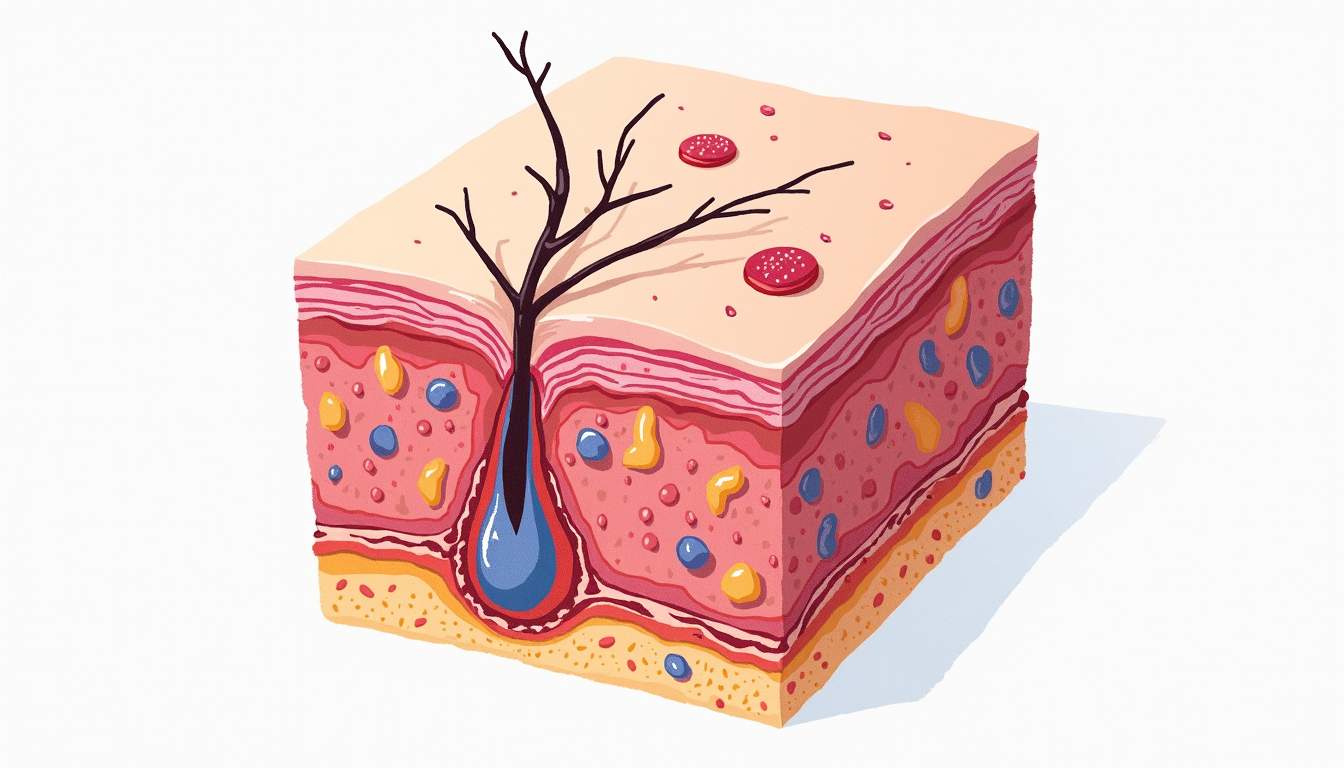
Autoimmune Conditions
A granuloma is a localized nodular inflammatory lesion formed by a collection of activated macrophages (often epithelioid cells and multinucleated giant cells) and lymphocytes that develops as a chronic immune response to persistent infection, foreign material, or immune-mediated stimuli.
Autoimmune Conditions
Learn More →
Treatments
An overview of electronic and manual tools designed to cleanse, treat, and enhance the health and appearance of the skin.
Treatments
Learn More →
Autoimmune Conditions
An inflammatory condition involving the blood vessel walls that can cause narrowing, blockage, or aneurysm and lead to tissue damage.
Autoimmune Conditions
Learn More →
Treatments
Compounds used in topical or cosmetic formulations to even skin tone, reduce hyperpigmentation, and improve texture by modulating melanin production, cell turnover, or vascular and structural components.
Treatments
Learn More →
An overview of skin treatments that improve appearance or treat dermatologic conditions without surgical incision or significant tissue penetration, including topical therapies, laser and light-based procedures, cryotherapy, and microdermabrasion.
Procedures
Learn More →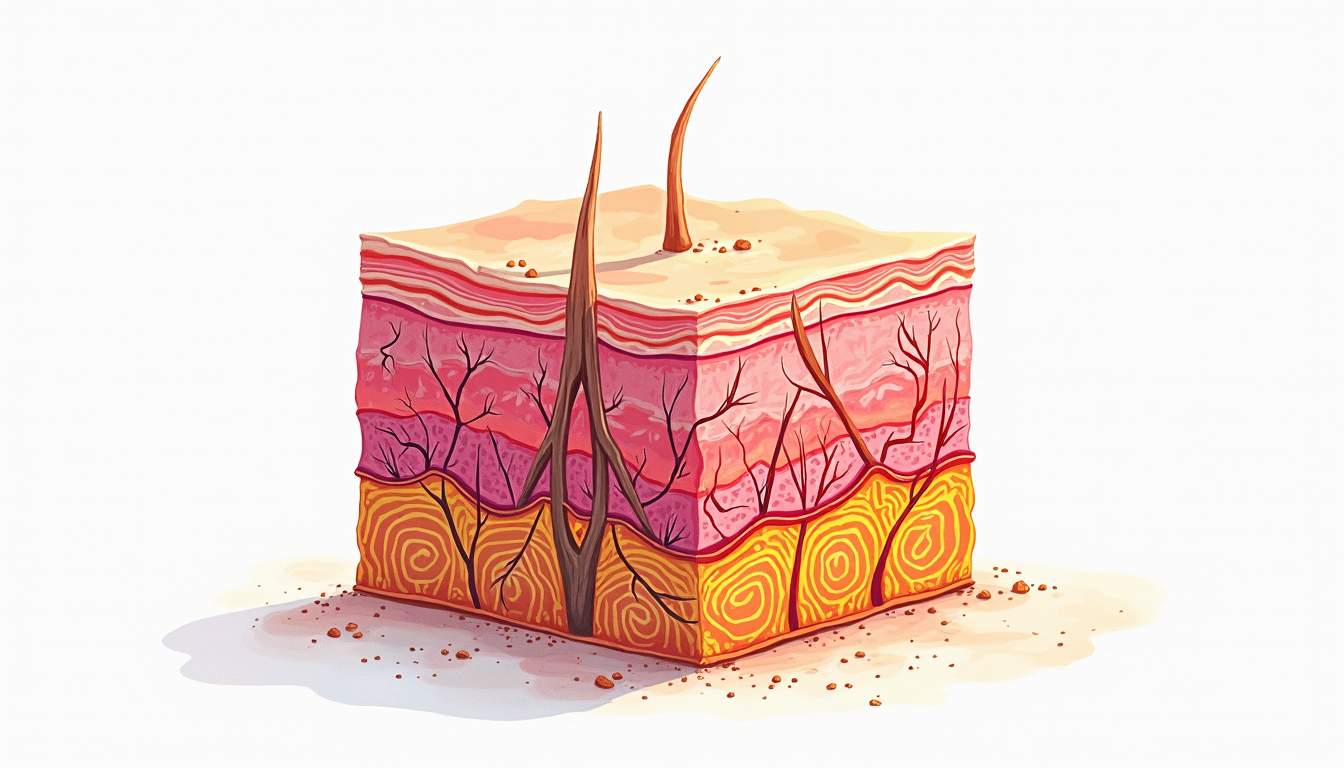
Treatments
Skin regeneration is the process by which the skin repairs and replaces damaged or lost tissue through coordinated cellular renewal, wound healing, and remodeling mechanisms.
Treatments
Learn More →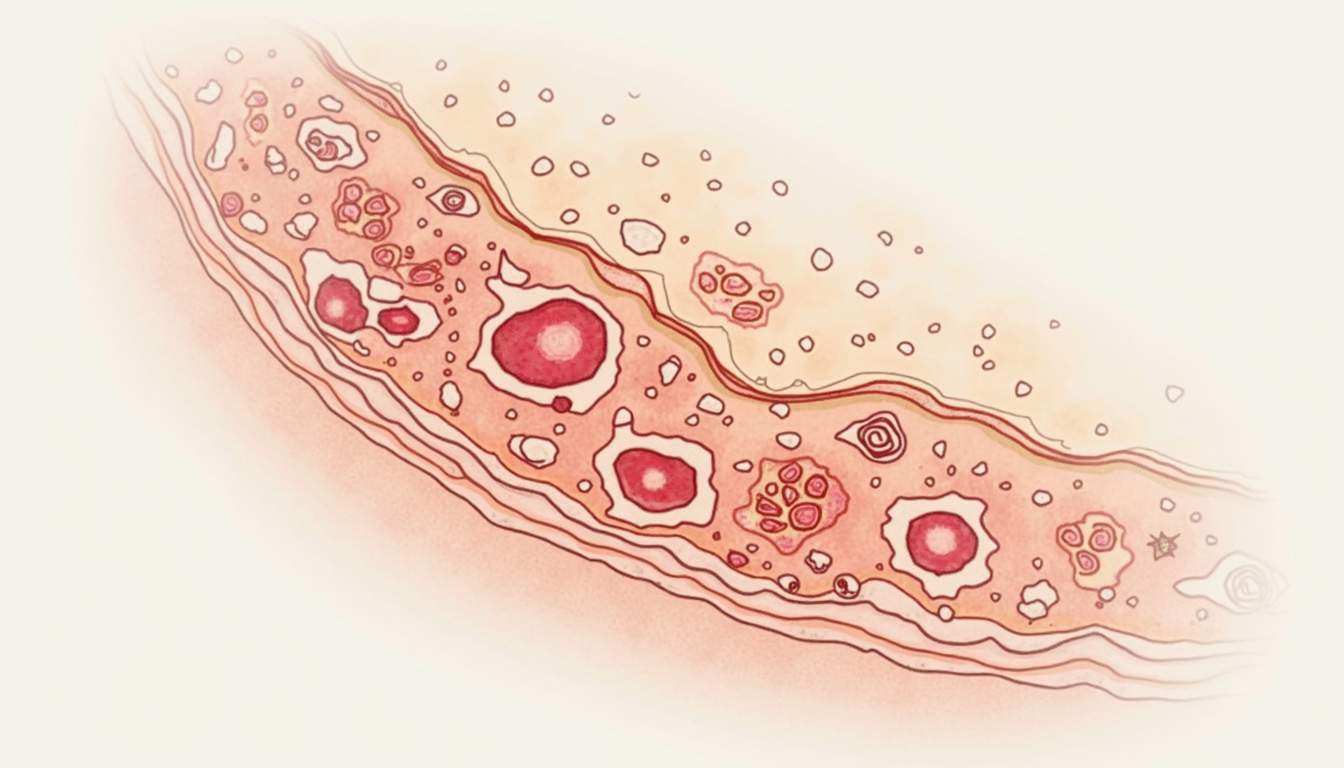
Skin Conditions
A chronic skin condition marked by localized thickened, scaly, and often hyperpigmented patches caused by repetitive scratching or rubbing that leads to intense itching.
Skin Conditions
Learn More →
Procedures
A minor medical procedure in which a small sample of skin is removed and examined to diagnose or evaluate skin diseases, infections, or cancers.
Procedures
Learn More →
Procedures
A set of cosmetic procedures that remove or remodel the skin’s surface layers to improve texture, tone, and reduce scars, wrinkles, and pigmentation.
Procedures
Learn More →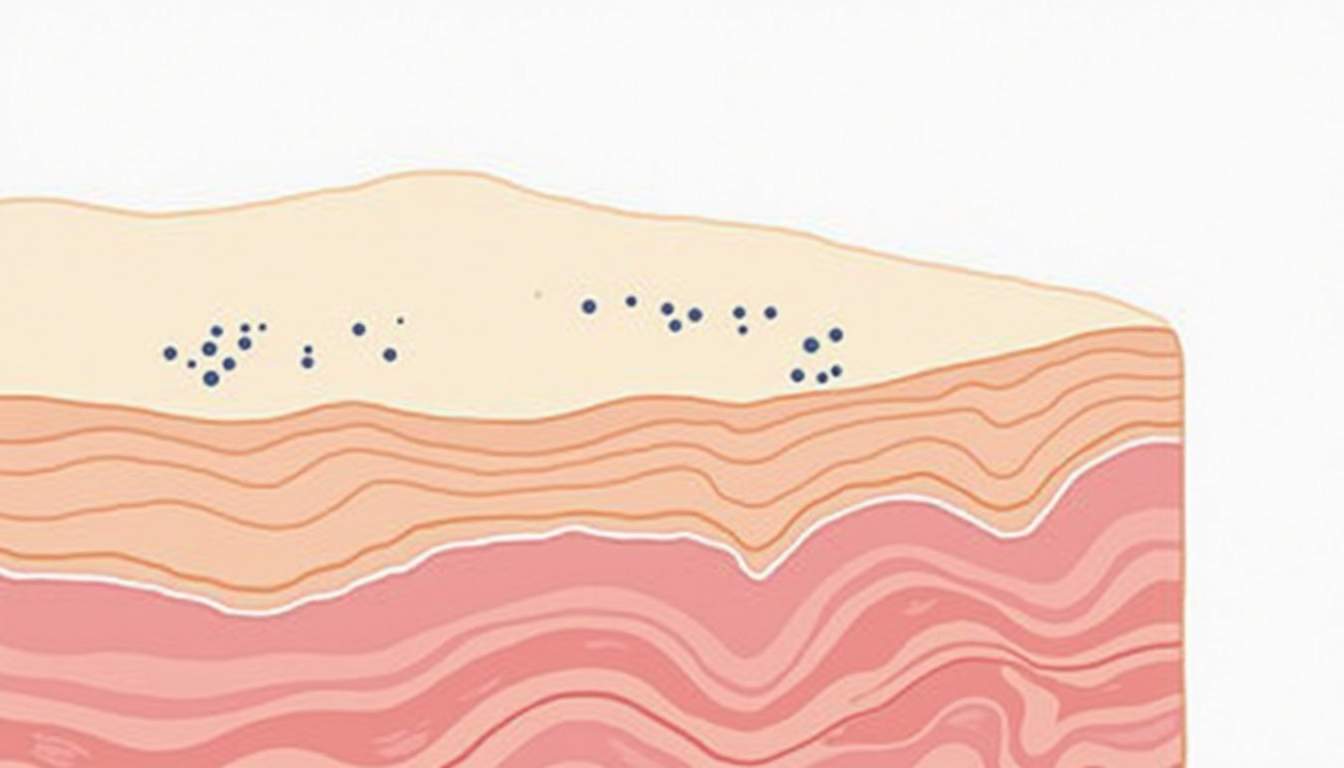
Skin Conditions
Tiny, firm, white or yellowish keratin-filled cysts that form just under the skin when dead skin cells become trapped.
Skin Conditions
Learn More →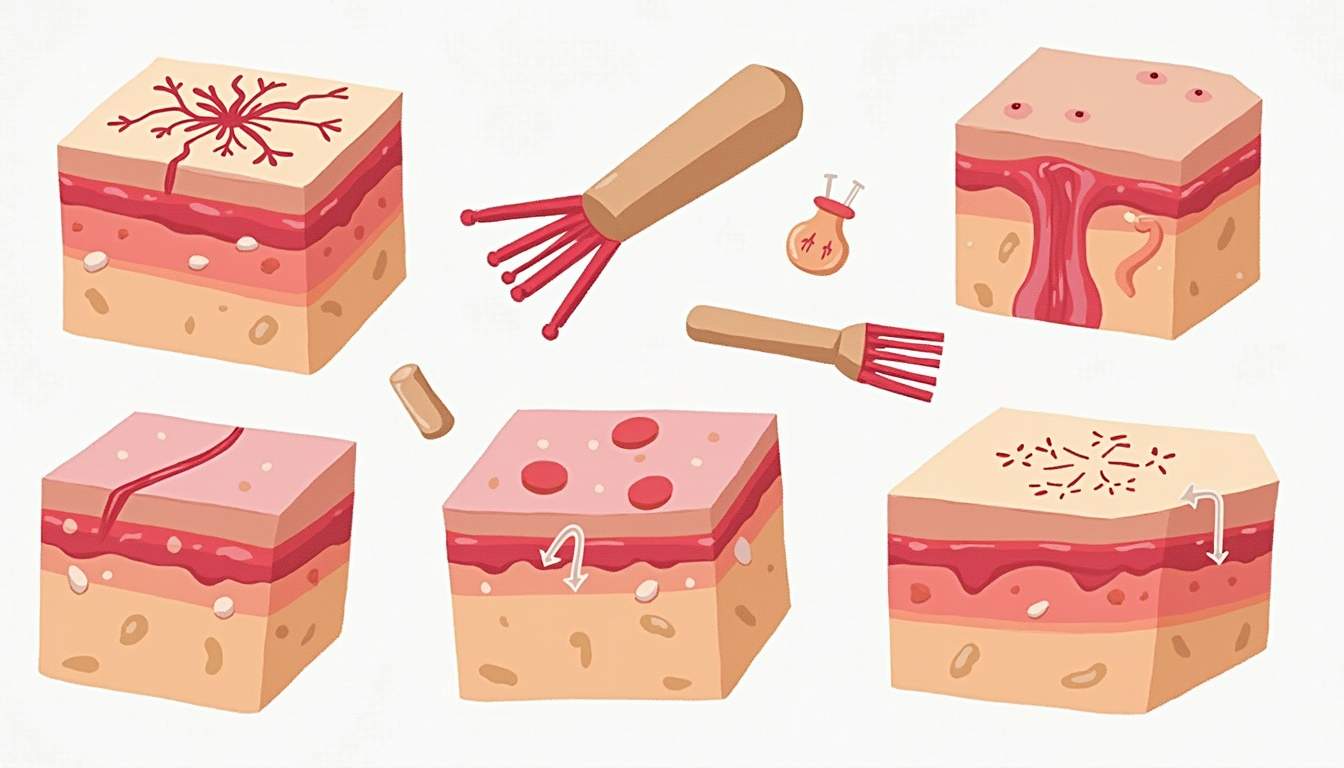
Skin Conditions
Redness of the skin caused by increased blood flow in superficial capillaries, often resulting from inflammation, infection, irritation, or allergic reactions.
Skin Conditions
Learn More →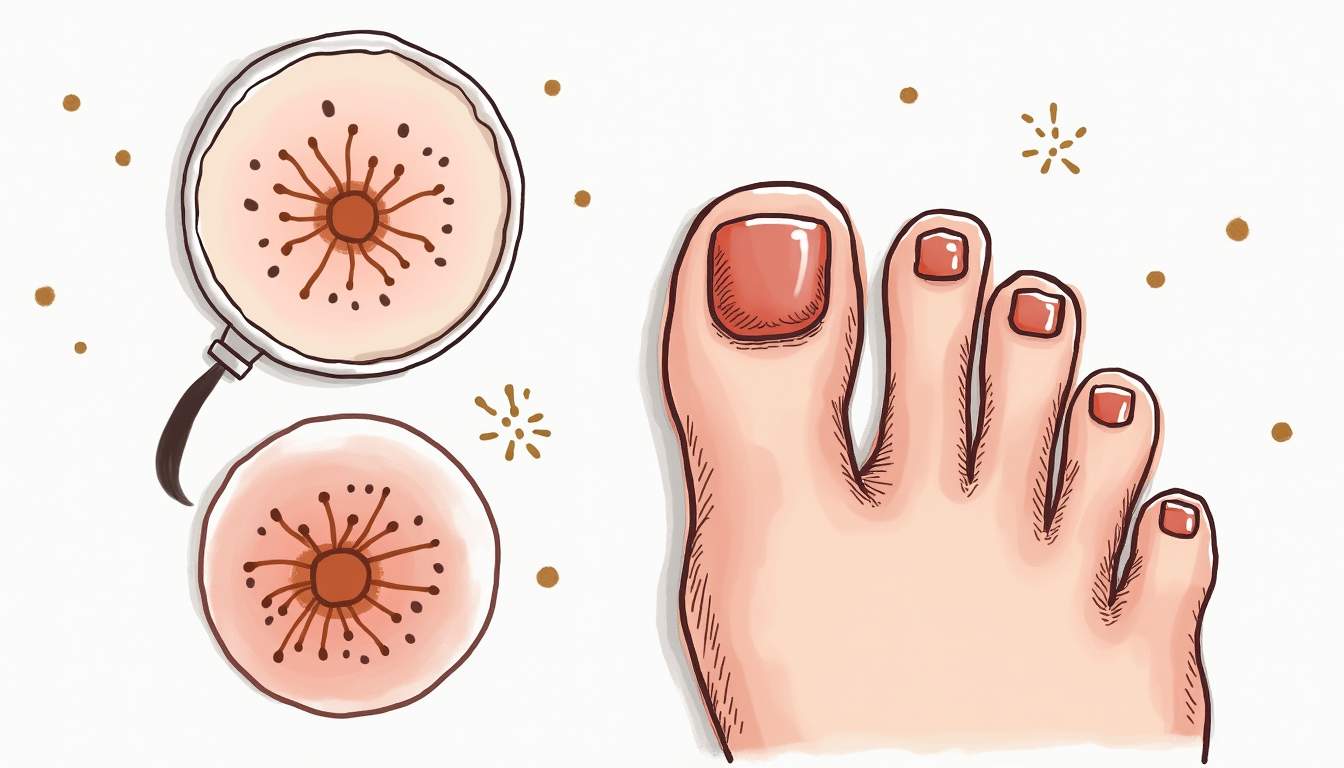
Skin Conditions
A fungal infection of the fingernails or toenails that causes discoloration, thickening, crumbling, and separation from the nail bed.
Skin Conditions
Learn More →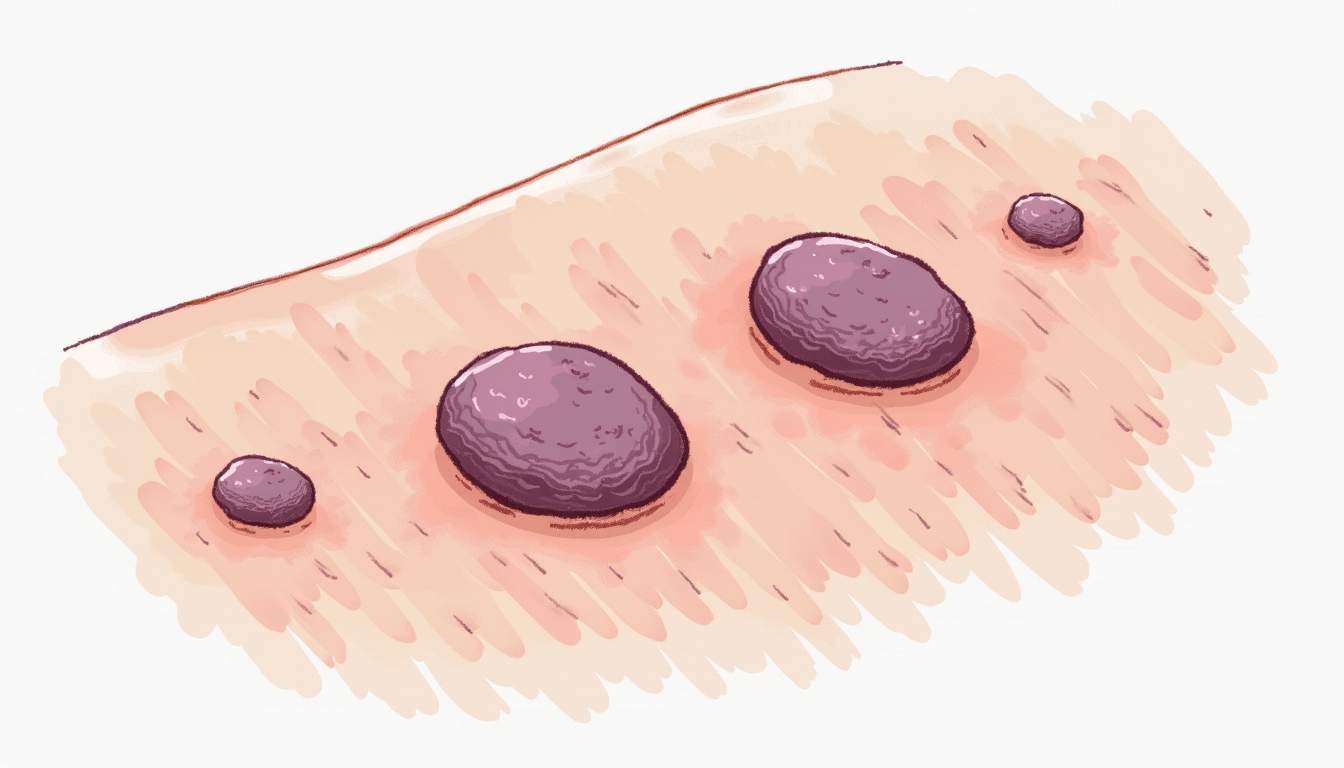
Autoimmune Conditions
An inflammatory autoimmune disorder of the skin and mucous membranes characterized by intensely itchy, purple, flat-topped papules and lacy white oral lesions.
Autoimmune Conditions
Learn More →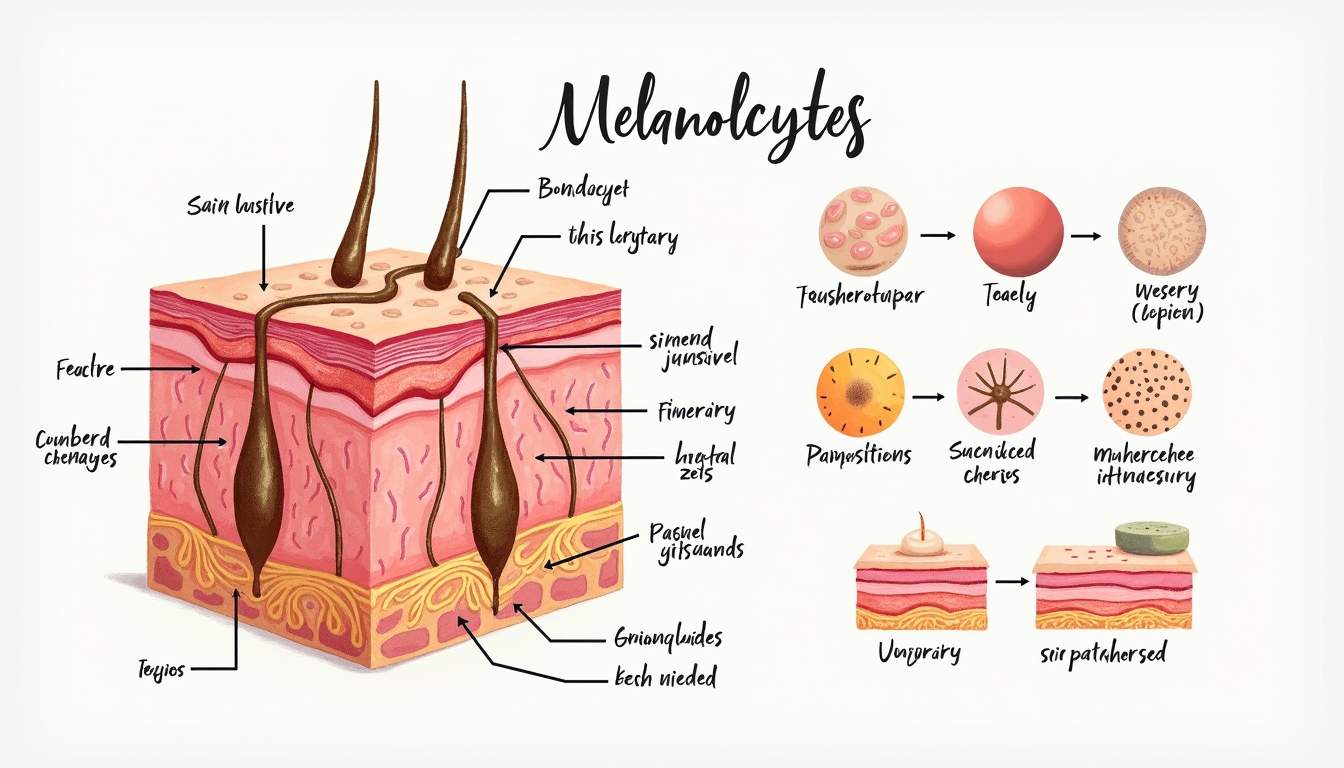
Skin Conditions
Melanocyte-stimulating hormone (MSH) is a peptide hormone produced by the pituitary that stimulates melanin production in melanocytes to regulate pigmentation and also influences appetite and energy balance.
Skin Conditions
Learn More →
Treatments
Medications or formulations applied directly to the skin or mucous membranes to treat local conditions, relieve symptoms, or deliver active ingredients with minimal systemic effects.
Treatments
Learn More →
Treatments
A topical vitamin A–derived retinoid used to treat acne and sun-damaged skin by increasing cell turnover and promoting collagen production.
Treatments
Learn More →
Procedures
A skincare technique that uses chemical agents (such as alpha- or beta-hydroxy acids) to dissolve dead skin cells, promote cell turnover, and improve skin texture and tone.
Procedures
Learn More →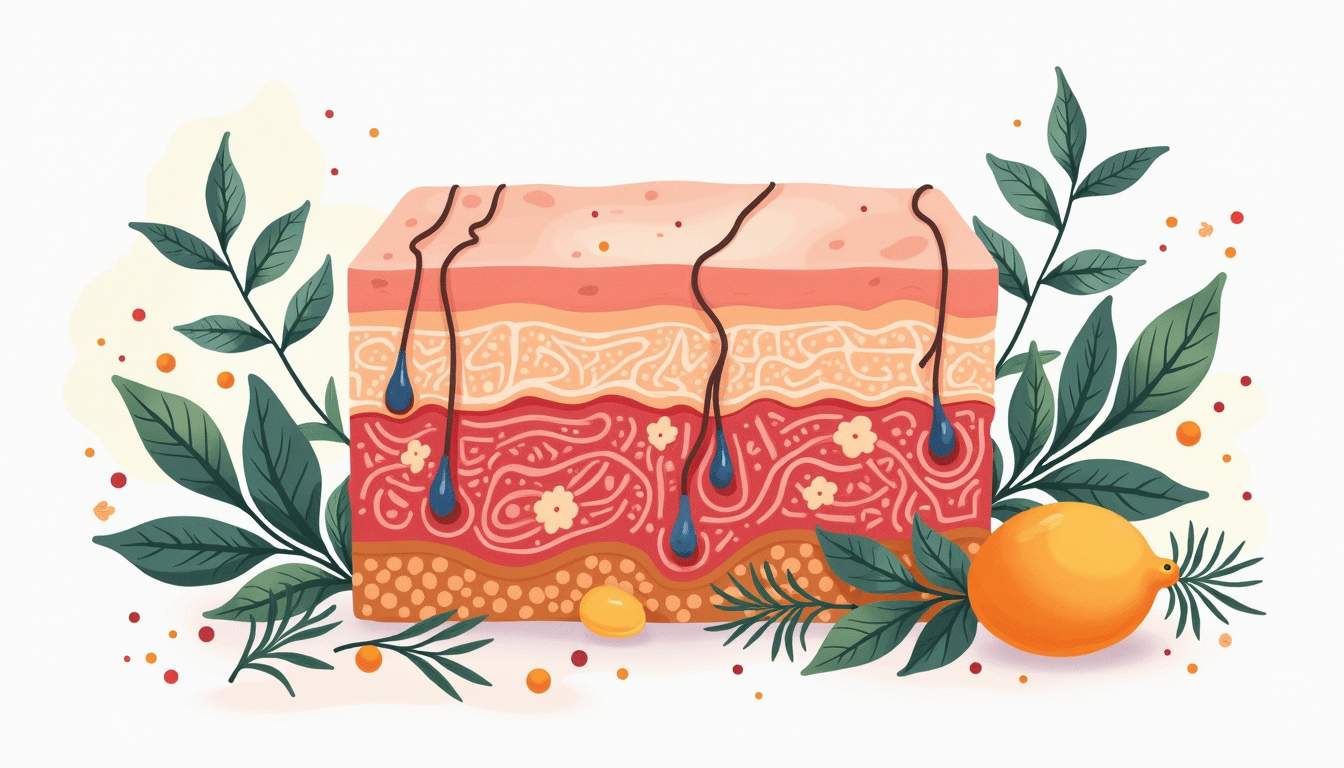
Skin Conditions
A common hyperpigmentation condition that causes brown or gray-brown patches on the face, often triggered by hormonal changes, pregnancy, and sun exposure.
Skin Conditions
Learn More →
Treatments
A medical treatment that uses a light-activated photosensitizing drug to produce reactive oxygen species that selectively destroy abnormal cells, microbes, or tissues.
Treatments
Learn More →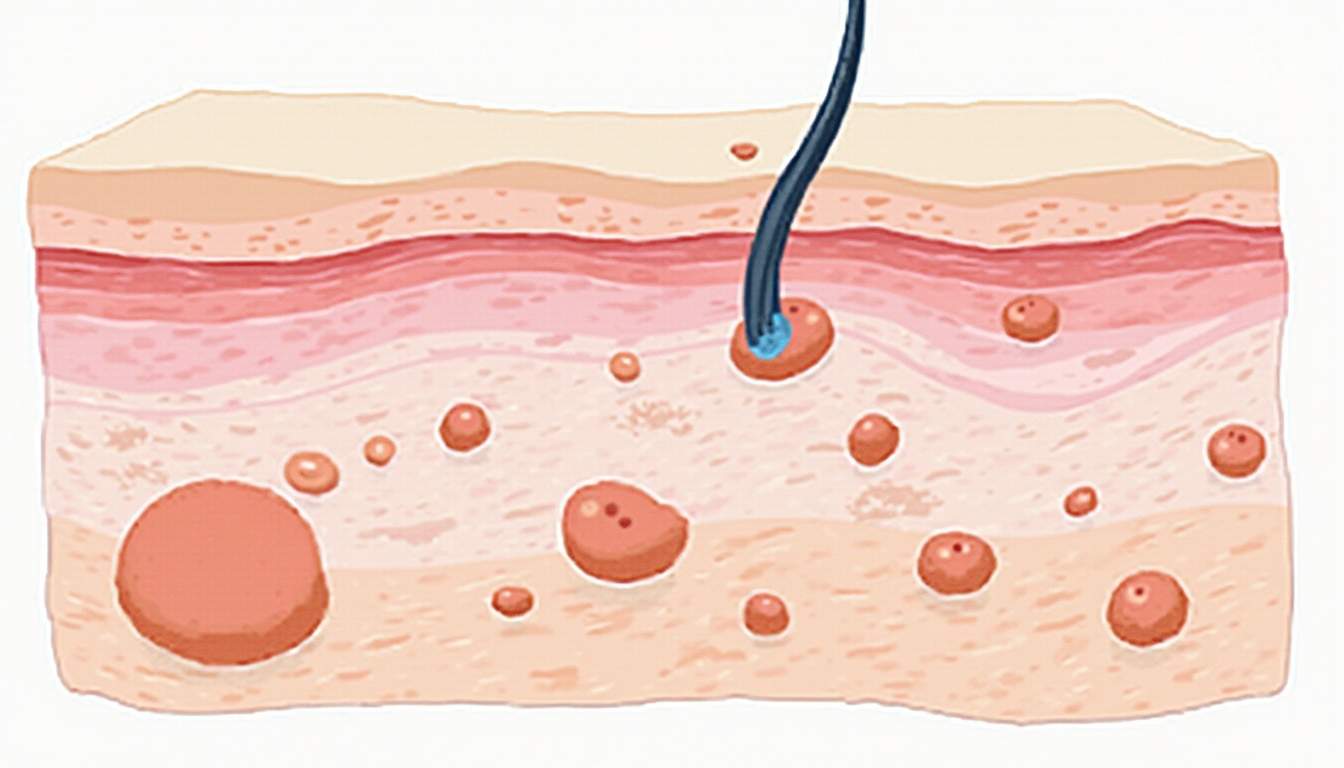
Skin Conditions
Abnormal changes in the skin’s color, texture, or integrity—such as bumps, sores, patches, or rashes—caused by injury, infection, inflammation, or underlying disease.
Skin Conditions
Learn More →
Autoimmune Conditions
A chronic autoimmune skin disorder characterized by the loss of melanocytes, leading to progressive, well-defined white patches of depigmentation.
Autoimmune Conditions
Learn More →
Medications used in dermatology to prevent or treat skin infections by killing or inhibiting bacteria, fungi, viruses, or parasites, chosen according to pathogen, formulation, and safety.
Treatments
Learn More →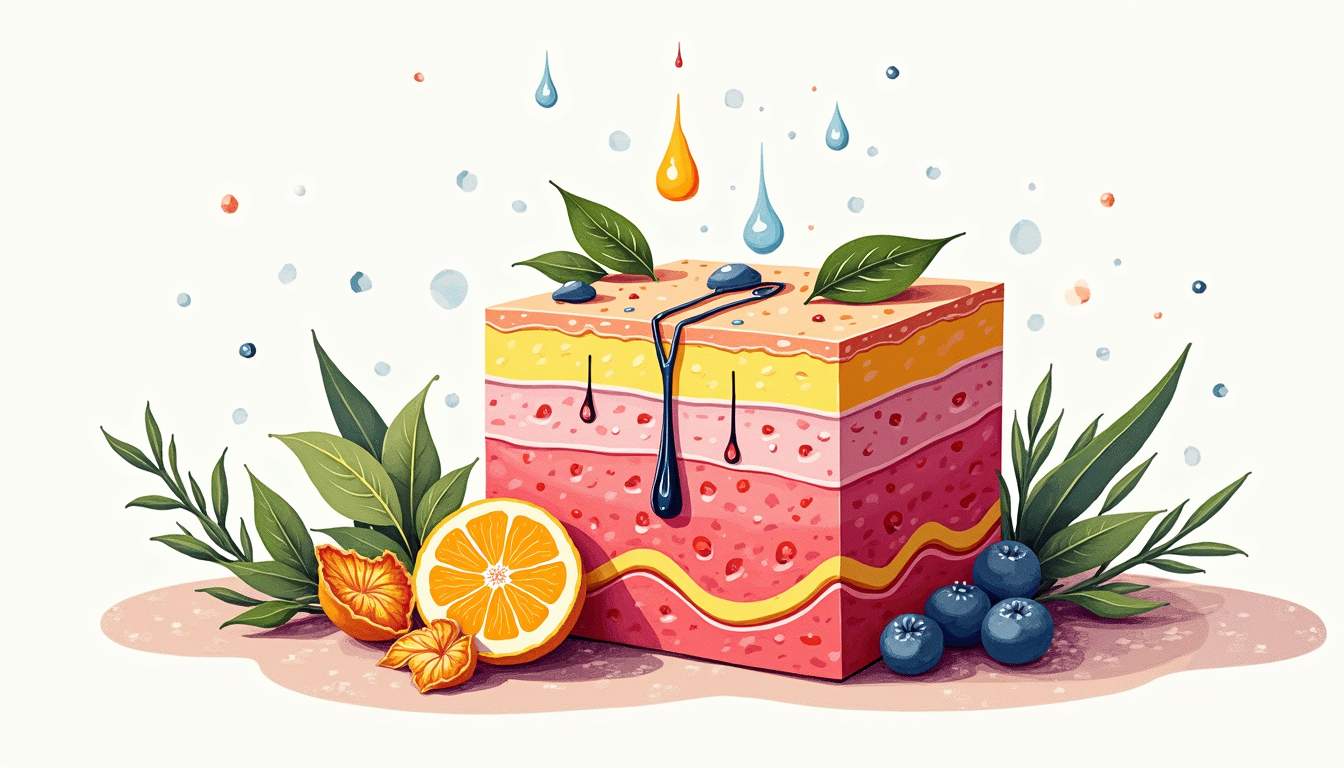
Skin Conditions
The branch of medicine concerned with the diagnosis, treatment, and prevention of disorders of the skin, hair, nails, and mucous membranes.
Skin Conditions
Learn More →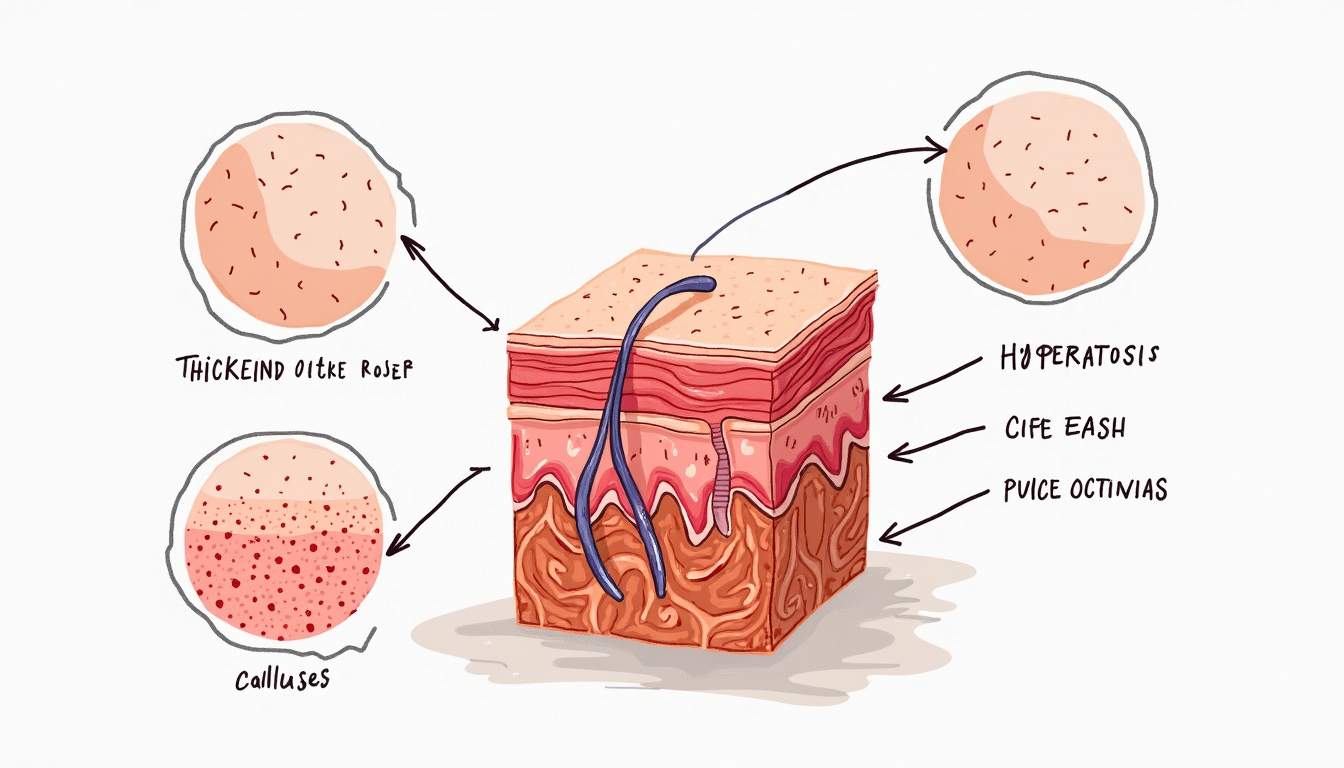
Skin Conditions
An abnormal thickening of the stratum corneum (outer skin layer) caused by excess keratin production, often resulting in rough, scaly or calloused patches.
Skin Conditions
Learn More →
A naturally occurring protein that binds to cell surface receptors to stimulate cell growth, proliferation, and wound healing in skin and other tissues.
Treatments
Learn More →Need Help Understanding Your Skin?
Our AI analysis tool can help you understand your skin condition and connect you with professional care.